Countering Hate Against Israel by Federal Contractors Act
Summary
What This Bill Does
The Countering Hate Against Israel by Federal Contractors Act applies an anti-boycott condition to federal contracts over 100,000 dollars. After January 1, 2026, a federal agency head may not enter a covered contract unless the company certifies at award that it is not engaging in a boycott of Israel, and each covered contract must prohibit such a boycott during the contract term. Solicitations must include written notice of the prohibition. If an agency head determines through a public report or notice from Congress that a company violated the contract prohibition, the agency must notify the company and publish notice on the agency website within 30 days. Thirty days after company notice, the agency must terminate the covered contract unless the company ends the boycott to the agency head's satisfaction. Contract Disputes Act appeals apply. The bill defines company to include business entities with more than 10 employees and affiliates, defines covered contract as more than 100,000 dollars, defines boycott of Israel by refusal-to-deal or business-termination actions tied to boycott calls, discriminatory grounds, or lack of valid business reason, and says nothing infringes First Amendment rights or takes a position on final Israeli-Palestinian status issues.
Who Benefits and How
Israel-linked businesses benefit because federal contractors must certify they are not limiting commercial relations with Israel or qualifying Israel-related persons. Federal contractors that do not boycott Israel benefit from clearer eligibility for covered contracts after January 1, 2026. Federal agency procurement officials benefit from a statutory certification and cure process for boycott-related contract violations. Congressional oversight staff benefit because public reports or congressional notices can trigger agency determinations.
Who Bears the Burden and How
Companies with more than 10 employees that boycott Israel can lose access to covered federal contracts over 100,000 dollars. Federal agencies must add solicitation notices, collect certifications, make determinations, post violation notices, and terminate uncured contracts. Contracting officers must evaluate whether a boycott action lacks a valid business reason or discriminates based on nationality, national origin, or religion. Companies accused of violations may need to use chapter 71 contract appeals to contest agency actions.
Key Provisions
- Bars covered federal contracts with companies that do not certify they are not boycotting Israel after January 1, 2026.
- Requires covered contracts to prohibit boycotts of Israel during the contract term.
- Directs agencies to publish violation notices and terminate contracts after a 30-day cure window.
- Applies Contract Disputes Act appeals to affected contracts.
- Defines covered contracts, covered companies, and boycott conduct while preserving First Amendment and final-status caveats.
Evidence Chain:
This summary is generated from the full bill text using AI analysis. Expand "Detailed Analysis" below for identified beneficiaries/burden bearers with clause-level evidence links.
At a Glance
What This Bill Does
Prohibits federal agencies from entering covered contracts over 100,000 dollars with companies that boycott Israel, requires contract certifications and solicitation notices after January 1, 2026, and terminates non-cured violations after notice.
Key Policy Areas
Federal Procurement, Foreign Policy, Civil Rights
Primary Purpose
Prohibits federal agencies from entering covered contracts over 100,000 dollars with companies that boycott Israel, requires contract certifications and solicitation notices after January 1, 2026, and terminates non-cured violations after notice.
Policy Domains
Resolution provisions
Identified Gains
- Israel-linked businesses
- Federal contractors not boycotting Israel
- Federal agency procurement officials
- Congressional oversight staff
Identified Costs
- Companies boycotting Israel
- Federal agencies
- Contracting officers
- Companies accused of boycott violations
Sponsors
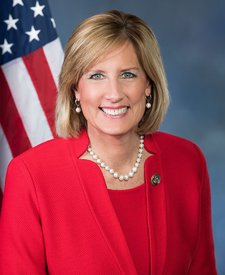
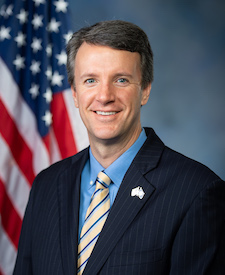
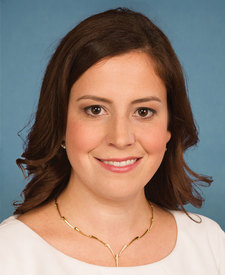
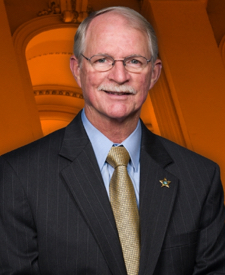

Legislative Progress
In CommitteeMs. Tenney (for herself, Ms. Stefanik, Mr. Steube, Mr. Lawler, …
Referred to the House Committee on Oversight and Government Reform.
Introduced in House
Stakeholder Effects
cui bono?How this legislation distributes effects. Mention counts reflect frequency, not effect magnitude.
Companies accused of boycott violations, Companies boycotting Israel, Federal contractors not boycotting Israel
Positive-direction: Federal contractors not boycotting Israel
Negative-direction: Companies accused of boycott violations, Companies boycotting Israel
Contracting officers, Federal agencies, Federal agency procurement officials
Positive-direction: Federal agency procurement officials
Negative-direction: Contracting officers, Federal agencies
Bill Structure & Actor Mappings
Who is "The Secretary" in each section?
We use a combination of our own taxonomy and classification in addition to large language models to assess meaning and potential beneficiaries. High confidence means strong textual evidence. Always verify with the original bill text.
Learn more about our methodology