Workers’ Memorial Day
Summary
What This Bill Does
Workers' Memorial Day is a short commemorative bill that amends the federal legal public holidays statute, 5 U.S.C. 6103(a). It inserts Workers' Memorial Day into the list of holidays after Washington's Birthday. The bill does not create a program, grant, or regulatory regime; its practical effect is to make Workers' Memorial Day a federal holiday for purposes of the title 5 holiday list.
Who Benefits and How
Workers' families benefit from federal recognition of a day commemorating people killed, injured, or made ill by work. Labor unions benefit from a stronger public platform for workplace safety remembrance and advocacy. Workplace safety advocates benefit because the federal holiday list would name the memorial day directly. Federal employees benefit if the new title 5 holiday is administered as a legal public holiday.
Who Bears the Burden and How
Federal employers must administer the additional title 5 holiday if enacted. OPM guidance staff may need to update federal holiday guidance and calendars. Federal agencies may need to adjust operating schedules for a new legal public holiday. Federal taxpayers bear any paid-holiday cost associated with the added holiday.
Key Provisions
- Amends 5 U.S.C. 6103(a) to add Workers' Memorial Day.
- Places the new holiday after Washington's Birthday in the federal holiday list.
- Creates recognition through the legal public holiday statute rather than a grant or regulatory program.
Evidence Chain:
This summary is generated from the full bill text using AI analysis. Expand "Detailed Analysis" below for identified beneficiaries/burden bearers.
At a Glance
What This Bill Does
Adds Workers' Memorial Day to the federal legal public holiday list in title 5.
Key Policy Areas
Labor, Federal Workforce, Commemoration
Primary Purpose
Adds Workers' Memorial Day to the federal legal public holiday list in title 5.
Policy Domains
Resolution provisions
Identified Gains
Contextual inference, no direct clause citation- Workers' families
- Labor unions
- Workplace safety advocates
- Federal employees
Contextual inference, no direct clause citation
Identified Costs
Contextual inference, no direct clause citation- Federal employers
- OPM guidance staff
- Federal agencies
- Federal taxpayers
Contextual inference, no direct clause citation
Sponsors
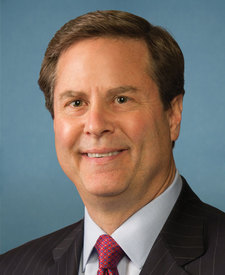


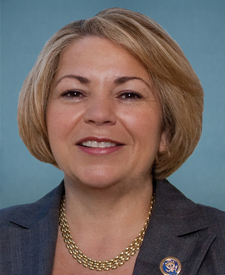
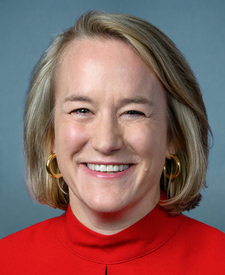
Legislative Progress
In CommitteeMr. Norcross (for himself, Ms. Sánchez, Ms. Budzinski, and Mr. …
Referred to the House Committee on Oversight and Government Reform.
Introduced in House
Bill Structure & Actor Mappings
Who is "The Secretary" in each section?
We use a combination of our own taxonomy and classification in addition to large language models to assess meaning and potential beneficiaries. High confidence means strong textual evidence. Always verify with the original bill text.
Learn more about our methodology