Access to Breast Cancer Diagnosis Act of 2025
Summary
What This Bill Does
The Access to Breast Cancer Diagnosis Act of 2025 adds Public Health Service Act section 2730. When a group health plan or health insurance issuer covers diagnostic or supplemental breast examinations, it may not impose deductibles, coinsurance, copayments, maximum limitations on those costs, or similar out-of-pocket expenses for those benefits. Diagnostic exams include medically necessary and appropriate diagnostic mammography, breast MRI, breast ultrasound, and similar exams consistent with National Comprehensive Cancer Network Guidelines to evaluate an abnormality found on screening or another exam. Supplemental exams include medically necessary and appropriate breast MRI, breast ultrasound, and similar exams used to screen higher-risk individuals based on personal history, family history, or other risk factors even when no abnormality is suspected. Plans may still require timely prior authorization or appropriate utilization controls, and stronger state protections are preserved. The bill adds the new section to ACA grandfathered-plan rules, creates an Internal Revenue Code safe harbor so high deductible health plans do not lose status for covering these exams before the deductible, and applies the changes to plan years beginning on or after January 1, 2026.
Who Benefits and How
Patients needing diagnostic breast exams benefit because covered exams cannot carry deductibles, copayments, coinsurance, or similar cost sharing. Higher-risk individuals needing supplemental breast screening benefit when family history, personal history, or other risk factors justify additional imaging. Breast cancer survivors benefit from lower out-of-pocket barriers to medically appropriate follow-up imaging. Clinicians ordering breast imaging benefit from clearer federal coverage rules tied to NCCN guidelines. State insurance regulators benefit because stronger state breast-exam protections are expressly preserved.
Who Bears the Burden and How
Group health plans must remove cost sharing for covered diagnostic and supplemental breast examinations. Health insurance issuers must update benefit designs, claims systems, and member materials before 2026 plan years. Employers sponsoring high deductible health plans may face higher premium or plan-cost pressure when exams are covered before the deductible. Plan utilization managers retain prior authorization authority but must apply it without cost-sharing barriers. The Treasury and HHS must administer the high-deductible-plan safe harbor and PHSA coverage requirement.
Key Provisions
- Creates PHSA section 2730 barring cost sharing for covered diagnostic and supplemental breast examinations.
- Defines diagnostic breast examinations by medical necessity, NCCN guidelines, and abnormality evaluation.
- Defines supplemental breast examinations for higher-risk screening based on personal, family, or other risk factors.
- Preserves timely prior authorization, appropriate utilization controls, and stronger State laws.
- Provides a high-deductible-health-plan safe harbor for first-dollar breast-exam coverage beginning in 2026.
Evidence Chain:
This summary is generated from the full bill text using AI analysis. Expand "Detailed Analysis" below for identified beneficiaries/burden bearers with clause-level evidence links.
At a Glance
What This Bill Does
Requires group health plans and health insurance issuers to cover diagnostic and supplemental breast examinations without cost sharing for plan years beginning January 1, 2026.
Key Policy Areas
Healthcare, Insurance, Women's Health
Primary Purpose
Requires group health plans and health insurance issuers to cover diagnostic and supplemental breast examinations without cost sharing for plan years beginning January 1, 2026.
Policy Domains
Resolution provisions
Identified Gains
- Patients needing diagnostic breast exams
- Higher-risk individuals needing supplemental breast screening
- Breast cancer survivors
- Clinicians ordering breast imaging
- State insurance regulators
Identified Costs
- Group health plans
- Health insurance issuers
- Employers sponsoring high deductible health plans
- Plan utilization managers
- Treasury Department
- HHS
Sponsors


Legislative Progress
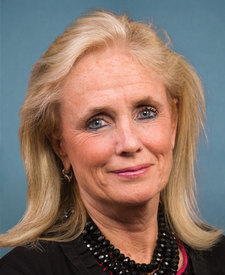
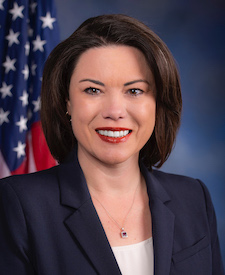
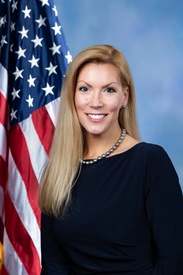
In CommitteeMrs. Dingell (for herself, Mr. Fitzpatrick, and Ms. Wasserman Schultz) …
Referred to the Committee on Energy and Commerce, and in …
Introduced in House
Stakeholder Effects
cui bono?How this legislation distributes effects. Mention counts reflect frequency, not effect magnitude.
Breast cancer survivors, Clinicians ordering breast imaging, Higher-risk individuals needing supplemental breast screening
Group health plans, Health insurance issuers
Bill Structure & Actor Mappings
Who is "The Secretary" in each section?
We use a combination of our own taxonomy and classification in addition to large language models to assess meaning and potential beneficiaries. High confidence means strong textual evidence. Always verify with the original bill text.
Learn more about our methodology