Protecting America’s Workers Act
Summary
What This Bill Does
The Protecting America's Workers Act is a broad OSHA enforcement and worker-protection bill. It expands the Occupational Safety and Health Act definition of employer to include the United States, states, and political subdivisions, while preserving state-plan rules. It defines authorized employee representatives, limits when the Labor Secretary may cede jurisdiction to another federal agency, and creates petition and court-review procedures for rescinding ceded-jurisdiction certifications. It greatly strengthens section 11(c) retaliation protections by covering injury, illness, and unsafe-condition reporting, refusal to violate the Act, refusal to work under reasonable serious-danger conditions, congressional or safety proceedings, and repeat discrimination. It gives complainants investigation rights, preliminary reinstatement, administrative hearings, review-board appeals, de novo federal court options, and relief including reinstatement, back pay with interest, compensatory damages, attorney fees, punitive damages, and 1,000 dollar daily penalties for noncompliance. The bill updates OSHA standards procedures, requires employers to report and record injuries, illnesses, deaths, hospitalizations, and significant incidents without discouraging reporting, adds victim and family rights in investigations and settlement proceedings, requires correction of serious, willful, or repeated violations while contests are pending unless stayed, increases civil penalties, adds felony and misdemeanor criminal penalties for knowing violations causing death or serious bodily harm, applies prejudgment interest, allows concurrent federal enforcement in deficient state plans, expands NIOSH health hazard evaluations, funds nonprofit safety training grants, and sets effective dates of 90 days, 12-month state-plan conformance windows, and 36 months for non-state-plan public workplaces.
Who Benefits and How
Public-sector employees benefit because federal, state, and local government workplaces become covered employers under OSHA. Workers reporting injuries or unsafe conditions benefit from stronger retaliation protections, longer filing windows, preliminary reinstatement, and damages. Authorized employee representatives benefit because the Act recognizes representatives chosen by employees or representing at least one worker at a workplace. Victims and families of workplace deaths or serious incidents benefit from participation rights in inspections, settlements, citation contests, and final-order notices. High-risk workers benefit from expanded nonprofit safety training grants and NIOSH health hazard evaluations requested by representatives, physicians, agencies, or health departments.
Who Bears the Burden and How
Employers face broader OSHA duties, recordkeeping, reporting, anti-retaliation procedures, abatement obligations during contests, and higher civil penalties. State government workplace operators must conform state plans or face direct federal OSHA coverage after transition periods. Local government workplace operators must prepare for direct federal OSHA coverage where no approved state plan applies. OSHA must run more detailed retaliation investigations, victim-rights processes, state-plan oversight, penalty enforcement, and ceded-jurisdiction reviews. State OSHA plan administrators face federal evaluation, potential concurrent enforcement, and possible withdrawal if deficiencies are not remedied. Employers whose knowing violations cause death or serious bodily harm face new felony or misdemeanor criminal exposure.
Key Provisions
- Expands OSHA employer coverage to federal, State, and local public employers.
- Creates a statutory definition of authorized employee representative.
- Strengthens anti-retaliation protections, investigation procedures, preliminary reinstatement, damages, and federal court remedies.
- Requires expanded injury, illness, death, hospitalization, significant-incident, and recordkeeping obligations.
- Provides victims and families rights to meet OSHA, receive notices, participate in settlements, and attend citation contests.
- Increases civil penalties and creates criminal penalties for knowing violations causing death or serious bodily harm.
- Authorizes concurrent federal enforcement and review of deficient State OSHA plans.
- Funds NIOSH hazard evaluations and nonprofit safety training grants.
Evidence Chain:
This summary is generated from the full bill text using AI analysis. Expand "Detailed Analysis" below for identified beneficiaries/burden bearers with clause-level evidence links.
At a Glance
What This Bill Does
Expands OSHA coverage and enforcement, strengthens anti-retaliation and victim rights, increases civil and criminal penalties, improves recordkeeping and fatality investigations, and tightens oversight of state OSHA plans.
Key Policy Areas
Labor, Workplace Safety, Government Oversight
Primary Purpose
Expands OSHA coverage and enforcement, strengthens anti-retaliation and victim rights, increases civil and criminal penalties, improves recordkeeping and fatality investigations, and tightens oversight of state OSHA plans.
Policy Domains
Resolution provisions
Identified Gains
- Public-sector employees
- Workers reporting unsafe conditions
- Authorized employee representatives
- Victims of workplace incidents
- Families of workplace incident victims
- High-risk workers
Identified Costs
- Employers
- State government workplace operators
- Local government workplace operators
- OSHA
- State OSHA plan administrators
- Employers with knowing safety violations
Sponsors
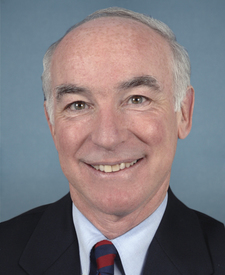


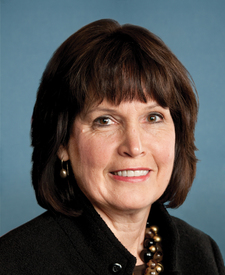
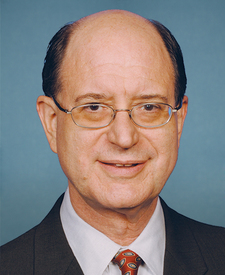
Legislative Progress
In CommitteeMr. Courtney (for himself, Mr. Scott of Virginia, Ms. Omar, …
Referred to the House Committee on Education and Workforce.
Introduced in House
Stakeholder Effects
cui bono?How this legislation distributes effects. Mention counts reflect frequency, not effect magnitude.
Authorized employee representatives, Families of workplace incident victims, High-risk workers
Local government workplace operators, OSHA, State OSHA plan administrators
Bill Structure & Actor Mappings
Who is "The Secretary" in each section?
We use a combination of our own taxonomy and classification in addition to large language models to assess meaning and potential beneficiaries. High confidence means strong textual evidence. Always verify with the original bill text.
Learn more about our methodology