To amend title 38, United States Code, to increase the authorization of appropriations for comprehensive service programs for homeless veterans.
Summary
What This Bill Does
This bill amends title 38's authorization of appropriations for comprehensive service programs for homeless veterans. It changes the prior open-ended reference to fiscal year 2015 and each subsequent fiscal year so that it covers fiscal years 2015 through 2024, then adds $350,000,000 for fiscal year 2025 and such sums as may be necessary for each later fiscal year.
The text does not change program eligibility, service categories, or grant conditions. Its effect is to update the authorization levels and keep the comprehensive homeless-veteran service program authorized beyond fiscal year 2024.
Who Benefits and How
Homeless veterans benefit if the higher authorization supports continued services such as housing assistance, outreach, case management, or other comprehensive support funded under the existing program. Nonprofit and local service providers benefit from renewed authorization that can support future grants or contracts. VA homeless-program offices benefit from a clear fiscal year 2025 authorization and continuing authority for later years.
Who Bears the Burden and How
Congressional appropriators must decide whether to fund the $350,000,000 fiscal year 2025 authorization and later such-sums amounts. VA grant administrators must update program planning, notices, and award management for the new authorization period. Service providers must continue meeting program rules to receive funds.
Key Provisions
- Sets the prior title 38 authorization period as fiscal years 2015 through 2024.
- Authorizes $350,000,000 for comprehensive homeless-veteran service programs for fiscal year 2025.
- Authorizes such sums as may be necessary for each later fiscal year.
- Preserves the existing comprehensive service program structure.
- Requires VA and appropriators to plan around the updated authorization levels.
Evidence Chain:
This summary is generated from the full bill text using AI analysis. Expand "Detailed Analysis" below for identified beneficiaries/burden bearers.
At a Glance
What This Bill Does
Increases and extends the title 38 authorization of appropriations for comprehensive service programs for homeless veterans by setting $350,000,000 for fiscal year 2025 and such sums as necessary for later fiscal years.
Key Policy Areas
Veterans, Homelessness, Housing, Appropriations
Primary Purpose
Increases and extends the title 38 authorization of appropriations for comprehensive service programs for homeless veterans by setting $350,000,000 for fiscal year 2025 and such sums as necessary for later fiscal years.
Policy Domains
Authorization for comprehensive homeless-veteran service programs
Identified Gains
Contextual inference, no direct clause citation- Homeless veterans
- Homeless-veteran service providers
- VA homeless-program offices
Contextual inference, no direct clause citation
Identified Costs
Contextual inference, no direct clause citation- Congressional appropriators
- VA grant administrators
- Homeless-veteran service providers
Contextual inference, no direct clause citation
Sponsors


Legislative Progress
In CommitteeReferred to the Subcommittee on Economic Opportunity.
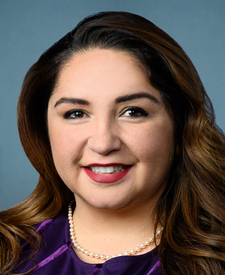
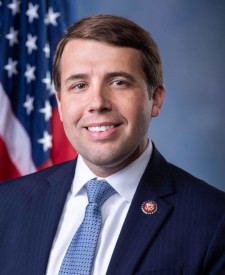
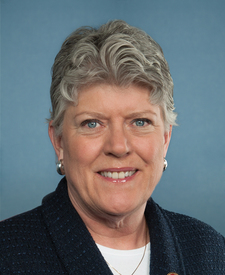
Mrs. Ramirez (for herself, Mr. Takano, Ms. Brownley, Mr. Pappas, …
Referred to the House Committee on Veterans' Affairs.
Introduced in House
Bill Structure & Actor Mappings
Who is "The Secretary" in each section?
- "va"
- → Department of Veterans Affairs
- "veteran"
- → Homeless veteran
- "provider"
- → Homeless-veteran service provider
We use a combination of our own taxonomy and classification in addition to large language models to assess meaning and potential beneficiaries. High confidence means strong textual evidence. Always verify with the original bill text.
Learn more about our methodology