Secure E-Waste Export and Recycling Act
Summary
What This Bill Does
The Secure E-Waste Export and Recycling Act creates export controls for used electronics and electronic components. Electronic waste includes computers, data center equipment, mobile computers, televisions, video displays, printers and scanners, consumer electronics, GPS devices, and other items designated by Commerce. The bill generally bars export or reexport of electronic waste and even exempted electronic waste items unless an exemption applies. Exempted items include tested working used electronics shipped for reuse, low-risk counterfeit electronics destroyed so they are unusable for their original purpose and exported as recycling feedstock, and recalled electronics repaired by the manufacturer or agent. Exporters of exempted items must be on a public Commerce registry, file electronic export information in the Automated Export System, identify quantities, receiving countries, consignees, permits, resources, competence, and anti-counterfeit controls, comply with international agreements and export laws, and ship documentation with registration, declarations, contents, condition, testing methods, test results, consignee information, and receiving-country consent for certain low-risk counterfeit electronics. Commerce may create a personal-use exception for 20 or fewer electronic-component items, must modify the Export Administration Regulations within one year, and violations carry EAR penalties.
Who Benefits and How
Domestic electronics recyclers benefit because more e-waste may need to be processed under U.S.-controlled recycling channels. Consumers buying used electronics benefit if tested working exports are separated from sham recycling and counterfeit-risk shipments. National security agencies benefit from controls aimed at preventing exported e-waste from reemerging as counterfeit goods or counterfeit military goods. Foreign recycling facilities with proper permits benefit if they can document competence and receive exempted feedstock lawfully.
Who Bears the Burden and How
E-waste exporters must register, file AES data, document shipments, certify item condition, and verify consignee permits and competence. The Commerce Department must maintain a registry, define testing methodologies, create any personal-use exception, and update the Export Administration Regulations. Data center equipment resellers face export restrictions unless used equipment fits tested-working or controlled recycling exemptions. Exporters violating the new rules face the same penalties that apply to Export Administration Regulations violations.
Key Provisions
- Prohibits export or reexport of electronic waste except under defined exemptions.
- Defines electronic waste to include computers, data center equipment, mobile devices, televisions, displays, printers, consumer electronics, and GPS devices.
- Allows tested working electronics, low-risk counterfeit feedstock, and repaired recalled electronics only with registry, AES, documentation, and consignee controls.
- Authorizes a personal-use exception for 20 or fewer electronic-component items.
- Requires Commerce to update the Export Administration Regulations within one year and applies EAR penalties to violations.
Evidence Chain:
This summary is generated from the full bill text using AI analysis. Expand "Detailed Analysis" below for identified beneficiaries/burden bearers with clause-level evidence links.
At a Glance
What This Bill Does
Restricts exports and reexports of electronic waste, allows registered exports of tested working electronics, low-risk counterfeit feedstock, and repaired recalled electronics under documentation rules, and requires Commerce to update export regulations within one year.
Key Policy Areas
Trade, Export Controls, Electronics, Waste
Primary Purpose
Restricts exports and reexports of electronic waste, allows registered exports of tested working electronics, low-risk counterfeit feedstock, and repaired recalled electronics under documentation rules, and requires Commerce to update export regulations within one year.
Policy Domains
Resolution provisions
Identified Gains
- Domestic electronics recyclers
- Consumers buying used electronics
- National security agencies
- Foreign recycling facilities with proper permits
Identified Costs
- E-waste exporters
- Commerce Department
- Data center equipment resellers
- Exporters violating e-waste rules
Sponsors




Legislative Progress
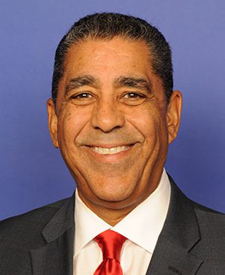
In CommitteeMr. Espaillat (for himself and Mr. Diaz-Balart) introduced the following …
Referred to the House Committee on Foreign Affairs.
Introduced in House
Stakeholder Effects
cui bono?How this legislation distributes effects. Mention counts reflect frequency, not effect magnitude.
Domestic electronics recyclers, Foreign recycling facilities with proper permits
Bill Structure & Actor Mappings
Who is "The Secretary" in each section?
We use a combination of our own taxonomy and classification in addition to large language models to assess meaning and potential beneficiaries. High confidence means strong textual evidence. Always verify with the original bill text.
Learn more about our methodology