GUARD Act
Summary
What This Bill Does
The GUARD Act focuses federal fraud-fighting resources on scams that target older adults, adults with disabilities, consumers, and investors. It defines elder financial fraud, general financial fraud, pig butchering, scam, state, and eligible federal grant funds. Eligible funds include several DOJ training, technical-assistance, cybercrime, information-sharing, Internet of Things, Violence Against Women Act cybercrime, and COPS Technology and Equipment programs. State, local, and Tribal law enforcement agencies receiving those funds may use them to investigate elder financial fraud, pig butchering, and general financial fraud by hiring personnel, training investigators, using blockchain intelligence tools, buying investigative software, improving data collection, and running coordination exercises.
Who Benefits and How
State law enforcement agencies benefit because eligible federal grants can be used for analysts, agents, experts, training, and technical tools for complex financial-fraud investigations. Local police departments receive the same flexibility for scam investigations. Tribal law enforcement agencies benefit from explicit eligibility to use funds for elder financial fraud and pig-butchering investigations. Elderly fraud victims and adults with disabilities benefit because the bill directs resources to crimes involving their money, property, or other resources. Blockchain analytics vendors and financial-fraud training providers may gain revenue opportunities from grant-funded investigative tools and training.
Who Bears the Burden and How
Treasury and FinCEN must prepare reports on general financial fraud, pig butchering, elder financial fraud, and scams in consultation with DOJ, DHS, banking agencies, and financial regulators. Federal grant-making agencies must issue annual reports to House Financial Services and Senate Banking with information received from law enforcement agencies. State, local, and Tribal law enforcement grant recipients must collect and report information tied to the funded fraud-investigation activities.
Key Provisions
- Defines elder financial fraud, general financial fraud, pig butchering, scam, state, and eligible federal grant funds.
- Authorizes state, local, and Tribal law enforcement agencies to use eligible DOJ grant funds for investigating elder financial fraud, pig butchering, and general financial fraud.
- Provides grant-eligible uses for hiring analysts, agents, experts, training personnel, blockchain intelligence tools, investigative software, data collection, and coordination exercises.
- Requires Treasury and FinCEN to report within one year on fraud-fighting efforts and recommendations in consultation with DOJ, DHS, banking agencies, and financial regulators.
- Requires Treasury and FinCEN to report within two years on the state of scams in the United States, including estimates of frequency and consumer losses.
- Requires each federal agency providing eligible grant funds to report annually to the House Financial Services Committee and Senate Banking Committee.
Evidence Chain:
This summary is generated from the full bill text using AI analysis. Expand "Detailed Analysis" below for identified beneficiaries/burden bearers with clause-level evidence links.
At a Glance
What This Bill Does
Allows state, local, and Tribal law enforcement agencies to use specified DOJ grant funds for investigations of elder financial fraud, pig-butchering scams, general financial fraud, and other scams, including personnel, specialized training, blockchain intelligence tools, fraud software, data collection, and coordination exercises; requires Treasury and FinCEN, with DOJ, DHS, banking agencies, and federal financial regulators, to report on fraud trends and recommendations; and requires annual grant-agency reports to congressional banking committees.
Key Policy Areas
Criminal Justice, Finance, Technology, Consumer Protection
Primary Purpose
Allows state, local, and Tribal law enforcement agencies to use specified DOJ grant funds for investigations of elder financial fraud, pig-butchering scams, general financial fraud, and other scams, including personnel, specialized training, blockchain intelligence tools, fraud software, data collection, and coordination exercises; requires Treasury and FinCEN, with DOJ, DHS, banking agencies, and federal financial regulators, to report on fraud trends and recommendations; and requires annual grant-agency reports to congressional banking committees.
Policy Domains
House resolution provisions
Identified Gains
- State law enforcement agencies
- Local police departments
- Tribal law enforcement agencies
- Elderly fraud victims
- Adults with disabilities
- Blockchain analytics vendors
- Financial-fraud training providers
Identified Costs
- Department of the Treasury
- Financial Crimes Enforcement Network
- Department of Justice
- Department of Homeland Security
- Federal banking agencies
- Federal grant-making agencies
- Law enforcement grant recipients
Sponsors
Legislative Progress
ReportedReported (Amended) by the Committee on Financial Services. H. Rept. …
Ordered to be Reported (Amended) by the Yeas and Nays: …
Committee Consideration and Mark-up Session Held
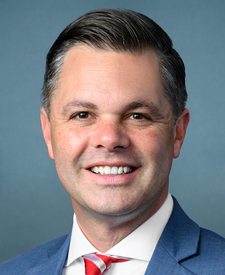
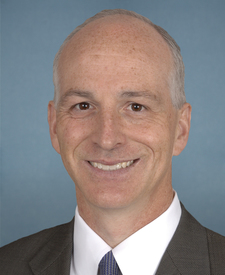
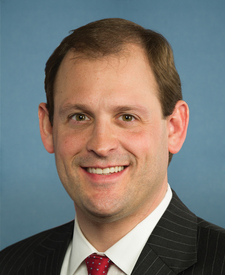
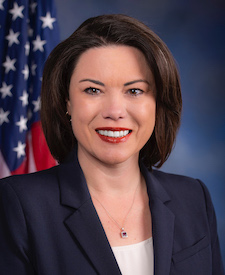
Mr. Nunn of Iowa (for himself, Mr. Gottheimer, and Mr. …
Referred to the Committee on the Judiciary, and in addition …
Introduced in House
Stakeholder Effects
cui bono?How this legislation distributes effects. Mention counts reflect frequency, not effect magnitude.
Department of Homeland Security, Department of Justice, Department of the Treasury
Positive-direction: House Financial Services Committee, Senate Banking Committee
Negative-direction: Department of Homeland Security, Department of Justice, Department of the Treasury, Federal grant-making agencies, Financial Crimes Enforcement Network
Law enforcement grant recipients, Local police departments, State law enforcement agencies
Positive-direction: Local police departments, State law enforcement agencies, Tribal law enforcement agencies
Negative-direction: Law enforcement grant recipients
Adults with disabilities, American consumers targeted by scams, Elderly fraud victims
Bill Structure & Actor Mappings
Who is "The Secretary" in each section?
- "dhs"
- → Department of Homeland Security
- "doj"
- → Department of Justice
- "fincen"
- → Financial Crimes Enforcement Network
- "treasury"
- → Department of the Treasury
We use a combination of our own taxonomy and classification in addition to large language models to assess meaning and potential beneficiaries. High confidence means strong textual evidence. Always verify with the original bill text.
Learn more about our methodology