Broadband Incentives for Communities Act
Summary
What This Bill Does
The Broadband Incentives for Communities Act builds around local permitting bottlenecks in broadband deployment. It notes that the Infrastructure Investment and Jobs Act provided at least 42,500,000,000 dollars for broadband support and that local zoning and permitting processes affect whether broadband infrastructure can be built quickly. The bill directs the Assistant Secretary of Commerce for Communications and Information to run competitive grants for covered entities, meaning political subdivisions of states and Indian Tribes. To qualify, an entity must show readiness for broadband deployment, including efficient review of wireless and fiber applications, written policies or ordinances allowing expedited methods such as micro-trenching, and fee rules tied to actual objectively reasonable costs or otherwise uniform published objectively reasonable fees. Grant funds can support capacity-building, employee training and hiring, and technology, software, and equipment for application processing. The bill also creates a Local Broadband Advisory Council within 90 days to develop solutions for deployment challenges among local jurisdictions, covered entities, and infrastructure providers, with a report due within one year.
Who Benefits and How
Political subdivisions benefit from competitive grants for staff, training, software, and equipment to process broadband applications faster. Indian Tribes benefit because they are eligible covered entities for permitting-capacity grants. Broadband infrastructure providers benefit from more predictable fees, expedited processes, and advisory council solutions. Underserved rural communities benefit if local permitting capacity helps convert federal broadband funding into actual infrastructure.
Who Bears the Burden and How
The Assistant Secretary of Commerce for Communications and Information must establish the grant program and Local Broadband Advisory Council. Local governments seeking grants must adopt efficient review processes, published fee rules, and written expedited-deployment policies. Covered entities must use grant funds for processing capacity rather than unrelated local priorities. Broadband advisory council members must produce a report within one year on deployment solutions.
Key Provisions
- Creates competitive broadband permitting-capacity grants for political subdivisions and Indian Tribes.
- Requires applicants to adopt efficient wireless and fiber application review processes.
- Limits or standardizes application fees and encourages expedited deployment methods such as micro-trenching.
- Authorizes grant uses for training, hiring, technology, software, and equipment for application processing.
- Establishes a Local Broadband Advisory Council within 90 days with a one-year report deadline.
Evidence Chain:
This summary is generated from the full bill text using AI analysis. Expand "Detailed Analysis" below for identified beneficiaries/burden bearers with clause-level evidence links.
At a Glance
What This Bill Does
Creates a competitive NTIA grant program for political subdivisions and Indian Tribes that adopt efficient broadband permitting processes, fee limits, expedited methods such as micro-trenching, and local capacity tools, and creates a Local Broadband Advisory Council.
Key Policy Areas
Broadband, Local Government, Telecommunications, Infrastructure
Primary Purpose
Creates a competitive NTIA grant program for political subdivisions and Indian Tribes that adopt efficient broadband permitting processes, fee limits, expedited methods such as micro-trenching, and local capacity tools, and creates a Local Broadband Advisory Council.
Policy Domains
Resolution provisions
Identified Gains
- Political subdivisions
- Indian Tribes
- Broadband infrastructure providers
- Underserved rural communities
Identified Costs
- Assistant Secretary of Commerce for Communications and Information
- Local governments seeking grants
- Covered entities
- Broadband advisory council members
Sponsors

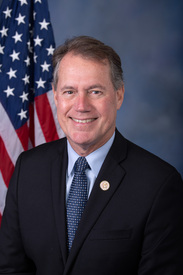
Lizzie Fletcher
D-TX | Primary Sponsor
Legislative Progress
In CommitteeMrs. Fletcher introduced the following bill; which was referred to …
Referred to the House Committee on Energy and Commerce.
Introduced in House
Stakeholder Effects
cui bono?How this legislation distributes effects. Mention counts reflect frequency, not effect magnitude.
Local governments seeking grants, Political subdivisions
Positive-direction: Political subdivisions
Negative-direction: Local governments seeking grants
Assistant Secretary of Commerce for Communications and Information, Indian Tribes
Positive-direction: Indian Tribes
Negative-direction: Assistant Secretary of Commerce for Communications and Information
Bill Structure & Actor Mappings
Who is "The Secretary" in each section?
We use a combination of our own taxonomy and classification in addition to large language models to assess meaning and potential beneficiaries. High confidence means strong textual evidence. Always verify with the original bill text.
Learn more about our methodology