EITC for Older Workers Act of 2025
Summary
What This Bill Does
The EITC for Older Workers Act makes one targeted change to Internal Revenue Code section 32. Current childless earned income tax credit eligibility includes an upper age limit by requiring a worker to have attained age 25 but not age 65. This bill strikes the 'but not attained age 65' language, so older workers who otherwise qualify for the childless EITC would not lose eligibility solely because they are 65 or older. The change applies to taxable years beginning after December 31, 2025.
Who Benefits and How
Low-income workers age 65 or older benefit because they can qualify for the childless EITC if they meet the other section 32 requirements. Older part-time workers benefit if continued work after age 65 generates a refundable or offsetting EITC. Tax preparers serving seniors benefit from a simpler age rule after 2025. Senior anti-poverty advocates benefit from an income-support expansion tied to work.
Who Bears the Burden and How
The Internal Revenue Service must update forms, instructions, eligibility checks, and outreach for older childless workers. Federal taxpayers bear the revenue cost of extending EITC eligibility to additional older workers. Tax software providers must update age eligibility logic for taxable years beginning after 2025. Workers age 65 or older still must document earned income and satisfy the other EITC requirements.
Key Provisions
- Amends section 32 to strike the childless EITC upper age limit.
- Expands EITC eligibility for workers age 65 or older who otherwise qualify.
- Applies the change to taxable years beginning after December 31, 2025.
- Preserves other earned income tax credit eligibility requirements.
Evidence Chain:
This summary is generated from the full bill text using AI analysis. Expand "Detailed Analysis" below for identified beneficiaries/burden bearers with clause-level evidence links.
At a Glance
What This Bill Does
Repeals the age-65 upper age limit for childless earned income tax credit eligibility for taxable years beginning after December 31, 2025.
Key Policy Areas
Tax, Older Workers, Income Support
Primary Purpose
Repeals the age-65 upper age limit for childless earned income tax credit eligibility for taxable years beginning after December 31, 2025.
Policy Domains
Resolution provisions
Identified Gains
- Low-income workers age 65 or older
- Older part-time workers
- Tax preparers serving seniors
- Senior anti-poverty advocates
Identified Costs
- Internal Revenue Service
- Federal taxpayers
- Tax software providers
- Older workers claiming EITC
Sponsors

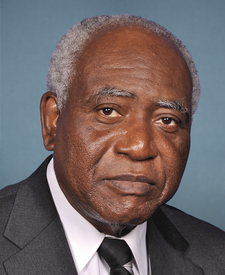

Legislative Progress
In CommitteeMr. Carey (for himself and Mr. Davis of Illinois) introduced …
Referred to the House Committee on Ways and Means.
Introduced in House
Stakeholder Effects
cui bono?How this legislation distributes effects. Mention counts reflect frequency, not effect magnitude.
Low-income workers age 65 or older, Older part-time workers
Bill Structure & Actor Mappings
Who is "The Secretary" in each section?
We use a combination of our own taxonomy and classification in addition to large language models to assess meaning and potential beneficiaries. High confidence means strong textual evidence. Always verify with the original bill text.
Learn more about our methodology