To require the Administrator of the Small Business Administration to ensure that the small business regulatory budget for a small business concern in a fiscal year is not greater than zero, and for other purposes.
Summary
What This Bill Does
The Small Business Regulatory Reduction Act of 2025 defines a small business regulatory budget as the cost to a small business of federal agency rulemaking, including costs from new rules and from modifications or repeals of existing rules. Beginning in fiscal year 2026 and every fiscal year after that, the SBA Administrator must ensure that the Small Business Administration's small business regulatory budget is not greater than zero. Starting 60 days after the end of fiscal year 2025 and annually thereafter, the Chief Counsel for the SBA Office of Advocacy must report to Congress on rules issued by federal agencies other than SBA that affect small businesses. The report must include each agency's total small business regulatory budget for the preceding fiscal year, list each covered rule, and disaggregate the information by issuing agency. The bill authorizes no additional appropriations.
Who Benefits and How
Small businesses nationwide, small business trade associations, SBA-regulated firms, congressional small-business overseers, Office of Advocacy analysts, regulatory-budget watchdogs, and entrepreneurs facing compliance costs benefit from a zero-net-cost requirement for SBA rules and annual visibility into other agencies' rules and small-business regulatory budgets.
Who Bears the Burden and How
The SBA Administrator, SBA rulemaking offices, SBA Office of Advocacy, Chief Counsel for Advocacy, non-SBA federal regulatory agencies, agency rulemaking offices, Federal Register publication staff, and regulatory analysts must calculate small-business rulemaking costs, offset SBA regulatory burdens, compile annual agency-by-agency reports, track rule modifications and repeals, and do the work without new appropriations.
Key Provisions
- Defines small business regulatory budget as the cost to small businesses of federal agency rulemaking.
- Requires SBA's small business regulatory budget to be zero or below beginning in fiscal year 2026.
- Requires annual Office of Advocacy reports to Congress on non-SBA agency rules affecting small businesses.
- Requires those reports to include each agency's total small business regulatory budget and each covered rule.
- Provides that no additional funds are authorized.
Evidence Chain:
This summary is generated from the full bill text using AI analysis. Expand "Detailed Analysis" below for identified beneficiaries/burden bearers with clause-level evidence links.
At a Glance
What This Bill Does
Requires the SBA beginning in fiscal year 2026 to keep its small business regulatory budget at zero or below, defines the budget as small-business costs from federal rulemaking, requires SBA Office of Advocacy annual reports on other agencies' small-business rules and regulatory budgets, and authorizes no additional funds.
Key Policy Areas
Small Business, Regulatory Policy, Federal Administration
Primary Purpose
Requires the SBA beginning in fiscal year 2026 to keep its small business regulatory budget at zero or below, defines the budget as small-business costs from federal rulemaking, requires SBA Office of Advocacy annual reports on other agencies' small-business rules and regulatory budgets, and authorizes no additional funds.
Policy Domains
Substantive provisions
Identified Gains
- Small businesses nationwide
- Small business trade associations
- SBA-regulated firms
- Congressional small-business overseers
- Office of Advocacy analysts
- Regulatory-budget watchdogs
- Entrepreneurs facing compliance costs
Identified Costs
- SBA Administrator
- SBA rulemaking offices
- SBA Office of Advocacy
- Chief Counsel for Advocacy
- Non-SBA federal regulatory agencies
- Agency rulemaking offices
- Federal Register publication staff
- Regulatory analysts
Sponsors
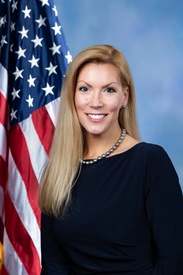
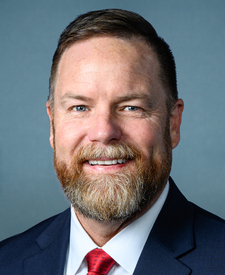
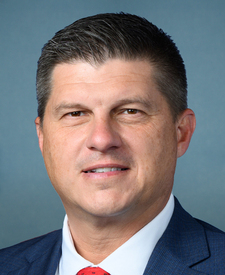
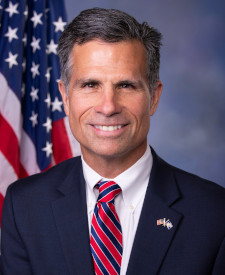

Legislative Progress
Passed HouseReceived; read twice and referred to the Committee on Small …
Passed House (inferred from eh version)
Additional sponsors: Mr. Meuser, Mr. Schmidt, Mr. Finstad, and Mr. …
Reported with an amendment, committed to the Committee of the …
Ms. Van Duyne (for herself and Ms. King-Hinds) introduced the …
Stakeholder Effects
cui bono?How this legislation distributes effects. Mention counts reflect frequency, not effect magnitude.
Chief Counsel for Advocacy, Congressional small-business overseers, Non-SBA federal regulatory agencies
Positive-direction: Congressional small-business overseers
Negative-direction: Chief Counsel for Advocacy, Non-SBA federal regulatory agencies, SBA Office of Advocacy, Small Business Administration
Small business trade associations, Small businesses nationwide
On Passage
Small Business Regulatory Reduction Act
Bill Structure & Actor Mappings
Who is "The Secretary" in each section?
- "administrator"
- → Administrator of the Small Business Administration
- "chief_counsel"
- → Chief Counsel for the SBA Office of Advocacy
We use a combination of our own taxonomy and classification in addition to large language models to assess meaning and potential beneficiaries. High confidence means strong textual evidence. Always verify with the original bill text.
Learn more about our methodology