Working Families Task Force Act of 2025
Summary
What This Bill Does
The Working Families Task Force Act creates a federal interagency process rather than a direct benefit program. Within 90 days, the Secretary of Labor, in consultation with HHS, Education, HUD, Commerce, Treasury, Transportation, Agriculture, and SBA, must establish the Working Families Task Force. The task force must include representatives from at least nine federal agencies, meet quarterly, use a two-thirds quorum, examine challenges facing working families, and recommend ways to improve standard of living and quality of life. Its duties cover inflation, economic mobility, jobs with livable wages and labor standards, child care, the child tax credit, the child and dependent care tax credit, the earned income tax credit, senior care, health care, housing, education and workforce training, financial literacy, food access, technology and internet access, environmental hazards, renewable energy, transportation, and effects of staffing and funding cuts at federal agencies. Within 180 days it must submit and publish a report with findings, recommendations, stakeholders consulted, and meeting minutes.
Who Benefits and How
Working families benefit if federal agencies produce coordinated recommendations on affordability, wages, child care, health care, housing, food, energy, transportation, and tax credits. Congressional committees benefit from a published 180-day report with findings, recommendations, stakeholder lists, and meeting minutes. Federal agencies serving families benefit from a structure for comparing program gaps across labor, housing, health, education, agriculture, transportation, commerce, tax, and small business policy. Public experts benefit from a required consultation channel into the task force recommendations.
Who Bears the Burden and How
The Department of Labor must establish and lead the task force within 90 days. HHS, Education, HUD, Commerce, Treasury, Transportation, Agriculture, and SBA must designate representatives and participate in quarterly meetings. Task force members must assess macroeconomic conditions, current federal programs, and legislative or regulatory recommendations. Federal agencies criticized for staffing or funding cuts may face public scrutiny in the required report.
Key Provisions
- Creates the Interagency National Task Force on Working Families within 90 days.
- Requires participation by Labor, HHS, Education, HUD, Commerce, Treasury, Transportation, Agriculture, and SBA.
- Directs the task force to evaluate affordability, mobility, wages, child care, tax credits, senior care, health care, housing, training, food, technology, energy, transportation, and agency staffing impacts.
- Requires a public report to congressional committees within 180 days with recommendations, consulted stakeholders, and meeting minutes.
Evidence Chain:
This summary is generated from the full bill text using AI analysis. Expand "Detailed Analysis" below for identified beneficiaries/burden bearers with clause-level evidence links.
At a Glance
What This Bill Does
Creates an Interagency National Task Force on Working Families led by the Labor Secretary to examine affordability, mobility, wages, child care, tax credits, senior care, health care, housing, training, food, technology, energy, transportation, and federal staffing impacts, then report recommendations within 180 days.
Key Policy Areas
Labor, Families, Economic Policy, Interagency Coordination
Primary Purpose
Creates an Interagency National Task Force on Working Families led by the Labor Secretary to examine affordability, mobility, wages, child care, tax credits, senior care, health care, housing, training, food, technology, energy, transportation, and federal staffing impacts, then report recommendations within 180 days.
Policy Domains
Resolution provisions
Identified Gains
- Working families
- Congressional committees
- Federal agencies serving families
- Public experts
Identified Costs
- Department of Labor
- HHS
- Department of Education
- HUD
- Commerce Department
- Treasury Department
- Department of Transportation
- Department of Agriculture
- Small Business Administration
Sponsors
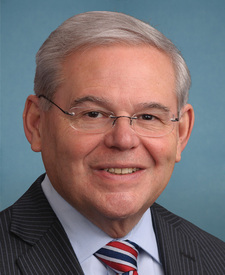
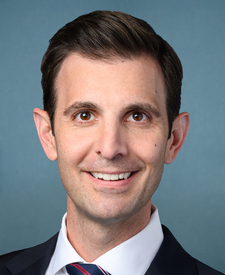
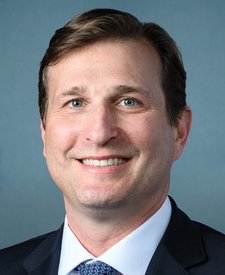
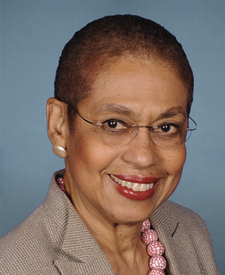

Legislative Progress
In CommitteeMr. Menendez (for himself, Mr. Whitesides, Mr. Goldman of New …
Referred to the Committee on Education and Workforce, and in …
Introduced in House
Stakeholder Effects
cui bono?How this legislation distributes effects. Mention counts reflect frequency, not effect magnitude.
Congressional committees, Department of Education, Department of Labor
Positive-direction: Congressional committees
Negative-direction: Department of Education, Department of Labor, HHS, HUD, Small Business Administration
Bill Structure & Actor Mappings
Who is "The Secretary" in each section?
We use a combination of our own taxonomy and classification in addition to large language models to assess meaning and potential beneficiaries. High confidence means strong textual evidence. Always verify with the original bill text.
Learn more about our methodology