CAREERS Act
Summary
What This Bill Does
The CAREERS Act amends section 379I of the Consolidated Farm and Rural Development Act. It expands rural workforce training so grants can support career pathway programs and industry or sector partnerships, adds institutions of higher education and area career and technical education schools to eligible structures, and requires career pathway programs to include a local workforce development board member so training is integrated with local WIOA activity. It adds rural workforce challenges such as worker displacement, an aging workforce, and youth migration to selection considerations, requires regional diversity, and supports rural sectors including telecommunications or broadband, water and wastewater, electric supply, conservation, health care, child care, manufacturing, and agribusiness. It also adds reporting on skills development, recognized postsecondary credentials, specialized education, and employment and earnings outcomes, and reauthorizes the program for 2025 through 2030.
Who Benefits and How
Rural workers benefit because career pathway programs and industry partnerships can fund targeted skills development in local in-demand sectors. Rural institutions of higher education benefit because they become explicit partners in eligible workforce training structures. Area career and technical education schools benefit from inclusion in rural career pathway and sector partnership grants. Rural employers benefit from training aligned with broadband, water, electric, conservation, health care, child care, manufacturing, and agribusiness needs.
Who Bears the Burden and How
USDA Rural Development staff must update eligibility, selection, regional diversity, reporting, and reauthorization administration. Local workforce development boards must participate in career pathway programs and integrate them with WIOA activity. Grant recipients must report credential, skills development, specialized education, employment, and earnings outcomes. Federal taxpayers bear the cost of grants awarded under the extended 2025 through 2030 authority.
Key Provisions
- Expands eligible rural workforce grants to career pathway programs and industry or sector partnerships.
- Adds institutions of higher education and area career and technical education schools to eligible structures.
- Requires local workforce development board integration for career pathway programs.
- Targets rural workforce challenges including displacement, aging workforce, and youth migration.
- Requires reporting on credentials, skills development, specialized education, employment, and earnings outcomes.
- Extends the rural workforce training program authorization from 2025 through 2030.
Evidence Chain:
This summary is generated from the full bill text using AI analysis. Expand "Detailed Analysis" below for identified beneficiaries/burden bearers with clause-level evidence links.
At a Glance
What This Bill Does
Expands USDA rural workforce training grants to career pathway programs and industry or sector partnerships, adds higher education and career-technical schools, targets rural workforce challenges, and extends the program through 2030.
Key Policy Areas
Rural Development, Workforce Development, Education
Primary Purpose
Expands USDA rural workforce training grants to career pathway programs and industry or sector partnerships, adds higher education and career-technical schools, targets rural workforce challenges, and extends the program through 2030.
Policy Domains
Resolution provisions
Identified Gains
- Rural workers
- Rural institutions of higher education
- Area career and technical education schools
- Rural employers
Identified Costs
- USDA Rural Development staff
- Local workforce development boards
- Grant recipients
- Federal taxpayers
Sponsors


Legislative Progress
In CommitteeReferred to the Subcommittee on Commodity Markets, Digital Assets, and …
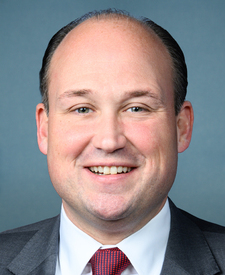
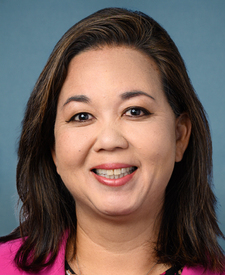
Mr. Langworthy (for himself and Ms. Tokuda) introduced the following …
Referred to the House Committee on Agriculture.
Introduced in House
Stakeholder Effects
cui bono?How this legislation distributes effects. Mention counts reflect frequency, not effect magnitude.
Area career and technical education schools, Rural institutions of higher education
Bill Structure & Actor Mappings
Who is "The Secretary" in each section?
We use a combination of our own taxonomy and classification in addition to large language models to assess meaning and potential beneficiaries. High confidence means strong textual evidence. Always verify with the original bill text.
Learn more about our methodology