Pursuing Equity in Mental Health Act
Summary
What This Bill Does
The Pursuing Equity in Mental Health Act expands federal mental health equity programs. It gives special consideration in the Primary and Behavioral Health Care grant program to eligible entities serving high proportions of racial and ethnic minority groups and raises that authorization to 80 million dollars per year for fiscal years 2026 through 2031 after 60 million dollars for fiscal year 2025. It directs NIH, NIMH, NIMHD, and SAMHSA to seek a National Academies study on mental health disparities research gaps within 9 months, with AHRQ as fallback. It lets health professions fellowship funds develop and disseminate best practices and core competencies for training in social work, psychology, psychiatry, addiction medicine, marriage and family therapy, mental health counseling, and substance misuse counseling. It creates a culturally and linguistically appropriate behavioral and mental health outreach strategy with 20 million dollars per year for fiscal years 2026 through 2031, requires annual public reports for 5 years, authorizes 150 million dollars per year for NIH community-engaged clinical research and youth mental health disparities work, and authorizes 750 million dollars per year for NIMHD from fiscal years 2026 through 2031.
Who Benefits and How
Racial and ethnic minority communities benefit because grant programs, outreach, research, and training are targeted toward disparities in mental health and substance use. Community mental health providers benefit from special consideration in primary and behavioral health grants when they serve high proportions of minority groups. Health professions schools benefit from support to develop competencies on mental health disparities for social work, psychology, psychiatry, counseling, and addiction training. National Institute on Minority Health and Health Disparities researchers benefit from a 750 million dollar annual authorization for fiscal years 2026 through 2031.
Who Bears the Burden and How
The Department of Health and Human Services must administer expanded grants, outreach strategy, reports, and coordination across NIH, SAMHSA, NIMH, NIMHD, and AHRQ. The National Academies or fallback research entity must study disparities research gaps and report recommendations to Congress. Federal taxpayers bear the cost of the 80 million, 20 million, 150 million, and 750 million dollar annual authorizations. Grant and fellowship recipients must develop, evaluate, report, and disseminate culturally appropriate programs and competencies.
Key Provisions
- Increases Primary and Behavioral Health Care grant authorization to 80 million dollars per year for fiscal years 2026 through 2031.
- Requires a national study on racial and ethnic minority mental health disparities research gaps within 9 months.
- Expands health professions competencies and best practices for mental health disparities training.
- Creates a culturally and linguistically appropriate outreach and education strategy with annual reports for 5 years.
- Provides 150 million dollars per year for NIH clinical research and youth mental health disparities work.
- Provides 750 million dollars per year for the National Institute on Minority Health and Health Disparities.
Evidence Chain:
This summary is generated from the full bill text using AI analysis. Expand "Detailed Analysis" below for identified beneficiaries/burden bearers with clause-level evidence links.
At a Glance
What This Bill Does
Increases and targets federal mental health funding for racial and ethnic minority groups through primary-behavioral health grants, disparities research, health-professions competencies, outreach, NIH clinical research, and NIMHD funding.
Key Policy Areas
Mental Health, Health Equity, Research
Primary Purpose
Increases and targets federal mental health funding for racial and ethnic minority groups through primary-behavioral health grants, disparities research, health-professions competencies, outreach, NIH clinical research, and NIMHD funding.
Policy Domains
Resolution provisions
Identified Gains
- Racial and ethnic minority communities
- Community mental health providers
- Health professions schools
- National Institute on Minority Health and Health Disparities researchers
Identified Costs
- Department of Health and Human Services
- National Academies research panel
- Federal taxpayers
- Grant and fellowship recipients
Sponsors



Legislative Progress
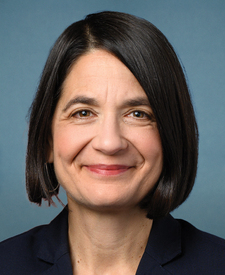
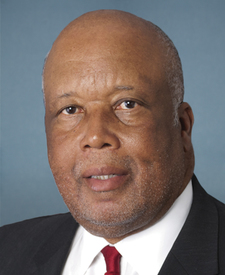
In CommitteeMrs. Watson Coleman (for herself, Ms. Norton, Mr. Fields, Mr. …
Referred to the House Committee on Energy and Commerce.
Introduced in House
Stakeholder Effects
cui bono?How this legislation distributes effects. Mention counts reflect frequency, not effect magnitude.
Community mental health providers, Racial and ethnic minority communities
Department of Health and Human Services, National Institute on Minority Health and Health Disparities
Positive-direction: National Institute on Minority Health and Health Disparities
Negative-direction: Department of Health and Human Services
Bill Structure & Actor Mappings
Who is "The Secretary" in each section?
We use a combination of our own taxonomy and classification in addition to large language models to assess meaning and potential beneficiaries. High confidence means strong textual evidence. Always verify with the original bill text.
Learn more about our methodology