To require the Secretary of Homeland Security to take into custody aliens who have been charged in the United States with theft, and for other purposes.
Summary
What This Bill Does
The Laken Riley Act amends the Immigration and Nationality Act's mandatory detention rules. It adds a category for people inadmissible under INA section 212(a)(6)(A), 212(a)(6)(C), or 212(a)(7) who are charged with, arrested for, convicted of, admit committing, or admit acts constituting the essential elements of burglary, theft, larceny, or shoplifting. DHS must issue a detainer for such a person and, if the person is not otherwise detained by federal, state, or local officials, must effectively and expeditiously take custody. The bill defines the theft-related offenses by the jurisdiction where the acts occurred. It also gives state attorneys general or other authorized state officers standing to bring expedited federal actions for injunctive relief when alleged violations of detention, removal, release, bond, parole, or visa-discontinuance requirements harm the state or its residents, including financial harm over $100.
Who Benefits and How
State attorneys general, authorized state immigration-enforcement officers, states alleging financial harm, residents harmed by alleged immigration-enforcement failures, DHS officers seeking mandatory detainer authority, ICE custody officers, state and local law-enforcement agencies holding covered noncitizens, and communities favoring stricter immigration detention benefit from mandatory custody language, detainer requirements, and new state litigation standing against federal immigration decisions.
Who Bears the Burden and How
Inadmissible noncitizens charged with theft-related offenses, noncitizens arrested but not convicted, noncitizens seeking bond or parole, DHS custody staff, ICE detention facilities, immigration courts, federal district courts, the Secretary of Homeland Security, the Attorney General, the Secretary of State, consular officers, and immigrant-rights advocates must deal with mandatory detention, detainers, faster custody transfers, expedited lawsuits, reduced release discretion, visa-discontinuance litigation, and due-process pressure from detention based on charges or arrests.
Key Provisions
- Requires mandatory detention for covered inadmissible noncitizens charged with, arrested for, convicted of, or admitting burglary, theft, larceny, or shoplifting conduct.
- Requires DHS to issue detainers and expeditiously take custody when covered noncitizens are not otherwise detained.
- Provides state attorneys general and authorized state officers standing to sue over alleged detention and removal violations.
- Provides state standing to sue over federal release, bond, or parole decisions that allegedly harm a state or residents.
- Provides state standing to sue over visa-discontinuance requirements for countries that obstruct removal.
- Defines harm to include financial harm exceeding $100 and requires expedited treatment of covered civil actions.
Evidence Chain:
This summary is generated from the full bill text using AI analysis. Expand "Detailed Analysis" below for identified beneficiaries/burden bearers with clause-level evidence links.
At a Glance
What This Bill Does
Requires DHS to issue detainers and take custody of inadmissible noncitizens charged with, arrested for, convicted of, or admitting burglary, theft, larceny, or shoplifting offenses, and gives state attorneys general or authorized state officers standing to sue federal immigration officials over detention, release, parole, bond, removal, and visa-discontinuance duties.
Key Policy Areas
Immigration, Law Enforcement, Federal Courts
Primary Purpose
Requires DHS to issue detainers and take custody of inadmissible noncitizens charged with, arrested for, convicted of, or admitting burglary, theft, larceny, or shoplifting offenses, and gives state attorneys general or authorized state officers standing to sue federal immigration officials over detention, release, parole, bond, removal, and visa-discontinuance duties.
Policy Domains
Substantive provisions
Identified Gains
- State attorneys general
- Authorized state immigration-enforcement officers
- States alleging financial harm
- Residents harmed by alleged immigration-enforcement failures
- DHS officers seeking mandatory detainer authority
- ICE custody officers
- State law-enforcement agencies
- Local law-enforcement agencies
Identified Costs
- Inadmissible noncitizens charged with theft-related offenses
- Noncitizens arrested but not convicted
- Noncitizens seeking bond
- Noncitizens seeking parole
- DHS custody staff
- ICE detention facilities
- Immigration courts
- Federal district courts
- Secretary of Homeland Security
Sponsors



Legislative Progress
Passed HouseRead the second time and placed on the calendar
Passed House (inferred from eh version)
Read the first time
Received
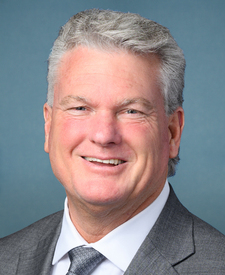
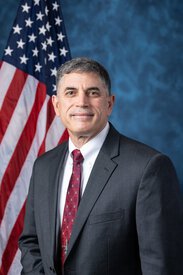
Mr. Collins (for himself, Mr. Allen, Ms. Greene of Georgia, …
Stakeholder Effects
cui bono?How this legislation distributes effects. Mention counts reflect frequency, not effect magnitude.
Communities favoring stricter immigration detention, Inadmissible noncitizens charged with theft-related offenses, Noncitizens arrested but not convicted
Positive-direction: Communities favoring stricter immigration detention
Negative-direction: Inadmissible noncitizens charged with theft-related offenses, Noncitizens arrested but not convicted
State Attorneys General and authorized State officers, State law-enforcement agencies
Department of Homeland Security, Department of State
Bill Structure & Actor Mappings
Who is "The Secretary" in each section?
- "secretary"
- → Secretary of Homeland Security
- "covered_person"
- → inadmissible noncitizen covered by INA 212(a)(6)(A), 212(a)(6)(C), or 212(a)(7) and a theft-related offense trigger
We use a combination of our own taxonomy and classification in addition to large language models to assess meaning and potential beneficiaries. High confidence means strong textual evidence. Always verify with the original bill text.
Learn more about our methodology