To amend title 5, United States Code, to clarify the nature of judicial review of agency interpretations of statutory and regulatory provisions.
Sponsors




Legislative Progress
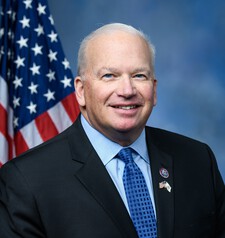
Passed HouseMr. Fitzgerald (for himself, Mrs. Miller of Illinois, Mr. Duncan, …
Passed House (inferred from eh version)
Summary
What This Bill Does
Amends the Administrative Procedure Act to require courts to decide all questions of law de novo without deferring to agency interpretations, overturning Chevron doctrine.
Who Benefits and How
Regulated parties gain independent judicial review of agency interpretations. Courts gain explicit authority to decide legal questions without deference. Separation of powers is restored.
Who Bears the Burden and How
Federal agencies lose Chevron deference. Regulatory interpretations face stricter judicial scrutiny. Administrative state power is constrained.
Key Provisions
- Courts must decide de novo all relevant questions of law
- Includes interpretation of constitutional and statutory provisions
- Includes interpretation of agency rules
- Applies to all judicial review of agency action
- No law may exempt actions from this requirement except by specific reference
Evidence Chain:
This summary is derived from the structured analysis below. See "Detailed Analysis" for per-title beneficiaries/burden bearers with clause-level evidence links.
Primary Purpose
Eliminates Chevron deference by requiring courts to decide legal questions de novo
Policy Domains
Legislative Strategy
"Restore separation of powers by ending agency deference"
Bill Structure & Actor Mappings
Who is "The Secretary" in each section?
We use a combination of our own taxonomy and classification in addition to large language models to assess meaning and potential beneficiaries. High confidence means strong textual evidence. Always verify with the original bill text.
Learn more about our methodology