Preserving Safe Communities by Ending Swatting Act of 2025
Summary
What This Bill Does
The Preserving Safe Communities by Ending Swatting Act rewrites 18 U.S.C. section 1038 so false or misleading communications are covered when they are reasonably expected to cause an emergency response and indicate a crime or public-safety threat. The criminal penalty is up to 5 years, up to 20 years if serious bodily injury results, and any term up to life if death results. The bill also creates civil liability to any party that incurs emergency or investigative response expenses, and defines emergency response to include deployment of personnel or equipment, evacuation orders or advice, and public or targeted warnings by public safety agencies or nonprofit fire and rescue organizations.
Who Benefits and How
Swatting victims benefit because federal law would more directly punish false emergency-response hoaxes that endanger homes, schools, organizations, or public figures. Local law enforcement agencies benefit because they gain a clearer federal offense for hoaxes that waste tactical, investigative, or dispatch resources. Fire and rescue organizations benefit because the civil-action provision lets responding parties seek recovery of response expenses. Schools and threatened organizations benefit from deterrence and from a definition that includes warnings to threatened establishments.
Who Bears the Burden and How
Swatting offenders face federal imprisonment, civil liability, and higher penalties when injury or death results. Federal prosecutors must apply the expanded false-communication standard and prove emergency-response causation. Federal courts must handle criminal cases and civil actions tied to response expenses. Emergency dispatch agencies must document response costs if public agencies seek civil recovery.
Key Provisions
- Expands section 1038 to cover false communications expected to cause emergency responses.
- Provides up to 5 years imprisonment, up to 20 years for serious bodily injury, and up to life if death results.
- Creates civil liability for emergency or investigative response expenses caused by swatting conduct.
- Defines emergency response to include deployment, evacuation advice, warnings, public safety agencies, and nonprofit fire or rescue organizations.
Evidence Chain:
This summary is generated from the full bill text using AI analysis. Expand "Detailed Analysis" below for identified beneficiaries/burden bearers with clause-level evidence links.
At a Glance
What This Bill Does
Expands federal false-threat law to cover swatting calls that trigger emergency responses and adds criminal penalties, civil cost recovery, and an emergency-response definition.
Key Policy Areas
Public Safety, Criminal Justice, Emergency Response
Primary Purpose
Expands federal false-threat law to cover swatting calls that trigger emergency responses and adds criminal penalties, civil cost recovery, and an emergency-response definition.
Policy Domains
Resolution provisions
Identified Gains
- Swatting victims
- Local law enforcement agencies
- Fire and rescue organizations
- Schools and threatened organizations
Identified Costs
- Swatting offenders
- Federal prosecutors
- Federal courts
- Emergency dispatch agencies
Sponsors
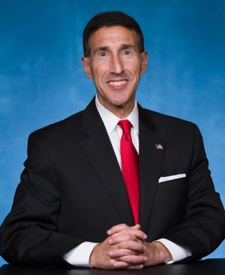

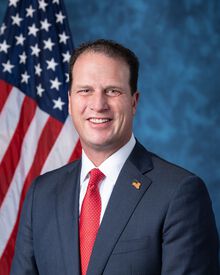
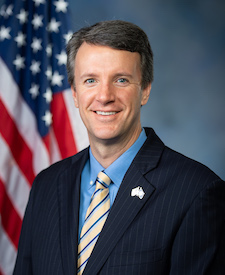

Legislative Progress
In CommitteeMr. Kustoff (for himself, Mr. Rutherford, Mr. Moskowitz, Mr. Cuellar, …
Referred to the House Committee on the Judiciary.
Introduced in House
Stakeholder Effects
cui bono?How this legislation distributes effects. Mention counts reflect frequency, not effect magnitude.
Federal prosecutors, Local law enforcement agencies, Swatting offenders
Positive-direction: Local law enforcement agencies
Negative-direction: Federal prosecutors, Swatting offenders
Bill Structure & Actor Mappings
Who is "The Secretary" in each section?
We use a combination of our own taxonomy and classification in addition to large language models to assess meaning and potential beneficiaries. High confidence means strong textual evidence. Always verify with the original bill text.
Learn more about our methodology