WISE Act
Summary
What This Bill Does
The WISE Act is a broad survivor-protection immigration bill. It tells DHS to reduce barriers for vulnerable immigrants and then rewrites multiple Immigration and Nationality Act pathways. It expands U visa eligibility to related civil or administrative violations, adds hate crime acts, child abuse, and elder abuse to qualifying activity, moves U visa petitions to DHS, removes key obstacles to employment authorization by requiring work authorization no later than 180 days after filing, and provides parole for petitioners and family members abroad when appropriate. It creates a new abused derivative alien remedy with status extension, employment authorization, adjustment, age-out protections, good-faith-marriage protection, and derivative relief. It also protects VAWA, T visa, U visa, special immigrant juvenile, and related applicants from removal until final denial, broadens humanitarian and family-unity waivers, lets immigration judges grant U visa inadmissibility waivers, removes visa caps and timing barriers for abused or neglected children, and creates naturalization relief for battered lawful permanent residents.
Who Benefits and How
Noncitizen survivors of domestic violence benefit because the bill gives them more routes to status, work authorization, waiver relief, and protection from removal while applications are pending. U visa applicants benefit because civil violations, hate crime acts, child abuse, and elder abuse can support relief and work authorization must be issued by approval or within 180 days of filing. VAWA self-petitioners benefit from stronger inadmissibility exceptions, good-faith-marriage protection, preserved petitions after remarriage, and special naturalization treatment. Special immigrant juvenile petitioners benefit because the bill removes visa-cap treatment, eliminates certain consent barriers, and allows motions to reopen without a time limit when seeking adjustment.
Who Bears the Burden and How
USCIS adjudicators must administer expanded survivor categories, work authorization deadlines, parole requests, waiver rules, and age-out protections. Immigration judges must handle broader inadmissibility-waiver authority and motions to reopen for special immigrant juvenile petitioners. Immigration and Customs Enforcement officers must refrain from removing covered survivors until final denial and review exhaustion. Abusers and traffickers lose leverage when survivors can seek work authorization, status, and removal protection without depending on the abusive relationship.
Key Provisions
- Expands U visa qualifying activity to related civil violations, hate crime acts, child abuse, and elder abuse.
- Requires DHS to provide U visa work authorization by approval or within 180 days after filing.
- Creates abused derivative alien relief with status extension, work authorization, adjustment, and age-out protections.
- Protects covered VAWA, T visa, U visa, SIJ, and cancellation applicants from removal until final denial after review.
- Authorizes immigration judges to grant U visa inadmissibility waivers and removes several SIJ visa-cap and reopening barriers.
- Provides naturalization treatment for lawful permanent residents battered by a U.S. citizen spouse, parent, son, or daughter.
Evidence Chain:
This summary is generated from the full bill text using AI analysis. Expand "Detailed Analysis" below for identified beneficiaries/burden bearers with clause-level evidence links.
At a Glance
What This Bill Does
Expands immigration protections for noncitizen survivors of domestic violence, sexual assault, trafficking, child abuse, elder abuse, hate crimes, and other qualifying harm by easing U visa, VAWA, TVPA, SIJ, waiver, work-authorization, removal, and naturalization rules.
Key Policy Areas
Immigration, Domestic Violence, Human Trafficking, Civil Rights
Primary Purpose
Expands immigration protections for noncitizen survivors of domestic violence, sexual assault, trafficking, child abuse, elder abuse, hate crimes, and other qualifying harm by easing U visa, VAWA, TVPA, SIJ, waiver, work-authorization, removal, and naturalization rules.
Policy Domains
Resolution provisions
Identified Gains
- Noncitizen survivor applicants
- U visa applicants
- T visa applicants
- VAWA self-petitioner applicants
- Special immigrant juvenile applicants
- Immigrant families seeking humanitarian relief
Identified Costs
- USCIS adjudicators
- Immigration and Customs Enforcement officers
- Department of Homeland Security parole officers
- Immigration courts
- Board of Immigration Appeals
- HHS Office of Refugee Resettlement custody officials
Sponsors
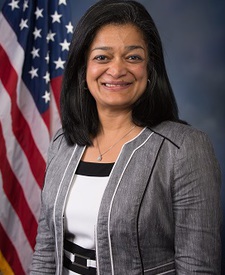
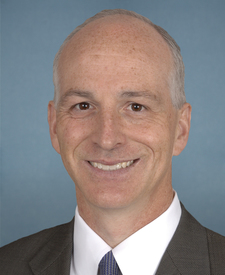
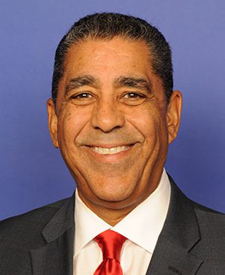
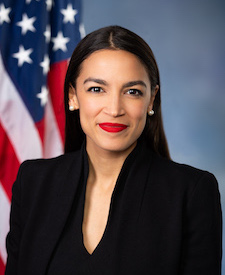
Legislative Progress
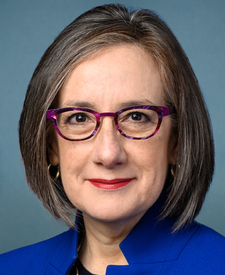
In CommitteeMs. Jayapal (for herself, Ms. Schakowsky, Mr. Espaillat, Mr. Panetta, …
Referred to the Committee on the Judiciary, and in addition …
Introduced in House
Stakeholder Effects
cui bono?How this legislation distributes effects. Mention counts reflect frequency, not effect magnitude.
Noncitizen survivors of domestic violence, Special immigrant juvenile petitioners, U visa applicants
Immigration and Customs Enforcement officers
Bill Structure & Actor Mappings
Who is "The Secretary" in each section?
We use a combination of our own taxonomy and classification in addition to large language models to assess meaning and potential beneficiaries. High confidence means strong textual evidence. Always verify with the original bill text.
Learn more about our methodology