Youth Sports Facilities Act of 2025
Summary
What This Bill Does
The Youth Sports Facilities Act amends section 201 of the Public Works and Economic Development Act of 1965 so Economic Development Administration public works assistance can support youth sports and recreational facilities. It adds youth sports to eligible public-service projects, lets facility projects include youth sports facilities, and adds new statutory purposes: reducing the health effects of sedentary lifestyles and obesity, helping highly rural communities without enough tax revenue for active-lifestyle infrastructure, serving low-income children in rural or underserved communities with limited sports access and high opioid-use or violence rates, supporting youth sports as economic development, and promoting job creation through facilities and adjacent businesses.
Who Benefits and How
Low-income children in underserved communities benefit because EDA-backed projects can target access to sports and physical-education facilities. Highly rural communities benefit because the bill recognizes their limited tax base as a reason for active-lifestyle infrastructure support. Local governments seeking EDA public works grants benefit from a new eligible project category for youth sports facilities. Youth sports facility developers benefit from a broader federal economic-development rationale for facility construction and adjacent businesses.
Who Bears the Burden and How
The Economic Development Administration must evaluate youth sports facility applications under the amended public works criteria. Grant applicants must document community health, rural, underserved, opioid-use, violence, or job-creation connections. Federal taxpayers bear the cost of any EDA grants awarded under the expanded eligibility. Competing public works applicants may face more competition for limited EDA project funds.
Key Provisions
- Adds youth sports facilities to eligible public works and economic development projects.
- Expands eligible purposes to include sedentary-lifestyle and obesity mitigation through recreational space.
- Targets highly rural communities and low-income children in rural or underserved communities lacking facilities.
- Provides an economic-development rationale for youth sports facilities and adjacent job-creating businesses.
Evidence Chain:
This summary is generated from the full bill text using AI analysis. Expand "Detailed Analysis" below for identified beneficiaries/burden bearers with clause-level evidence links.
At a Glance
What This Bill Does
Adds youth sports facilities and active-lifestyle infrastructure to eligible public works and economic development projects under the Public Works and Economic Development Act.
Key Policy Areas
Economic Development, Public Health, Recreation
Primary Purpose
Adds youth sports facilities and active-lifestyle infrastructure to eligible public works and economic development projects under the Public Works and Economic Development Act.
Policy Domains
Resolution provisions
Identified Gains
- Low-income children in underserved communities
- Highly rural communities
- Local governments seeking EDA public works grants
- Youth sports facility developers
Identified Costs
- Economic Development Administration
- Grant applicants
- Federal taxpayers
- Competing public works applicants
Sponsors
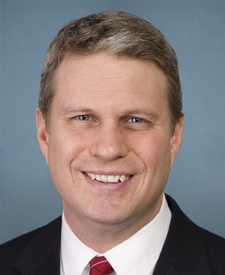


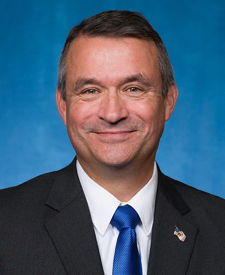
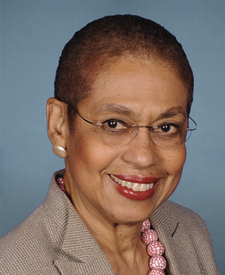
Legislative Progress
In CommitteeMr. Huizenga (for himself and Mr. Veasey) introduced the following …
Referred to the Subcommittee on Economic Development, Public Buildings, and …
Referred to the Committee on Transportation and Infrastructure, and in …
Introduced in House
Stakeholder Effects
cui bono?How this legislation distributes effects. Mention counts reflect frequency, not effect magnitude.
Local governments seeking EDA public works grants
Bill Structure & Actor Mappings
Who is "The Secretary" in each section?
We use a combination of our own taxonomy and classification in addition to large language models to assess meaning and potential beneficiaries. High confidence means strong textual evidence. Always verify with the original bill text.
Learn more about our methodology