Stop Arctic Ocean Drilling Act of 2025
Summary
What This Bill Does
The Stop Arctic Ocean Drilling Act amends the Outer Continental Shelf Lands Act to add a categorical Arctic leasing ban. It defines Arctic by cross-reference to the Arctic Research and Policy Act and then bars the Secretary of the Interior from issuing or extending any lease or other authorization for exploration, development, or production of oil, natural gas, or other minerals on Arctic areas of the outer Continental Shelf. The bill is therefore a direct limit on federal offshore leasing authority, with benefits concentrated among Arctic coastal and conservation interests and burdens concentrated on offshore energy companies and federal leasing administrators.
Who Benefits and How
Arctic coastal communities benefit because the bill reduces the risk of offshore drilling activity near subsistence, cultural, and coastal resources. Commercial fishing businesses benefit if the leasing ban lowers the chance of industrial conflicts or spill risk in Arctic marine areas. Marine conservation organizations benefit because the bill removes new federal authorizations for Arctic offshore extraction. Climate policy advocates benefit because the ban blocks new federal Arctic oil and gas leasing pathways.
Who Bears the Burden and How
Arctic offshore oil companies lose access to new or extended federal leases and authorizations in the covered outer Continental Shelf areas. The Bureau of Ocean Energy Management must stop issuing or extending covered Arctic leases or authorizations. The Bureau of Safety and Environmental Enforcement must adjust oversight expectations if no new covered operations can be authorized. Federal royalty beneficiaries may lose potential revenue from future Arctic offshore production.
Key Provisions
- Prohibits new or extended leases for Arctic outer Continental Shelf exploration, development, or production.
- Bars authorizations for oil, natural gas, and other mineral extraction in covered Arctic areas.
- Uses the Arctic Research and Policy Act definition of Arctic to define the covered region.
- Restricts Interior Department offshore leasing authority notwithstanding other statutory authority.
Evidence Chain:
This summary is generated from the full bill text using AI analysis. Expand "Detailed Analysis" below for identified beneficiaries/burden bearers.
At a Glance
What This Bill Does
Prohibits the Interior Department from issuing or extending leases or other authorizations for oil, gas, or mineral exploration, development, or production in Arctic areas of the outer Continental Shelf.
Key Policy Areas
Energy, Environment, Public Lands
Primary Purpose
Prohibits the Interior Department from issuing or extending leases or other authorizations for oil, gas, or mineral exploration, development, or production in Arctic areas of the outer Continental Shelf.
Policy Domains
Resolution provisions
Identified Gains
Contextual inference, no direct clause citation- Arctic coastal communities
- Commercial fishing businesses
- Marine conservation organizations
- Climate policy advocates
Contextual inference, no direct clause citation
Identified Costs
Contextual inference, no direct clause citation- Arctic offshore oil companies
- Bureau of Ocean Energy Management
- Bureau of Safety and Environmental Enforcement
- Federal royalty beneficiaries
Contextual inference, no direct clause citation
Sponsors


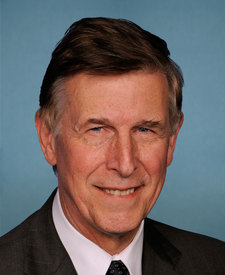

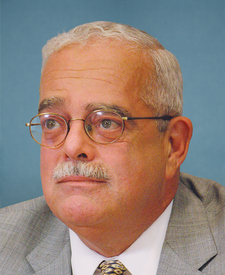
Legislative Progress
In CommitteeMr. Huffman (for himself, Mr. Levin, Ms. Bonamici, Ms. Barragán, …
Referred to the House Committee on Natural Resources.
Introduced in House
Bill Structure & Actor Mappings
Who is "The Secretary" in each section?
We use a combination of our own taxonomy and classification in addition to large language models to assess meaning and potential beneficiaries. High confidence means strong textual evidence. Always verify with the original bill text.
Learn more about our methodology