To amend title II of the Public Health Service Act to include as an additional right or privilege of commissioned officers of the Public Health Service (and their beneficiaries) certain leave provided under title 10, United States Code to commissioned officers of the Army (or their beneficiaries).
Summary
What This Bill Does
This bill gives Public Health Service Commissioned Corps officers leave parity with Army commissioned officers for the leave provisions in chapter 40 of title 10. It amends section 221(a) of the Public Health Service Act, which lists Army rights and privileges that also apply to commissioned officers of the Public Health Service and their beneficiaries, by adding Chapter 40, Leave. It also repeals section 219 of the Public Health Service Act, replacing the older PHS-specific leave provision with the title 10 chapter 40 framework. In practical terms, the bill moves Commissioned Corps leave administration closer to the military-officer model instead of leaving it under a separate Public Health Service provision.
Who Benefits and How
Public Health Service Commissioned Corps officers benefit because the same chapter 40 leave rights available to Army commissioned officers would be incorporated into their statutory rights and privileges. PHS officer families and beneficiaries benefit where chapter 40 leave provisions extend protections or entitlements to beneficiaries. Commissioned Corps personnel offices benefit from a clearer cross-reference to title 10 leave rules rather than maintaining an older standalone Public Health Service leave section. Public health agencies using Commissioned Corps officers benefit from a more standardized personnel system aligned with military leave administration.
Who Bears the Burden and How
The Department of Health and Human Services and Commissioned Corps Headquarters must update leave policies, personnel systems, guidance, and beneficiary administration to use the title 10 chapter 40 framework. Payroll and human-resources administrators must apply the new cross-reference and remove reliance on repealed section 219. Federal taxpayers may bear any cost if parity with Army leave rules expands paid leave usage or beneficiary benefits. Agency supervisors must plan staffing around any leave rights that become clearer or broader under the military model.
Key Provisions
- Adds Chapter 40, Leave to the Public Health Service Act list of Army officer rights and privileges applied to PHS commissioned officers.
- Extends the same leave cross-reference to beneficiaries where the Public Health Service Act applies Army rights to beneficiaries.
- Repeals section 219 of the Public Health Service Act so the older PHS-specific leave provision is replaced by the title 10 chapter 40 framework.
Evidence Chain:
This summary is generated from the full bill text using AI analysis. Expand "Detailed Analysis" below for identified beneficiaries/burden bearers.
At a Glance
What This Bill Does
Extends title 10 chapter 40 leave rights and privileges for Army commissioned officers to Public Health Service Commissioned Corps officers and their beneficiaries by adding Chapter 40, Leave to the Public Health Service Act cross-reference and repealing the older Public Health Service leave provision.
Key Policy Areas
Health Workforce, Federal Personnel, Military Leave
Primary Purpose
Extends title 10 chapter 40 leave rights and privileges for Army commissioned officers to Public Health Service Commissioned Corps officers and their beneficiaries by adding Chapter 40, Leave to the Public Health Service Act cross-reference and repealing the older Public Health Service leave provision.
Policy Domains
House resolution provisions
Identified Gains
Contextual inference, no direct clause citation- Public Health Service Commissioned Corps officers
- PHS officer families
- Commissioned Corps personnel offices
- Public health agencies using Commissioned Corps officers
Contextual inference, no direct clause citation
Identified Costs
Contextual inference, no direct clause citation- Department of Health and Human Services
- Commissioned Corps Headquarters
- Payroll administrators
- Federal taxpayers
- Agency supervisors
Contextual inference, no direct clause citation
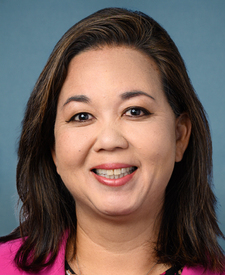
Sponsors




Legislative Progress
ReportedAdditional sponsors: Ms. Norton, Mr. Fitzpatrick, and Ms. Tokuda
Committed to the Committee of the Whole House on the …
Placed on the Union Calendar, Calendar No. 280.
Reported by the Committee on Energy and Commerce. H. Rept. …
Ordered to be Reported by the Yeas and Nays: 46 …
Committee Consideration and Mark-up Session Held
Forwarded by Subcommittee to Full Committee by Voice Vote.
Subcommittee Consideration and Mark-up Session Held
Referred to the Subcommittee on Health.
Ms. Houlahan (for herself and Mr. Bacon) introduced the following …
Bill Structure & Actor Mappings
Who is "The Secretary" in each section?
- "hhs"
- → Department of Health and Human Services
- "commissioned_corps"
- → Public Health Service Commissioned Corps
We use a combination of our own taxonomy and classification in addition to large language models to assess meaning and potential beneficiaries. High confidence means strong textual evidence. Always verify with the original bill text.
Learn more about our methodology