Public Safety Officer Concussion and Traumatic Brain Injury Health Act of 2025
Summary
What This Bill Does
The Public Safety Officer Concussion and Traumatic Brain Injury Health Act adds section 393E to the Public Health Service Act. HHS, acting through CDC, must collect and make public information on concussion and traumatic brain injury among public safety officers. That includes evidence-based practices, personal protective equipment recommendations, medical information about diagnosis, protocols for identifying and treating TBI, and measures to reduce TBI incidence among firefighters, law enforcement, and other public safety officers. CDC must update its traumatic brain injury website and disseminate information to medical and public health professionals, public safety employers and employee representatives, mental health professionals, patients and families, institutions of higher education, medical schools, public-health schools, and researchers. HHS must consult those groups while developing the website and may work with nonprofits, labor organizations, other governments, and media. The Secretary may also support model guidelines, protocols, and evidence-based practices through grants, contracts, or cooperative agreements.
Who Benefits and How
Public safety officers benefit because CDC information would focus on diagnosing, treating, and reducing concussion and TBI in their work. Firefighters benefit from public safety-specific guidance on traumatic brain injury risks from firefighting and fire protection activities. Law enforcement officers benefit from better information on protective equipment, protocols, and mental-health links tied to TBI. Medical professionals treating public safety officers benefit from CDC-curated information and model practices.
Who Bears the Burden and How
CDC traumatic brain injury staff must collect information, update the website, consult stakeholders, and disseminate materials. Public safety employers must absorb and apply new guidance on reducing TBI risk and improving care practices. Mental health professionals must integrate information on links between TBI, trauma, stress disorders, mood disorders, and suicidal ideation. Federal taxpayers bear any grant, contract, or cooperative-agreement costs used to support model guidelines and evidence-based practices.
Key Provisions
- Requires CDC to collect and publish concussion and TBI information for public safety officers.
- Directs CDC to update its traumatic brain injury website and disseminate information to medical, public-safety, mental-health, patient, family, and research audiences.
- Requires stakeholder consultation so website content fits public safety community needs.
- Authorizes support for model guidelines, protocols, and evidence-based practices through grants, contracts, or cooperative agreements.
Evidence Chain:
This summary is generated from the full bill text using AI analysis. Expand "Detailed Analysis" below for identified beneficiaries/burden bearers with clause-level evidence links.
At a Glance
What This Bill Does
Requires HHS through CDC to collect and publicly disseminate concussion and traumatic brain injury information for public safety officers, update CDC's traumatic brain injury website, consult public-safety stakeholders, and support model guidelines or evidence-based practices through grants, contracts, or cooperative agreements.
Key Policy Areas
Public Safety, Public Health, CDC
Primary Purpose
Requires HHS through CDC to collect and publicly disseminate concussion and traumatic brain injury information for public safety officers, update CDC's traumatic brain injury website, consult public-safety stakeholders, and support model guidelines or evidence-based practices through grants, contracts, or cooperative agreements.
Policy Domains
Resolution provisions
Identified Gains
- Public safety officers
- Firefighters
- Law enforcement officers
- Medical professionals treating public safety officers
Identified Costs
- CDC traumatic brain injury staff
- Public safety employers
- Mental health professionals
- Federal taxpayers
Sponsors


Legislative Progress
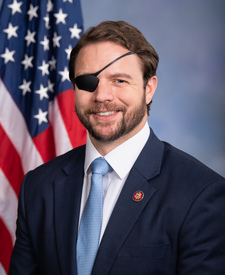
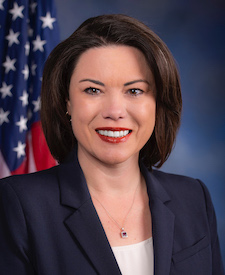
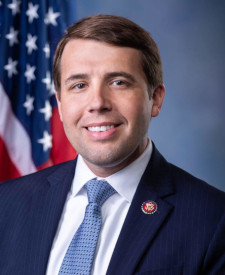
In CommitteeMr. Crenshaw (for himself, Ms. Craig, Mr. Bacon, and Ms. …
Referred to the House Committee on Energy and Commerce.
Introduced in House
Stakeholder Effects
cui bono?How this legislation distributes effects. Mention counts reflect frequency, not effect magnitude.
Firefighters, Law enforcement officers, Public safety officers
Bill Structure & Actor Mappings
Who is "The Secretary" in each section?
We use a combination of our own taxonomy and classification in addition to large language models to assess meaning and potential beneficiaries. High confidence means strong textual evidence. Always verify with the original bill text.
Learn more about our methodology