To establish a grant program in the Bureau of Consumer Financial Protection to fund the establishment of centers of excellence to support research, development and planning, implementation, and evaluation of effective programs in financial literacy education for young people and families ages 8 through 24 years old, and for other purposes.
Analysis under review: This bill has generated analysis that may be too generic or incomplete. Clause-level evidence remains available below.
Summary
What This Bill Does
The bill requires findings The Congress finds as follows: That 88 percent of Americans believe finance education should be taught in schools and 92 percent of K–12 teachers believe that financial education should be taught, creates authorization for funding the establishment of centers of excellence in financial literacy education The Consumer Financial Protection Act of 2010 (12 U.S.C, and creates authorization for funding the establishment of centers of excellence in financial literacy education The Director of the Bureau, in consultation with the Financial Literacy and Education Commission established. It relies on definition changes, appropriations, grants, and reporting requirements. The main policy areas are Education, Finance, Science & Space, and Foreign Policy.
Who Benefits and How
The main beneficiaries are the people, organizations, or agencies identified in the bill's substantive provisions.
Who Bears the Burden and How
Federal, state, or local agencies responsible for implementing the clause would take on compliance duties, Financial services firms and customers affected by the bill would take on compliance duties, and Educational institutions and students affected by the bill would take on compliance duties.
Key Provisions
- Requires findings The Congress finds as follows: That 88 percent of Americans believe finance education should be taught in schools and 92 percent of K–12 teachers believe that financial education should be taught...
- Creates authorization for funding the establishment of centers of excellence in financial literacy education The Consumer Financial Protection Act of 2010 (12 U.S.C.
- Creates authorization for funding the establishment of centers of excellence in financial literacy education The Director of the Bureau, in consultation with the Financial Literacy and Education Commission established...
Evidence Chain:
This summary is generated from the full bill text using AI analysis. Expand "Detailed Analysis" below for identified beneficiaries/burden bearers with clause-level evidence links.
At a Glance
What This Bill Does
The bill requires findings The Congress finds as follows: That 88 percent of Americans believe finance education should be taught in schools and 92 percent of K–12 teachers believe that financial education should be taught, creates authorization for funding the establishment of centers of excellence in financial literacy education The Consumer Financial Protection Act of 2010 (12 U.S.C, and creates authorization for funding the establishment of centers of excellence in financial literacy education The Director of the Bureau, in consultation with the Financial Literacy and Education Commission established.
Key Policy Areas
Education, Finance, Science & Space, Foreign Policy
Primary Purpose
The bill requires findings The Congress finds as follows: That 88 percent of Americans believe finance education should be taught in schools and 92 percent of K–12 teachers believe that financial education should be taught, creates authorization for funding the establishment of centers of excellence in financial literacy education The Consumer Financial Protection Act of 2010 (12 U.S.C, and creates authorization for funding the establishment of centers of excellence in financial literacy education The Director of the Bureau, in consultation with the Financial Literacy and Education Commission established.
Policy Domains
Whole bill
Identified Costs
- Federal, state, or local agencies responsible for implementing the clause
- Financial services firms and customers affected by the bill
- Educational institutions and students affected by the bill
- Researchers and scientific institutions affected by the bill
- Homeowners, tenants, or housing market participants affected by the bill
Sponsors
Legislative Progress
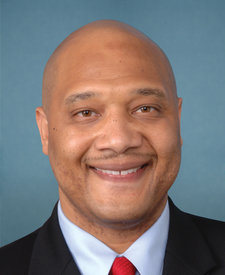
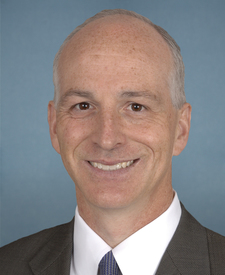
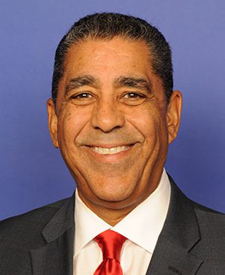
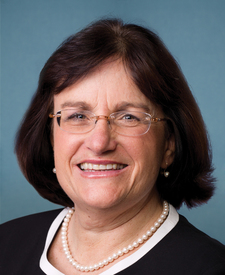
IntroducedMr. Carson (for himself, Ms. Lee of California, Ms. Barragán, …
Impact analysis is available but no clear stakeholder effects identified. View clause-level analysis →
Bill Structure & Actor Mappings
Who is "The Secretary" in each section?
We use a combination of our own taxonomy and classification in addition to large language models to assess meaning and potential beneficiaries. High confidence means strong textual evidence. Always verify with the original bill text.
Learn more about our methodology