Youth Lead Act
Summary
What This Bill Does
The Youth Lead Act is a narrow reauthorization measure. It amends section 410(d) of the Agricultural Research, Extension, and Education Reform Act of 1998 to add $5 million for each fiscal year 2026 through 2030 for grants for youth organizations. The operative effect is not a new regulatory program; it restores a multi-year authorization level for USDA-linked youth organization grants so Congress can appropriate funds for youth development, leadership, and extension-related activities under that existing authority.
Who Benefits and How
Youth organizations eligible under section 410 benefit because the bill provides a five-year authorization for grant funding. Youth program participants benefit if appropriations support leadership, development, and extension-related activities. USDA youth-program administrators benefit from a clear authorization level for fiscal years 2026 through 2030. Rural youth communities benefit if eligible organizations use grants for local youth development programming.
Who Bears the Burden and How
Federal taxpayers bear the cost if Congress appropriates the authorized $5 million per year. USDA grant managers must administer awards under the existing youth organization authority. Eligible youth organizations must compete for and comply with federal grant requirements. Appropriations committees must decide whether to fund the newly authorized amounts each fiscal year.
Key Provisions
- Authorizes $5 million for youth organization grants in each fiscal year 2026 through 2030.
- Modifies section 410(d) of the Agricultural Research, Extension, and Education Reform Act of 1998.
- Uses an existing grant authority rather than creating a new standalone program.
Evidence Chain:
This summary is generated from the full bill text using AI analysis. Expand "Detailed Analysis" below for identified beneficiaries/burden bearers with clause-level evidence links.
At a Glance
What This Bill Does
Authorizes $5 million for each fiscal year 2026 through 2030 for youth organization grants under section 410(d) of the Agricultural Research, Extension, and Education Reform Act of 1998.
Key Policy Areas
Youth Programs, Agriculture, Appropriations
Primary Purpose
Authorizes $5 million for each fiscal year 2026 through 2030 for youth organization grants under section 410(d) of the Agricultural Research, Extension, and Education Reform Act of 1998.
Policy Domains
Resolution provisions
Identified Gains
- Youth organizations eligible under section 410
- Youth program participants
- USDA youth-program administrators
- Rural youth communities
Identified Costs
- Federal taxpayers
- USDA grant managers
- Eligible youth organizations
- Appropriations committees
Sponsors


Legislative Progress
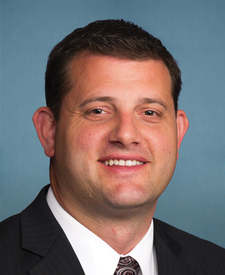
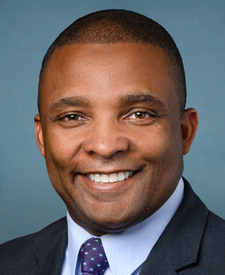
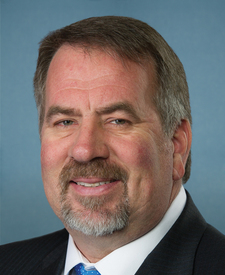
In CommitteeMr. Bacon (for himself, Mr. Valadao, Mr. Lawler, Mr. Fitzpatrick, …
Referred to the House Committee on Agriculture.
Introduced in House
Stakeholder Effects
cui bono?How this legislation distributes effects. Mention counts reflect frequency, not effect magnitude.
Youth organizations eligible under section 410
Bill Structure & Actor Mappings
Who is "The Secretary" in each section?
We use a combination of our own taxonomy and classification in addition to large language models to assess meaning and potential beneficiaries. High confidence means strong textual evidence. Always verify with the original bill text.
Learn more about our methodology