SNAP Staffing Flexibility Act of 2025
Summary
What This Bill Does
The SNAP Staffing Flexibility Act creates temporary contractor authority for State SNAP agencies when applications surge or timely processing fails because of pandemics, health emergencies, seasonal workforce cycles, temporary staffing shortages, weather, or natural disasters. A State may contract at reasonable cost for SNAP certification or other State agency functions if the contract does not incentivize delays or denials and the contractor has no direct or indirect financial interest in an approved SNAP retailer. The contractor workforce must be part of a blended workforce, cannot supplant existing merit-based personnel, must follow 5 C.F.R. 900.603 principles, and for temporary staffing shortages the authority ends once the backlog is eliminated and cannot override collective bargaining agreements or memoranda of understanding. States must notify USDA, USDA must post the notice and supporting data within 10 days, and USDA must send annual reports to the agriculture committees.
Who Benefits and How
State SNAP agencies benefit because they can add contractor capacity during application surges and processing backlogs. SNAP applicants benefit if temporary staffing flexibility reduces delays in eligibility determinations. SNAP contractors benefit from new opportunities to provide certification or administrative services to State agencies. USDA oversight staff benefit from required State notices, supporting data, and annual reporting on backlog responses.
Who Bears the Burden and How
State merit-system SNAP workers face blended-workforce arrangements, though contractors cannot supplant existing personnel. State SNAP agencies must document application increases or processing failures and notify USDA before using the authority. SNAP retailers are excluded from contractor financial interests to prevent conflicts. USDA Food and Nutrition Service staff must publish notices within 10 days and produce annual reports to Congress.
Key Provisions
- Authorizes State SNAP agencies to hire contractors for certification or other program functions during surges or processing failures.
- Prohibits contractor incentives to delay determinations or deny eligible applicants.
- Bars contractors with direct or indirect financial interests in approved SNAP retail stores.
- Requires blended-workforce use that does not supplant merit-based State personnel or override collective-bargaining agreements.
- Directs USDA to publish State notices within 10 days and report annually to congressional agriculture committees.
Evidence Chain:
This summary is generated from the full bill text using AI analysis. Expand "Detailed Analysis" below for identified beneficiaries/burden bearers with clause-level evidence links.
At a Glance
What This Bill Does
Allows State SNAP agencies to contract for certification and other SNAP functions during application surges or processing backlogs, subject to no-denial incentives, retailer-conflict bans, blended-workforce rules, USDA notice publication, annual reporting, and collective-bargaining protections.
Key Policy Areas
Nutrition Assistance, State Administration, Labor
Primary Purpose
Allows State SNAP agencies to contract for certification and other SNAP functions during application surges or processing backlogs, subject to no-denial incentives, retailer-conflict bans, blended-workforce rules, USDA notice publication, annual reporting, and collective-bargaining protections.
Policy Domains
Resolution provisions
Identified Gains
- State SNAP agencies
- SNAP applicants
- SNAP contractors
- USDA oversight staff
Identified Costs
- State merit-system SNAP workers
- State SNAP agencies
- SNAP retailers
- USDA Food and Nutrition Service staff
Sponsors

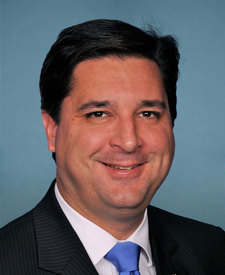
Don Bacon
R-NE | Primary Sponsor
Legislative Progress
In CommitteeMr. Bacon (for himself and Mr. Rouzer) introduced the following …
Referred to the House Committee on Agriculture.
Introduced in House
Stakeholder Effects
cui bono?How this legislation distributes effects. Mention counts reflect frequency, not effect magnitude.
State SNAP agencies, USDA Food and Nutrition Service staff
Bill Structure & Actor Mappings
Who is "The Secretary" in each section?
We use a combination of our own taxonomy and classification in addition to large language models to assess meaning and potential beneficiaries. High confidence means strong textual evidence. Always verify with the original bill text.
Learn more about our methodology