GOSAFE Act
Summary
What This Bill Does
The GOSAFE Act creates a detailed federal firearm restriction keyed to gas-operated semi-automatic firearms and magazines over 10 rounds. It defines semi-automatic firearm, gas-operated cycling systems, and large-capacity ammunition feeding devices. It makes it unlawful to import, sell, manufacture, transfer, receive, or possess prohibited listed gas-operated semi-automatic firearms, modified firearms, parts combinations that create such firearms, rate-increasing devices, and post-enactment large-capacity feeding devices. It preserves exceptions for federal, State, Tribal, and local government authority, nuclear-security licensees, pre-enactment lawful possession, and certain immediate-family transfers through a licensed dealer. It also allows Byrne Justice Assistance Grant funds for buyback programs, adds penalties, requires marking for exempt newly manufactured or imported firearms and magazines, and directs the Attorney General through ATF to issue prohibited-firearm determinations within 180 days.
Who Benefits and How
Gun violence prevention organizations benefit because the bill targets high-capacity and high-rate semi-automatic firearm configurations. State buyback programs benefit because Byrne grant funds can be used to buy back covered gas-operated firearms and large-capacity feeding devices. Public safety agencies benefit from exceptions that preserve official acquisition and possession authority. Communities exposed to mass-shooting risk benefit if restricted firearms, magazines, and rate-increasing devices become less available.
Who Bears the Burden and How
Licensed firearms manufacturers must stop producing covered firearms for ordinary commercial sale and mark exempt government or nuclear-security transfers. Licensed firearms dealers must handle compliant immediate-family transfers and cannot sell newly prohibited covered items to the general public. Large-capacity magazine owners face transfer restrictions and bans on post-enactment possession for newly manufactured devices. ATF firearms classification staff must maintain prohibited-firearm determinations and administer markings, exceptions, and enforcement support.
Key Provisions
- Defines gas-operated semi-automatic firearms and large-capacity ammunition feeding devices over 10 rounds.
- Prohibits ordinary commerce and possession of listed covered firearms, parts, rate-increasing devices, and post-enactment large-capacity devices.
- Preserves exceptions for government entities, nuclear-security licensees, preexisting lawful firearms, and certain family transfers through licensees.
- Authorizes Byrne grant use for buyback programs targeting covered firearms and large-capacity feeding devices.
- Requires the Attorney General through ATF to issue prohibited-firearm determinations within 180 days.
Evidence Chain:
This summary is generated from the full bill text using AI analysis. Expand "Detailed Analysis" below for identified beneficiaries/burden bearers with clause-level evidence links.
At a Glance
What This Bill Does
Restricts import, sale, manufacture, transfer, receipt, and possession of listed gas-operated semi-automatic firearms, rate-increasing devices, parts combinations, and large-capacity ammunition feeding devices, while creating exceptions for government use, nuclear-security licensees, preexisting lawful firearms, and certain family transfers.
Key Policy Areas
Firearms, Public Safety, Criminal Justice
Primary Purpose
Restricts import, sale, manufacture, transfer, receipt, and possession of listed gas-operated semi-automatic firearms, rate-increasing devices, parts combinations, and large-capacity ammunition feeding devices, while creating exceptions for government use, nuclear-security licensees, preexisting lawful firearms, and certain family transfers.
Policy Domains
Resolution provisions
Identified Gains
- Gun violence prevention organizations
- State buyback programs
- Public safety agencies
- Communities exposed to mass-shooting risk
Identified Costs
- Licensed firearms manufacturers
- Licensed firearms dealers
- Large-capacity magazine owners
- ATF firearms classification staff
Sponsors




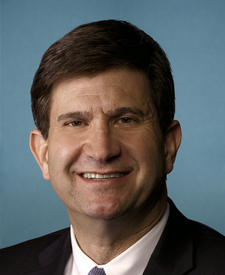
Legislative Progress
In CommitteeMrs. McBath (for herself, Mr. Johnson of Georgia, Mr. Krishnamoorthi, …
Referred to the House Committee on the Judiciary.
Introduced in House
Stakeholder Effects
cui bono?How this legislation distributes effects. Mention counts reflect frequency, not effect magnitude.
ATF firearms classification staff, State buyback programs
Bill Structure & Actor Mappings
Who is "The Secretary" in each section?
We use a combination of our own taxonomy and classification in addition to large language models to assess meaning and potential beneficiaries. High confidence means strong textual evidence. Always verify with the original bill text.
Learn more about our methodology