Adult Education WORKS Act
Summary
What This Bill Does
The Adult Education WORKS Act is a broad WIOA adult-education modernization bill. It defines college and career navigators as case-management and guidance staff who help people use workforce, postsecondary, financial-aid, training, digital-literacy, information-literacy, co-enrollment, and job-readiness services. It requires State and local workforce boards to include or consult adult education providers, authorizes public libraries as one-stop access points, creates a new library-based and community-based navigator grant program at $135 million for FY2026 and each of the next four fiscal years, adds digital and information literacy to career services, revises adult education definitions and accountability measures, lets eligible agencies pilot alternative performance systems for up to five years with Education Department approval and IES evaluation, requires public matching-fund transparency, expands State leadership activities for family literacy and professional standards, updates eligible-provider provisions, expands national leadership activities for professionalization and technical assistance, and refocuses integrated English literacy and civics education on full economic, educational, and civic participation.
Who Benefits and How
Adult learners benefit because navigators would help them connect basic skills, workforce programs, postsecondary options, financial aid, and job-readiness services. Public libraries benefit because they can serve as workforce access points and participate in navigator partnerships. Community-based organizations benefit from eligibility for navigator grants and partnerships with State or local workforce boards. Adult education providers benefit from professionalization support, family-literacy models, alternative performance measures, and stronger representation in workforce planning.
Who Bears the Burden and How
The Department of Education must approve accountability pilots within 90 days, oversee IES evaluations, provide technical assistance, and report results. State workforce agencies must publish matching-fund information, coordinate with adult education providers, and manage new planning expectations. Eligible adult education providers must report alternative indicators, participate in outreach, and adapt to new professional standards where adopted. Federal taxpayers bear the $135 million annual authorization for navigator grants plus expanded technical-assistance and evaluation activities.
Key Provisions
- Creates college and career navigator roles and authorizes library-based or community-based navigator grants.
- Authorizes $135 million for FY2026 and each of the four succeeding fiscal years for section 171A navigator grants.
- Adds digital literacy, information literacy, adult education coordination, and public-library access points to WIOA systems.
- Establishes innovative adult education performance-accountability pilots with up to five-year periods and IES evaluation.
- Requires public matching-fund transparency and expands professionalization, family literacy, and integrated English literacy activities.
Evidence Chain:
This summary is generated from the full bill text using AI analysis. Expand "Detailed Analysis" below for identified beneficiaries/burden bearers with clause-level evidence links.
At a Glance
What This Bill Does
Reworks WIOA and the Adult Education and Family Literacy Act by adding college and career navigators, library and community-based navigator grants authorized at $135 million annually from FY2026 through FY2030, digital and information literacy, adult education representation, innovative accountability pilots, matching-fund transparency, professionalization of adult education, family literacy, and integrated English literacy reforms.
Key Policy Areas
Education, Workforce Development, Libraries
Primary Purpose
Reworks WIOA and the Adult Education and Family Literacy Act by adding college and career navigators, library and community-based navigator grants authorized at $135 million annually from FY2026 through FY2030, digital and information literacy, adult education representation, innovative accountability pilots, matching-fund transparency, professionalization of adult education, family literacy, and integrated English literacy reforms.
Policy Domains
Resolution provisions
Identified Gains
- Adult learners
- Public libraries
- Community-based organizations
- Adult education providers
Identified Costs
- Department of Education
- State workforce agencies
- Eligible adult education providers
- Federal taxpayers
Sponsors
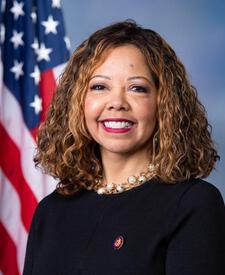
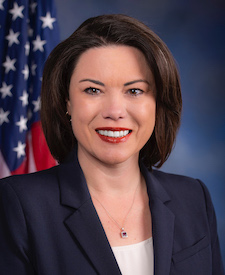

Legislative Progress
In CommitteeMrs. McBath (for herself and Mr. Mrvan) introduced the following …
Referred to the House Committee on Education and Workforce.
Introduced in House
Stakeholder Effects
cui bono?How this legislation distributes effects. Mention counts reflect frequency, not effect magnitude.
Adult education providers, Adult learners, Public libraries
Bill Structure & Actor Mappings
Who is "The Secretary" in each section?
We use a combination of our own taxonomy and classification in addition to large language models to assess meaning and potential beneficiaries. High confidence means strong textual evidence. Always verify with the original bill text.
Learn more about our methodology