Stopping the Theft and Destruction of Broadband Act of 2025
Summary
What This Bill Does
The Stopping the Theft and Destruction of Broadband Act amends 18 U.S.C. 1362, the federal statute covering destruction or interference with communications facilities. It adds facilities used to provide broadband internet access service to the protected communications infrastructure, removes language limiting the provision to facilities used for military or civil defense functions, and extends coverage beyond facilities operated or controlled by the United States to those operated or controlled by any other person or entity. It defines broadband internet access service as mass-market retail wire or radio service that can transmit data to and from substantially all internet endpoints, excluding dial-up, and includes FCC-designated functional equivalents.
Who Benefits and How
Broadband providers benefit because federal criminal law more clearly covers theft or destruction of their internet access facilities. Broadband subscribers benefit if stronger federal protection reduces outages caused by vandalism or infrastructure theft. Rural broadband communities benefit because damage to local broadband facilities can have outsized service effects where backup networks are limited. Federal prosecutors benefit from a clearer statutory hook for cases involving broadband internet access infrastructure.
Who Bears the Burden and How
Broadband vandals face expanded federal criminal exposure for damaging broadband internet access facilities. Telecommunications thieves face greater risk when stealing or destroying cable, fiber, radios, or other broadband infrastructure. Defense counsel in broadband infrastructure cases must litigate a broader communications-facility statute. The Federal Communications Commission may affect coverage by identifying functional equivalents of broadband internet access service.
Key Provisions
- Adds broadband internet access service facilities to the federal communications-destruction statute.
- Extends the statute beyond government-operated facilities to facilities operated or controlled by any person or entity.
- Repeals the limitation tying covered facilities to military or civil-defense functions.
- Defines broadband internet access service to include mass-market wire or radio service and FCC-identified functional equivalents.
Evidence Chain:
This summary is generated from the full bill text using AI analysis. Expand "Detailed Analysis" below for identified beneficiaries/burden bearers with clause-level evidence links.
At a Glance
What This Bill Does
Expands the federal communications-destruction crime to cover facilities used to provide mass-market broadband internet access service, including functionally equivalent services identified by the FCC.
Key Policy Areas
Broadband, Criminal Justice, Telecommunications
Primary Purpose
Expands the federal communications-destruction crime to cover facilities used to provide mass-market broadband internet access service, including functionally equivalent services identified by the FCC.
Policy Domains
Resolution provisions
Identified Gains
- Broadband providers
- Broadband subscribers
- Rural broadband communities
- Federal prosecutors
Identified Costs
- Broadband vandals
- Telecommunications thieves
- Defense counsel in broadband cases
- Federal Communications Commission
Sponsors
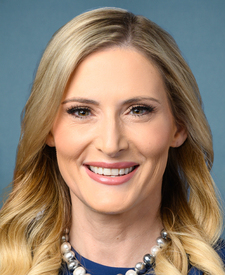
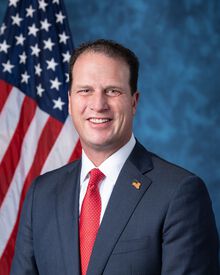
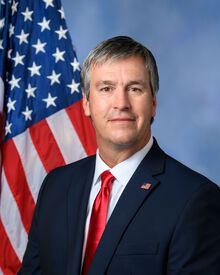


Legislative Progress
In CommitteeMs. Lee of Florida (for herself and Mr. Veasey) introduced …
Referred to the House Committee on the Judiciary.
Introduced in House
Stakeholder Effects
cui bono?How this legislation distributes effects. Mention counts reflect frequency, not effect magnitude.
Broadband providers, Broadband subscribers
Federal Communications Commission, Federal prosecutors
Bill Structure & Actor Mappings
Who is "The Secretary" in each section?
We use a combination of our own taxonomy and classification in addition to large language models to assess meaning and potential beneficiaries. High confidence means strong textual evidence. Always verify with the original bill text.
Learn more about our methodology