BRAIN Act
Summary
What This Bill Does
The BRAIN Act is a brain-tumor research and access package. It starts from findings that more than 1 million people in the United States are living with a brain tumor, about 94,000 primary brain tumors were estimated in 2023, pediatric brain tumors are the leading cancer-related cause of death for people age 19 and younger, and glioblastoma has a 6.9 percent five-year relative survival rate. The bill requires NIH-funded brain tumor biospecimen collections to report location and contact information, lets NIH run searchable public websites, and allows funding to be withheld for repeated or egregious reporting violations. It authorizes a National Cancer Institute Glioblastoma Therapeutics Network at $50 million for each fiscal year 2026 through 2030, a brain tumor CAR-T and cellular-immunotherapy team-science award at $10 million for each fiscal year 2026 through 2030, a national cancer clinical-trials and biomarker-testing awareness campaign, demonstration grants for outreach strategies, and pilot programs for monitoring and caring for brain tumor survivors.
Who Benefits and How
Brain tumor patients benefit because the bill funds treatment-development networks, CAR-T research, biomarker awareness, and survivor-care models. Pediatric brain tumor patients benefit because the cellular-immunotherapy awards cover adult and pediatric brain tumors. Cancer researchers benefit from searchable NIH-funded biospecimen collection information and dedicated cooperative-agreement funding. Rural cancer patients benefit because the awareness campaign must target communities with historically low clinical-trial participation.
Who Bears the Burden and How
Biospecimen collection maintainers must report existing collections within 180 days and new collections within 60 days. The National Cancer Institute must transition and administer the Glioblastoma Therapeutics Network and cellular-immunotherapy awards. HHS campaign staff must produce written materials, public service announcements, culturally competent outreach, and demonstration grants. Federal taxpayers bear the authorized costs for NIH and HHS activities through fiscal year 2030.
Key Provisions
- Requires reporting of NIH-funded brain tumor biospecimen collections and authorizes funding withholding for repeated or egregious violations.
- Authorizes $50 million per year from FY2026 through FY2030 for a Glioblastoma Therapeutics Network.
- Authorizes $10 million per year from FY2026 through FY2030 for CAR-T and cellular-immunotherapy team science on brain tumors.
- Directs HHS to run a national cancer clinical-trials and biomarker-testing awareness campaign.
- Creates demonstration projects and survivor-care pilots focused on brain tumor treatment access and long-term monitoring.
Evidence Chain:
This summary is generated from the full bill text using AI analysis. Expand "Detailed Analysis" below for identified beneficiaries/burden bearers with clause-level evidence links.
At a Glance
What This Bill Does
Creates NIH and HHS programs for brain tumor research, biospecimen transparency, glioblastoma therapeutics, CAR-T team science, clinical-trial and biomarker awareness, and survivor-care pilots, with dedicated authorizations through fiscal year 2030.
Key Policy Areas
Health Research, Cancer, NIH
Primary Purpose
Creates NIH and HHS programs for brain tumor research, biospecimen transparency, glioblastoma therapeutics, CAR-T team science, clinical-trial and biomarker awareness, and survivor-care pilots, with dedicated authorizations through fiscal year 2030.
Policy Domains
Resolution provisions
Identified Gains
- Brain tumor patients
- Pediatric brain tumor patients
- Cancer researchers
- Rural cancer patients
Identified Costs
- Biospecimen collection maintainers
- National Cancer Institute
- HHS campaign staff
- Federal taxpayers
Sponsors


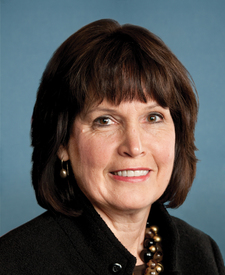
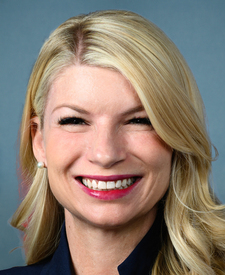
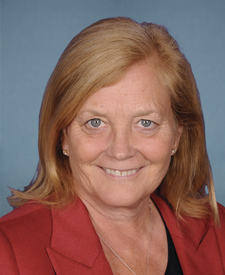
Legislative Progress
In CommitteeMr. Fitzpatrick (for himself, Mrs. Trahan, Mr. Joyce of Pennsylvania, …
Referred to the House Committee on Energy and Commerce.
Introduced in House
Stakeholder Effects
cui bono?How this legislation distributes effects. Mention counts reflect frequency, not effect magnitude.
Biospecimen collection maintainers, Brain tumor patients, Pediatric brain tumor patients
Bill Structure & Actor Mappings
Who is "The Secretary" in each section?
We use a combination of our own taxonomy and classification in addition to large language models to assess meaning and potential beneficiaries. High confidence means strong textual evidence. Always verify with the original bill text.
Learn more about our methodology