Protecting Military Installations and Ranges Act of 2025
Summary
What This Bill Does
The Protecting Military Installations and Ranges Act expands the CFIUS real-estate trigger for adversary-linked transactions. It covers purchases, leases, and concessions by foreign persons tied to Russia, China, Iran, or North Korea when the property is within 100 miles of a military installation or within 50 miles of military training routes, special-use airspace, controlled firing areas, or military operations areas. It requires CFIUS to initiate review of those transactions and notify relevant Members of Congress. It also ties energy-project permitting to the CFIUS process: DoD cannot complete its energy-project review while CFIUS is reviewing the land, and DOT cannot issue a structure determination until CFIUS and DoD action is complete.
Who Benefits and How
Military installation commanders benefit because adversary-linked real estate near bases and training airspace receives mandatory national-security review. Department of Defense reviewers benefit from explicit authority to delay energy-project review while CFIUS evaluates the underlying land transaction. Members of Congress representing affected areas benefit because they receive notice of covered transactions near installations or military airspace. Communities near military ranges benefit if sensitive training routes and airspace receive stronger protection from adversary-linked property control.
Who Bears the Burden and How
Foreign adversary-linked buyers face mandatory CFIUS scrutiny for real estate purchases, leases, and concessions in covered zones. Energy project developers near military installations must wait for CFIUS and DoD action before DOT can complete relevant structure determinations. CFIUS member agencies must initiate and process additional covered real-estate reviews. Transportation Department aviation staff must delay determinations for proposed structures on land under CFIUS review.
Key Provisions
- Adds covered CFIUS jurisdiction for adversary-linked real estate within 100 miles of installations or 50 miles of military training airspace.
- Requires CFIUS to initiate review of those covered real estate transactions.
- Requires notice to Senators and House Members representing the affected installation, route, airspace, or area.
- Bars completion of DoD and DOT energy-project reviews until CFIUS action on the underlying property is complete.
Evidence Chain:
This summary is generated from the full bill text using AI analysis. Expand "Detailed Analysis" below for identified beneficiaries/burden bearers with clause-level evidence links.
At a Glance
What This Bill Does
Requires CFIUS review of certain Russia-, China-, Iran-, and North Korea-linked real estate transactions near military installations and military airspace, and pauses related energy-project approvals while CFIUS reviews the land transaction.
Key Policy Areas
National Security, Foreign Investment, Energy Permitting
Primary Purpose
Requires CFIUS review of certain Russia-, China-, Iran-, and North Korea-linked real estate transactions near military installations and military airspace, and pauses related energy-project approvals while CFIUS reviews the land transaction.
Policy Domains
Resolution provisions
Identified Gains
- Military installation commanders
- Department of Defense reviewers
- Members of Congress representing affected areas
- Communities near military ranges
Identified Costs
- Foreign adversary-linked buyers
- Energy project developers near military installations
- CFIUS member agencies
- Transportation Department aviation staff
Sponsors

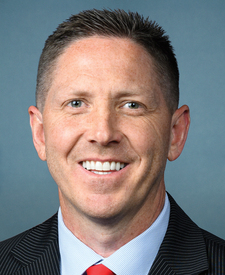
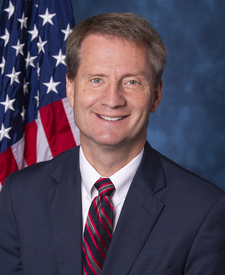
Legislative Progress
In CommitteeMr. Arrington (for himself and Mr. Burchett) introduced the following …
Referred to the Committee on Financial Services, and in addition …
Introduced in House
Stakeholder Effects
cui bono?How this legislation distributes effects. Mention counts reflect frequency, not effect magnitude.
Department of Defense reviewers, Military installation commanders
Energy project developers near military installations
Bill Structure & Actor Mappings
Who is "The Secretary" in each section?
We use a combination of our own taxonomy and classification in addition to large language models to assess meaning and potential beneficiaries. High confidence means strong textual evidence. Always verify with the original bill text.
Learn more about our methodology