To require approval from Congress for a certain reduction of Federal Aviation Administration workforce, and for other purposes.
Analysis under review: This bill has generated analysis that may be too generic or incomplete. Clause-level evidence remains available below.
Summary
What This Bill Does
The Air Traffic Controller Protection Act protects the Federal Aviation Administration workforce from downsizing and privatization. It requires Congress to approve any decision by the Secretary of Transportation to reduce, replace, or outsource 1% or more of FAA employees. The bill also blocks the Department of Governmental Efficiency from controlling FAA operations and prohibits privatizing the air traffic control system.
Who Benefits and How
FAA employees and air traffic controllers benefit by gaining strong job protections against workforce reductions and privatization efforts. Federal employee unions representing these workers benefit from greater job security for their members, which strengthens their bargaining position. Aviation safety advocates who support federal oversight of air traffic control benefit from the ban on privatization.
Who Bears the Burden and How
The Department of Governmental Efficiency is explicitly barred from exercising control over the FAA, limiting its authority to recommend workforce changes. Private contractors and outsourcing firms lose potential revenue opportunities from taking over FAA functions or air traffic control operations. The Secretary of Transportation faces new constraints on workforce management and must submit detailed reports to Congress before seeking approval for any significant staffing changes.
Key Provisions
- Requires Congressional approval before the Secretary of Transportation can reduce, replace, or outsource 1% or more of the FAA workforce
- Mandates a detailed report to Congress explaining the rationale and impact analysis before seeking workforce reduction approval
- Prohibits the Department of Governmental Efficiency from exercising any control over FAA operations
- Bans privatization or outsourcing of the air traffic control system
Evidence Chain:
This summary is generated from the full bill text using AI analysis. Expand "Detailed Analysis" below for identified beneficiaries/burden bearers.
At a Glance
What This Bill Does
Requires Congressional approval before the FAA workforce can be reduced, replaced, or outsourced, and prohibits privatization of air traffic control.
Who Benefits
- FAA employees and air traffic controllers
- Federal employee unions representing FAA workers
- Aviation safety advocates who prefer federal oversight
Who Bears Costs
- Department of Governmental Efficiency (limited authority over FAA)
- Private contractors seeking FAA work
- Executive branch officials seeking workforce flexibility
Key Policy Areas
Transportation, Government Operations, Aviation Safety, Federal Workforce
Primary Purpose
Requires Congressional approval before the FAA workforce can be reduced, replaced, or outsourced, and prohibits privatization of air traffic control.
Policy Domains
Legislative Strategy
"Protect federal aviation workforce from executive actions aimed at downsizing or privatizing FAA operations, particularly from the Department of Governmental Efficiency"
Identified Gains
- FAA employees and air traffic controllers
- Federal employee unions representing FAA workers
- Aviation safety advocates who prefer federal oversight
Identified Costs
- Department of Governmental Efficiency (limited authority over FAA)
- Private contractors seeking FAA work
- Executive branch officials seeking workforce flexibility
Legislative Progress
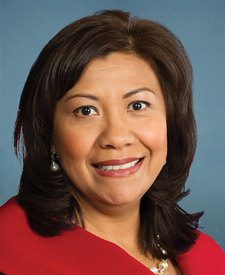
IntroducedMrs. Torres of California introduced the following bill; which was …
Stakeholder Effects
cui bono?How this legislation distributes effects. Mention counts reflect frequency, not effect magnitude.
Congress (legislative oversight), Department of Governmental Efficiency, FAA employees and air traffic controllers
Positive-direction: FAA employees and air traffic controllers
Negative-direction: Department of Governmental Efficiency, Secretary of Transportation and DOT leadership
Bill Structure & Actor Mappings
Who is "The Secretary" in each section?
- "the_secretary"
- → Secretary of Transportation
- "the_administrator"
- → Administrator of the Department of Governmental Efficiency
Key Definitions
Terms defined in this bill
The threshold at which Congressional approval is required for workforce reduction, replacement, or outsourcing of FAA staff
We use a combination of our own taxonomy and classification in addition to large language models to assess meaning and potential beneficiaries. High confidence means strong textual evidence. Always verify with the original bill text.
Learn more about our methodology