To support the sustainable aviation fuel market, and for other purposes.
Summary
What This Bill Does
The bill provides definitions In this Act: The term sustainable aviation fuel means liquid fuel consisting of synthesized hydrocarbons that— meets the requirements of a Department of Defense specification for military jet fuel, creates grant program The Secretary of Transportation, in consultation with the Administrator of the Environmental Protection Agency, shall carry out a competitive grant and cost-sharing agreement program for eligible, and provides low carbon aviation fuel standard Section 211 of the Clean Air Act (42 U.S.C. It relies on compliance mandates, definition changes, appropriations, and product standards. The main policy areas are Transportation, Environmental Groups, Environment, and Energy.
Who Benefits and How
Environmental and public health interests affected by the bill could gain revenue opportunities, Aviation operators and passengers affected by the bill could gain revenue opportunities, and Transportation operators and users affected by the bill could face lower compliance burdens.
Who Bears the Burden and How
Federal, state, or local agencies responsible for implementing the clause would take on compliance duties, Energy producers and energy supply-chain firms affected by the bill would take on compliance duties, and Aviation operators and passengers affected by the bill would take on compliance duties.
Key Provisions
- Provides definitions In this Act: The term sustainable aviation fuel means liquid fuel consisting of synthesized hydrocarbons that— meets the requirements of a Department of Defense specification for military jet fuel...
- Creates grant program The Secretary of Transportation, in consultation with the Administrator of the Environmental Protection Agency, shall carry out a competitive grant and cost-sharing agreement program for eligible...
- Provides low carbon aviation fuel standard Section 211 of the Clean Air Act (42 U.S.C.
- Requires procurement of sustainable aviation fuel by the department of defense Effective October 1, 2025, the Secretary of Defense shall make a bulk purchase of an amount of sustainable aviation fuel that is not less...
- Provides federal aviation administration research Section 911(a) of the FAA Modernization and Reform Act of 2012 (49 U.S.C.
Evidence Chain:
This summary is generated from the full bill text using AI analysis. Expand "Detailed Analysis" below for identified beneficiaries/burden bearers with clause-level evidence links.
At a Glance
What This Bill Does
The bill provides definitions In this Act: The term sustainable aviation fuel means liquid fuel consisting of synthesized hydrocarbons that— meets the requirements of a Department of Defense specification for military jet fuel, creates grant program The Secretary of Transportation, in consultation with the Administrator of the Environmental Protection Agency, shall carry out a competitive grant and cost-sharing agreement program for eligible, and provides low carbon aviation fuel standard Section 211 of the Clean Air Act (42 U.S.C.
Key Policy Areas
Transportation, Environmental Groups, Environment, Energy
Primary Purpose
The bill provides definitions In this Act: The term sustainable aviation fuel means liquid fuel consisting of synthesized hydrocarbons that— meets the requirements of a Department of Defense specification for military jet fuel, creates grant program The Secretary of Transportation, in consultation with the Administrator of the Environmental Protection Agency, shall carry out a competitive grant and cost-sharing agreement program for eligible, and provides low carbon aviation fuel standard Section 211 of the Clean Air Act (42 U.S.C.
Policy Domains
Whole bill
Identified Gains
- Environmental and public health interests affected by the bill
- Aviation operators and passengers affected by the bill
- Transportation operators and users affected by the bill
- Energy producers and energy supply-chain firms affected by the bill
- Agricultural producers and rural communities affected by the bill
Identified Costs
- Federal, state, or local agencies responsible for implementing the clause
- Energy producers and energy supply-chain firms affected by the bill
- Aviation operators and passengers affected by the bill
- Public beneficiaries or protected communities affected by the clause
Sponsors

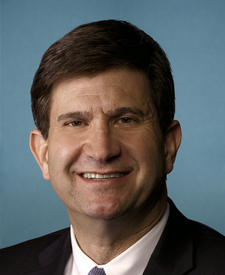
Legislative Progress
IntroducedMs. Brownley (for herself and Mr. Schneider) introduced the following …
Impact analysis is available but no clear stakeholder effects identified. View clause-level analysis →
Bill Structure & Actor Mappings
Who is "The Secretary" in each section?
We use a combination of our own taxonomy and classification in addition to large language models to assess meaning and potential beneficiaries. High confidence means strong textual evidence. Always verify with the original bill text.
Learn more about our methodology