Raise the Wage Act of 2025
Summary
What This Bill Does
The Raise the Wage Act rewrites the Fair Labor Standards Act wage floor. It moves the regular federal minimum wage from the current statutory level to $9.50 at enactment, then $11.00, $12.50, $14.00, $15.50, and $17.00 over five years, followed by annual indexing to Bureau of Labor Statistics median hourly wage growth. It separately raises the tipped cash wage to $17 over six years, ends the separate tipped wage after that phase-in, raises the youth wage from $4.25 toward parity, requires Department of Labor public notices before increases, and phases out 14(c) special certificates that allow subminimum wages for workers with disabilities.
Who Benefits and How
Hourly workers paid near the federal minimum benefit because their statutory wage floor rises to $17 and then follows median wage growth. Tipped employees benefit because the cash wage floor rises from subminimum levels to the full section 6(a)(1) minimum wage. Workers with disabilities employed under 14(c) certificates benefit because new certificates are barred and existing subminimum certificates sunset after the phase-in. Young newly hired workers benefit because the youth subminimum wage rises from $4.25 and is eventually repealed.
Who Bears the Burden and How
Low-wage employers must absorb higher payroll costs, update wage systems, and comply with each scheduled increase. Restaurants and other tipped-wage employers lose the separate tipped-credit wage structure after the phase-in. 14(c) certificate employers must transition workers with disabilities away from subminimum wage arrangements. The Department of Labor must calculate indexed wage amounts, publish notices, and provide transition assistance.
Key Provisions
- Raises the regular federal minimum wage to $17 over five years and indexes later increases to median hourly wage growth.
- Raises the tipped cash wage to $17 over six years and then requires tipped employees to receive the regular minimum wage.
- Raises and then repeals the youth subminimum wage for newly hired workers under age 20.
- Bars new 14(c) special certificates and sunsets existing subminimum-wage authority for workers with disabilities.
- Requires the Secretary of Labor to publish wage-increase notices in the Federal Register and on the Department of Labor website.
Evidence Chain:
This summary is generated from the full bill text using AI analysis. Expand "Detailed Analysis" below for identified beneficiaries/burden bearers with clause-level evidence links.
At a Glance
What This Bill Does
Raises the federal minimum wage to $17 over five years, indexes future increases to median wages, phases out the tipped and youth subminimum wages, and sunsets new 14(c) special minimum-wage certificates for workers with disabilities.
Key Policy Areas
Labor, Wages, Disability Employment
Primary Purpose
Raises the federal minimum wage to $17 over five years, indexes future increases to median wages, phases out the tipped and youth subminimum wages, and sunsets new 14(c) special minimum-wage certificates for workers with disabilities.
Policy Domains
Resolution provisions
Identified Gains
- Minimum-wage workers
- Tipped employees
- Workers with disabilities
- Young newly hired workers
Identified Costs
- Low-wage employers
- Tipped-wage employers
- 14(c) certificate employers
- Department of Labor wage staff
Sponsors
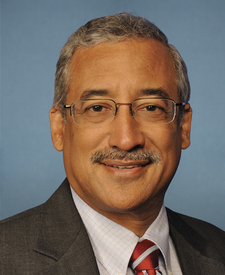

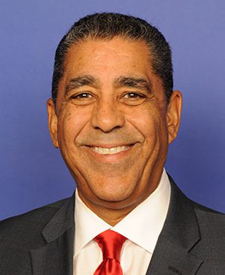

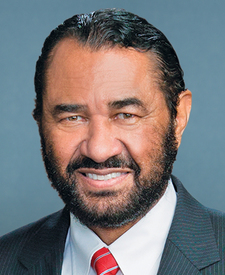
Legislative Progress
In CommitteeMr. Scott of Virginia (for himself, Mr. Casar, Mrs. Hayes, …
Referred to the House Committee on Education and Workforce.
Introduced in House
Stakeholder Effects
cui bono?How this legislation distributes effects. Mention counts reflect frequency, not effect magnitude.
Minimum-wage workers, Tipped employees, Workers with disabilities
Bill Structure & Actor Mappings
Who is "The Secretary" in each section?
We use a combination of our own taxonomy and classification in addition to large language models to assess meaning and potential beneficiaries. High confidence means strong textual evidence. Always verify with the original bill text.
Learn more about our methodology