Strengthening Child Exploitation Enforcement Act
Summary
What This Bill Does
The Strengthening Child Exploitation Enforcement Act amends several title 18 provisions. It adds obtaining a person by fraud or deception to kidnapping language, and for certain kidnapping offenses involving victims under 16, it makes victim consent unavailable as a defense unless the offender proves a reasonable belief that the victim was at least 16. It changes the aggravated sexual abuse of children jurisdiction phrase from crossing a State line to traveling in interstate or foreign commerce. It creates an offense for knowingly causing a person under 16 to engage in intentional genital touching, not through clothing, in federal territorial, maritime, prison, or federally contracted custody settings when the conduct would violate listed sexual abuse provisions if it were a sexual act. It makes attempts punishable the same as completed abusive sexual contact offenses, updates language for causing sexual contact or attempted contact, and broadens illicit sexual conduct with minors from a sexual act to conduct involving the minor. The section 2241(c) amendment applies to conduct before, on, or after enactment.
Who Benefits and How
Children under 16 benefit because the bill narrows consent defenses and adds penalties for causing sexually abusive touching. Child exploitation prosecutors benefit from broader kidnapping, sexual abuse, attempt, and illicit conduct tools. Federal prison and custody victims benefit because the new touching offense covers federal prisons and facilities holding people under federal authority. Families of child victims benefit from stronger federal enforcement options for deception-based kidnapping or sexual exploitation.
Who Bears the Burden and How
Defendants accused of child kidnapping or sexual abuse face broader offense language and higher exposure for attempts. Federal courts must apply revised title 18 elements, retroactivity language, and new evidentiary burdens. Criminal defense attorneys must litigate reasonable-belief defenses and expanded conduct definitions. Federal correctional administrators may face added investigation and reporting demands for covered custody settings.
Key Provisions
- Expands kidnapping statutes to cover obtaining a person by fraud or deception.
- Limits consent defenses for certain offenses involving victims under 16.
- Creates a federal offense for causing intentional genital touching by a person under 16 in covered federal jurisdictions or custody settings.
- Tightens attempt penalties and broadens illicit sexual conduct definitions involving minors.
Evidence Chain:
This summary is generated from the full bill text using AI analysis. Expand "Detailed Analysis" below for identified beneficiaries/burden bearers with clause-level evidence links.
At a Glance
What This Bill Does
Expands federal kidnapping, sexual abuse, abusive sexual contact, and illicit sexual conduct statutes involving minors by adding deception-based kidnapping language, minor-consent limits, attempted-contact penalties, and broader conduct definitions.
Key Policy Areas
Criminal Justice, Child Protection, Public Safety
Primary Purpose
Expands federal kidnapping, sexual abuse, abusive sexual contact, and illicit sexual conduct statutes involving minors by adding deception-based kidnapping language, minor-consent limits, attempted-contact penalties, and broader conduct definitions.
Policy Domains
Resolution provisions
Identified Gains
- Children under 16
- Child exploitation prosecutors
- Federal custody victims
- Families of child victims
Identified Costs
- Child exploitation defendants
- Federal courts
- Criminal defense attorneys
- Federal correctional administrators
Sponsors

Legislative Progress
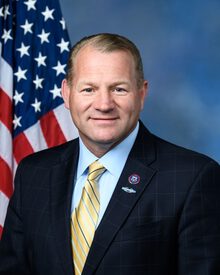
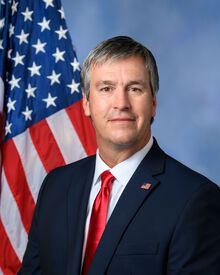
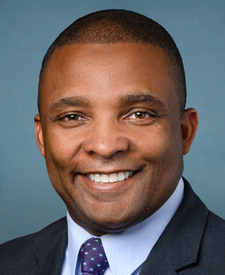
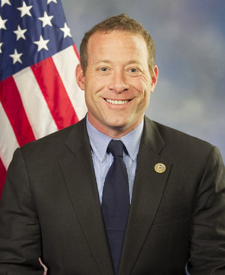
In CommitteeMr. Nehls (for himself, Ms. Dean of Pennsylvania, Mr. Davis …
Referred to the House Committee on the Judiciary.
Introduced in House
Stakeholder Effects
cui bono?How this legislation distributes effects. Mention counts reflect frequency, not effect magnitude.
Child exploitation prosecutors, Federal courts
Positive-direction: Child exploitation prosecutors
Negative-direction: Federal courts
Bill Structure & Actor Mappings
Who is "The Secretary" in each section?
We use a combination of our own taxonomy and classification in addition to large language models to assess meaning and potential beneficiaries. High confidence means strong textual evidence. Always verify with the original bill text.
Learn more about our methodology