Affordable Housing Credit Improvement Act of 2025
Summary
What This Bill Does
The Affordable Housing Credit Improvement Act is a broad Low-Income Housing Tax Credit rewrite. It increases State credit allocations, starting with a $4.25 per capita amount and $4.876 million minimum amount for 2025 and a 1.25 multiplier in 2026 before inflation indexing. It lets bond-financed projects use the average income test, codifies tenant-income rules when incomes rise, expands student occupancy exceptions for veterans, disabled people, parents, domestic violence survivors, trafficking survivors, foster youth, homeless youth, and federally assisted buildings, and excludes tenant-based voucher payments from certain rent calculations for average-income and high-need projects. It adds domestic violence lease protections and State-court enforcement rights, clarifies veterans and other preferences under the general public use requirement, protects credit treatment after federally declared disaster casualties, allows relocation costs in rehabilitation expenditures, limits planned foreclosures used to end affordability restrictions, requires housing credit agencies to consider development-cost reasonableness, reduces the tax-exempt bond financing threshold from 50 percent to 25 percent, adds tribal housing needs to qualified allocation plan criteria, treats qualifying Indian areas and rural areas as difficult development areas, clarifies refunding-bond treatment, and renames the credit the Affordable Housing Credit. The sense-of-Congress section also presses for better data, transparency, and land-use reforms that make housing more affordable.
Who Benefits and How
Low-income renters benefit because expanded credit allocations, easier bond financing, and project feasibility boosts can support more affordable rental units. Extremely low-income households benefit because projects reserving at least 20 percent of units for households at 30 percent of area median income or the federal poverty line can receive increased credit support. Domestic violence survivors benefit because LIHTC-supported housing must protect victims from lease denial or termination based solely on abuse-related criminal activity and must allow enforcement in State court. Tribal housing entities benefit because tribal housing needs enter State allocation criteria and qualifying Indian areas can receive difficult development area treatment. Rural housing providers benefit because rural areas become difficult development areas and rural projects receive uniform income eligibility treatment. Affordable housing developers benefit from higher allocations, a lower 25 percent bond-financing test, casualty-loss relief, relocation-cost treatment, and refunding-bond flexibility.
Who Bears the Burden and How
State housing credit agencies must administer larger allocations, cost-reasonableness review, domestic violence protections, tribal and rural criteria, casualty periods, and project designations. The Internal Revenue Service must implement many section 42 and section 146 tax changes, including allocation amounts, income tests, bond financing, basis rules, and refunding issues. Affordable housing owners must comply with new tenant protections, foreclosure notice rules, voucher treatment, student exceptions, and cost oversight. Federal taxpayers bear the revenue cost of a larger and more flexible housing credit. Local governments using restrictive zoning face congressional pressure for land-use reform and reduced barriers to affordable housing supply. Investors in planned foreclosure arrangements lose a path for terminating extended low-income housing commitments without scrutiny.
Key Provisions
- Expands State affordable housing credit allocations with a $4.25 per capita amount and $4.876 million minimum amount for 2025, followed by a 2026 multiplier and indexing.
- Modifies eligibility and tenant rules for average-income projects, rising tenant income, student occupancy, voucher payments, veterans, and domestic violence survivors.
- Increases credit support for extremely low-income projects, tribal housing needs, Indian areas, rural areas, disaster casualty recovery, and bond-financed projects.
- Limits planned foreclosures, requires development-cost oversight, lowers the bond-financing threshold from 50 percent to 25 percent, and clarifies refunding-bond treatment.
- Renames the Low-Income Housing Credit as the Affordable Housing Credit and calls for better program transparency and land-use reform.
Evidence Chain:
This summary is generated from the full bill text using AI analysis. Expand "Detailed Analysis" below for identified beneficiaries/burden bearers with clause-level evidence links.
At a Glance
What This Bill Does
Expands and revises the low-income housing tax credit into an Affordable Housing Credit by increasing State allocations, easing bond financing, strengthening tenant protections, and adding rules for extremely low-income, tribal, rural, disaster, student, voucher, and domestic violence cases.
Key Policy Areas
Housing, Tax, Tribal Housing
Primary Purpose
Expands and revises the low-income housing tax credit into an Affordable Housing Credit by increasing State allocations, easing bond financing, strengthening tenant protections, and adding rules for extremely low-income, tribal, rural, disaster, student, voucher, and domestic violence cases.
Policy Domains
Resolution provisions
Identified Gains
- Low-income renters
- Extremely low-income households
- Domestic violence survivors
- Tribal housing entities
- Rural housing providers
- Affordable housing developers
- Veterans in LIHTC housing
- Students in federally assisted housing
- Tribal housing agencies
- Rural housing developers
Identified Costs
- State housing credit agencies
- Internal Revenue Service
- Affordable housing owners
- Federal taxpayers
- Local governments with restrictive zoning
- Investors in planned foreclosure arrangements
Sponsors

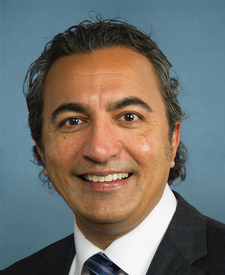



Legislative Progress
In CommitteeMr. LaHood (for himself, Ms. DelBene, Ms. Tenney, Mr. Beyer, …
Referred to the House Committee on Ways and Means.
Introduced in House
Stakeholder Effects
cui bono?How this legislation distributes effects. Mention counts reflect frequency, not effect magnitude.
Affordable housing developers, Domestic violence survivors, Extremely low-income households
Internal Revenue Service, State housing credit agencies
Bill Structure & Actor Mappings
Who is "The Secretary" in each section?
We use a combination of our own taxonomy and classification in addition to large language models to assess meaning and potential beneficiaries. High confidence means strong textual evidence. Always verify with the original bill text.
Learn more about our methodology