Protecting Our Supreme Court Justices Act of 2025
Summary
What This Bill Does
The Protecting Our Supreme Court Justices Act is a narrow criminal penalty bill. It amends 18 U.S.C. section 1507, which prohibits picketing or parading near a court, courthouse, judge residence, or juror residence with intent to interfere with, obstruct, or impede the administration of justice or influence a judge, juror, witness, or court officer. The bill changes the maximum imprisonment term in the first undesignated paragraph from one year to five years, increasing potential punishment for covered conduct while leaving the basic offense structure intact.
Who Benefits and How
Federal judges benefit because the penalty increase strengthens deterrence against picketing or parading intended to influence court decisions. Supreme Court Justices benefit from a stronger criminal sanction for covered conduct near residences or court facilities. Court officers and jurors benefit from greater deterrence against conduct meant to obstruct justice or influence court participants. Federal prosecutors benefit from a higher maximum penalty when charging section 1507 violations.
Who Bears the Burden and How
Protesters who engage in covered obstructive picketing or parading face up to five years imprisonment instead of one year. Criminal defense attorneys must litigate higher sentencing exposure in section 1507 cases. Federal courts may handle cases with more serious felony-level consequences. First Amendment advocates bear monitoring burdens because higher penalties may intensify disputes over protest, intent, and protected expression.
Key Provisions
- Tightens the 18 U.S.C. section 1507 imprisonment penalty from one year to five years.
- Creates higher sentencing exposure for covered picketing or parading intended to obstruct justice or influence judges, jurors, witnesses, or court officers.
- Preserves the underlying section 1507 offense structure.
- Protects court actors and judicial residences through increased criminal exposure for obstructive conduct.
Evidence Chain:
This summary is generated from the full bill text using AI analysis. Expand "Detailed Analysis" below for identified beneficiaries/burden bearers.
At a Glance
What This Bill Does
Raises the federal maximum imprisonment penalty for picketing or parading near a court or judge residence with intent to obstruct justice or influence court actors from one year to five years.
Key Policy Areas
Criminal Justice, Courts, Public Safety
Primary Purpose
Raises the federal maximum imprisonment penalty for picketing or parading near a court or judge residence with intent to obstruct justice or influence court actors from one year to five years.
Policy Domains
Resolution provisions
Identified Gains
Contextual inference, no direct clause citation- Federal judges
- Supreme Court Justices
- Court officers
- Federal prosecutors
Contextual inference, no direct clause citation
Identified Costs
Contextual inference, no direct clause citation- Covered obstructive protesters
- Criminal defense attorneys
- Federal courts
- First Amendment advocates
Contextual inference, no direct clause citation
Sponsors
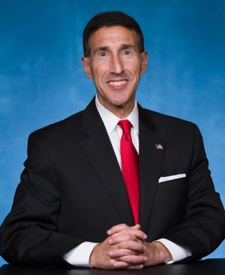

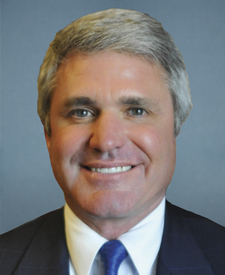
Legislative Progress
In CommitteeMr. Kustoff (for himself, Mr. Gill of Texas, and Mr. …
Referred to the House Committee on the Judiciary.
Introduced in House
Bill Structure & Actor Mappings
Who is "The Secretary" in each section?
We use a combination of our own taxonomy and classification in addition to large language models to assess meaning and potential beneficiaries. High confidence means strong textual evidence. Always verify with the original bill text.
Learn more about our methodology