Ending Improper Payments to Deceased People Act
Summary
What This Bill Does
The Ending Improper Payments to Deceased People Act changes how death information flows into the federal Do Not Pay working system. It requires the Commissioner of Social Security, to the extent feasible, to provide death data furnished to SSA to the agency operating Do Not Pay for authorized uses that help prevent improper benefit or other payments and support recovery of improper payments. The reported version requires SSA and the Do Not Pay operator to enter an agreement covering a methodology for the proportional share of state death data costs. It also bars SSA from recording a death to a record that may be provided under the section unless SSA has clear and convincing evidence that the person should be presumed deceased. Earlier text extends the underlying authority to December 28, 2026.
Who Benefits and How
Federal agencies making payments to individuals benefit from better access to death data before issuing benefits, grants, refunds, or other payments. The Bureau of the Fiscal Service benefits because its Do Not Pay working system receives data for improper-payment prevention and recovery. Federal taxpayers benefit if agencies avoid or recover payments made to deceased people. Individuals incorrectly flagged as deceased benefit from the clear-and-convincing evidence standard before SSA records a death that can be shared through the system.
Who Bears the Burden and How
The Social Security Administration must share eligible death data, coordinate with the Do Not Pay operator, and apply a higher evidence standard before recording deaths in covered records. The Commissioner of Social Security must negotiate and periodically review the cost-sharing methodology for state death data. State vital records systems may be affected by the proportional cost methodology. Federal payment agencies must use the Do Not Pay data carefully to prevent improper payments without wrongly cutting off living beneficiaries.
Key Provisions
- Requires SSA to provide death information to the Do Not Pay working system for authorized improper-payment prevention and recovery uses.
- Requires SSA and the Do Not Pay operator to agree on a methodology for proportional state death data costs.
- Bars SSA from recording a death in covered records unless it has clear and convincing evidence that the person should be presumed deceased.
- Extends related authority in earlier text to December 28, 2026.
Evidence Chain:
This summary is generated from the full bill text using AI analysis. Expand "Detailed Analysis" below for identified beneficiaries/burden bearers with clause-level evidence links.
At a Glance
What This Bill Does
Improves coordination between the Social Security Administration and the Do Not Pay working system by requiring death data sharing for improper-payment prevention and recovery, establishing cost-sharing methodology for state death data, adding a clear-and-convincing evidence standard before SSA records a death in data provided under the system, and extending related authority to December 28, 2026.
Key Policy Areas
Government Operations, Social Security, Improper Payments
Primary Purpose
Improves coordination between the Social Security Administration and the Do Not Pay working system by requiring death data sharing for improper-payment prevention and recovery, establishing cost-sharing methodology for state death data, adding a clear-and-convincing evidence standard before SSA records a death in data provided under the system, and extending related authority to December 28, 2026.
Policy Domains
House resolution provisions
Identified Gains
- Federal agencies making payments to individuals
- Bureau of the Fiscal Service
- Federal taxpayers
- Individuals incorrectly flagged as deceased
Identified Costs
- Social Security Administration
- Commissioner of Social Security
- State vital records systems
- Federal payment agencies
Sponsors
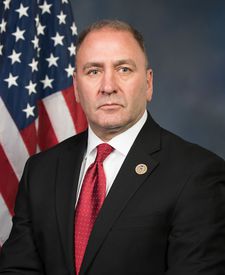
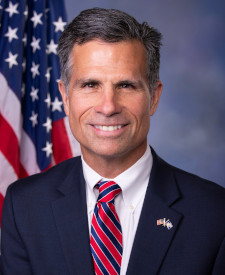

Legislative Progress
ReportedAdditional sponsors: Mr. Meuser and Mrs. Miller-Meeks
Reported with an amendment, committed to the Committee of the …
Placed on the Union Calendar, Calendar No. 371.
Reported (Amended) by the Committee on Ways and Means. H. …
Committee Consideration and Mark-up Session Held
Ordered to be Reported in the Nature of a Substitute …
Introduced in House
Referred to the House Committee on Ways and Means.
Mr. Higgins of Louisiana introduced the following bill; which was …
Stakeholder Effects
cui bono?How this legislation distributes effects. Mention counts reflect frequency, not effect magnitude.
Bureau of the Fiscal Service, Do Not Pay working system, Federal agencies making payments to individuals
Commissioner of Social Security, Individuals incorrectly flagged as deceased, Social Security Administration
Positive-direction: Individuals incorrectly flagged as deceased
Negative-direction: Commissioner of Social Security, Social Security Administration
Bill Structure & Actor Mappings
Who is "The Secretary" in each section?
- "ssa"
- → Social Security Administration
- "do_not_pay"
- → Do Not Pay working system
- "commissioner"
- → Commissioner of Social Security
- "fiscal_service"
- → Bureau of the Fiscal Service
We use a combination of our own taxonomy and classification in addition to large language models to assess meaning and potential beneficiaries. High confidence means strong textual evidence. Always verify with the original bill text.
Learn more about our methodology