MAIN Event Ticketing Act
Summary
What This Bill Does
The MAIN Event Ticketing Act expands federal anti-bot ticket law. It makes it unlawful to use or cause the use of an automated application to buy event tickets in circumvention of posted online ticket purchasing rules, including by bypassing access controls or security measures. Ticket issuers that operate ticket-selling websites or online services must enforce posted purchasing limits through access controls, establish administrative, technical, and physical safeguards, oversee service providers by contract and periodic assessment, update safeguards as threats and technology change, report known circumvention incidents to the FTC within 30 days, and take reasonable steps to address causes of known circumvention. The FTC must create or modify a public complaint website within 180 days, share reports and complaints with State attorneys general as appropriate, publish guidance within one year, and report to Congress on enforcement actions and limitations. The FTC may sue in federal court for civil penalties, injunctive relief, and equitable relief, with penalties of at least $10,000 per day plus at least $1,000 per violation and an added penalty of at least $10,000 per intentional violation. FBI, DOJ, and State or local law enforcement may coordinate with the FTC on cyberattacks against ticketing controls.
Who Benefits and How
Event ticket buyers benefit because automated bot purchasing and circumvention of posted ticket limits become easier to enforce against. Artists and event promoters benefit if strengthened anti-bot rules reduce bulk purchasing that pushes fans into inflated resale markets. Ticket issuers benefit from FTC complaint infrastructure and law enforcement coordination against cyberattacks on ticketing controls. State attorneys general benefit from FTC sharing of ticket issuer reports and consumer complaints.
Who Bears the Burden and How
Ticket issuers must maintain access controls, security safeguards, service-provider oversight, incident reporting, and corrective measures. Ticket resale bot operators face civil penalties and injunctive or equitable relief for circumvention violations. The Federal Trade Commission must operate reporting systems, issue guidance, litigate penalties, coordinate with law enforcement, and report to Congress. Ticketing service providers must satisfy contractual safeguards and periodic assessments if they handle ticket sale services or purchasing data.
Key Provisions
- Prohibits automated ticket-purchasing applications that circumvent posted online ticket purchasing rules or access controls.
- Requires ticket issuers to maintain site security safeguards, enforce purchase limits, oversee service providers, and update controls.
- Requires ticket issuers to report known circumvention incidents to the FTC within 30 days and address causes.
- Creates FTC civil action authority, minimum civil penalties, consumer complaint infrastructure, law enforcement coordination, and congressional reporting.
Evidence Chain:
This summary is generated from the full bill text using AI analysis. Expand "Detailed Analysis" below for identified beneficiaries/burden bearers with clause-level evidence links.
At a Glance
What This Bill Does
Strengthens the BOTS Act by banning automated ticket-purchasing applications that bypass posted limits, requiring ticket issuer security safeguards and circumvention reporting, and giving the FTC civil penalty and litigation authority.
Key Policy Areas
Consumer Protection, Technology, Live Events
Primary Purpose
Strengthens the BOTS Act by banning automated ticket-purchasing applications that bypass posted limits, requiring ticket issuer security safeguards and circumvention reporting, and giving the FTC civil penalty and litigation authority.
Policy Domains
Resolution provisions
Identified Gains
- Event ticket buyers
- Artists
- Ticket issuers
- State attorneys general
Identified Costs
- Ticket issuers
- Ticket resale bot operators
- Federal Trade Commission
- Ticketing service providers
Sponsors

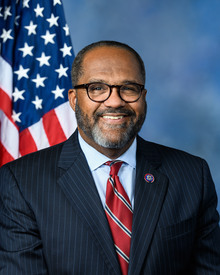
Legislative Progress
In CommitteeMrs. Harshbarger (for herself and Mr. Carter of Louisiana) introduced …
Referred to the House Committee on Energy and Commerce.
Introduced in House
Stakeholder Effects
cui bono?How this legislation distributes effects. Mention counts reflect frequency, not effect magnitude.
Event ticket buyers, Ticket issuers
Positive-direction: Event ticket buyers
Negative-direction: Ticket issuers
Bill Structure & Actor Mappings
Who is "The Secretary" in each section?
We use a combination of our own taxonomy and classification in addition to large language models to assess meaning and potential beneficiaries. High confidence means strong textual evidence. Always verify with the original bill text.
Learn more about our methodology