Remote Access Security Act
Summary
What This Bill Does
The Remote Access Security Act expands export-control law from physical export and in-country transfer to remote access. It defines remote access as a foreign person's access to an item subject to U.S. jurisdiction through a network connection, including the internet or a cloud computing service, from somewhere other than the item's physical location, when the Secretary of Commerce determines that use could create serious national security or foreign policy risk. The bill inserts remote access into Export Control Reform Act authorities for licensing, control lists, enforcement, and regulation, while preserving the existing mens rea standard for criminal liability. It also requires the Secretary of Commerce to keep the House Foreign Affairs Committee and Senate Banking, Housing, and Urban Affairs Committee fully and currently informed about anticipated remote-access control regulations, including classified briefings when needed.
Who Benefits and How
National security agencies benefit from a clearer statutory path to restrict foreign remote use of controlled technology. The Bureau of Industry and Security benefits from explicit authority to regulate remote access alongside exports and in-country transfers. Export control compliance consultants benefit from new demand for remote-access reviews, licensing advice, and compliance programs. Defense contractors and semiconductor manufacturers benefit from clearer legal rules for protecting controlled equipment, data, and technology from risky foreign remote access.
Who Bears the Burden and How
Cloud computing providers must assess whether foreign users can remotely access controlled items through their infrastructure. SaaS companies must evaluate remote access to export-controlled technology by foreign users. U.S. research universities must manage remote access by foreign researchers to controlled equipment, data, or research tools. Technology companies with foreign employees and technology companies with foreign contractors face compliance burdens when remote access could become regulated. The Secretary of Commerce and Bureau of Industry and Security must draft regulations, administer licensing and enforcement, and brief Congress on national security risks, regulatory methods, economic effects, affected entities, and burdens.
Key Provisions
- Adds a remote access definition to the Export Control Reform Act for foreign-person network access to U.S.-jurisdiction items when Commerce identifies serious national security or foreign policy risk.
- Expands export-control authorities to cover remote access alongside export, reexport, release, and in-country transfer controls.
- Authorizes Commerce to regulate remote access to covered items and incorporate remote access into licensing, restrictions, and enforcement frameworks.
- Preserves the existing criminal-liability mens rea standard under section 1760.
- Requires the Secretary of Commerce to keep the House Foreign Affairs Committee and Senate Banking Committee informed about anticipated remote-access regulations, including classified briefings when necessary.
Evidence Chain:
This summary is generated from the full bill text using AI analysis. Expand "Detailed Analysis" below for identified beneficiaries/burden bearers with clause-level evidence links.
At a Glance
What This Bill Does
Amends the Export Control Reform Act of 2018 to define and regulate remote access by foreign persons to items subject to U.S. jurisdiction, including access through internet or cloud connections when the Secretary of Commerce determines the use could pose serious national security or foreign policy risk, and requires Commerce to keep congressional committees informed before promulgating remote-access control regulations.
Key Policy Areas
Trade, Export Controls, Technology, National Security
Primary Purpose
Amends the Export Control Reform Act of 2018 to define and regulate remote access by foreign persons to items subject to U.S. jurisdiction, including access through internet or cloud connections when the Secretary of Commerce determines the use could pose serious national security or foreign policy risk, and requires Commerce to keep congressional committees informed before promulgating remote-access control regulations.
Policy Domains
House resolution provisions
Identified Gains
- National security agencies
- Bureau of Industry and Security
- Export control compliance consultants
- Defense contractors
- Semiconductor manufacturers
Identified Costs
- Cloud computing providers
- SaaS companies
- U.S. research universities
- Technology companies with foreign employees
- Technology companies with foreign contractors
- Secretary of Commerce
Sponsors

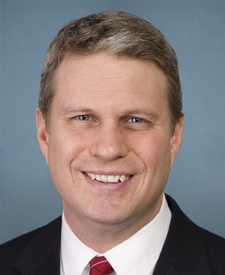
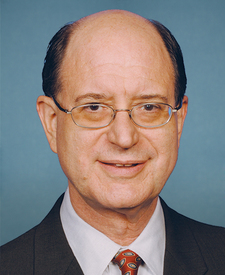

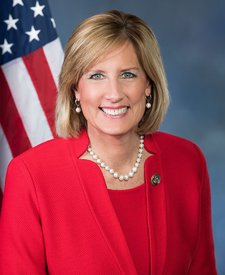
Legislative Progress
ReportedReceived; read twice and referred to the Committee on Banking, …
Received in the Senate and Read twice and referred to …
Motion to reconsider laid on the table Agreed to without …
Passed/agreed to in House: On motion to suspend the rules …
Considered as unfinished business. (consideration: CR H645-646)
At the conclusion of debate, the Yeas and Nays were …
DEBATE - The House proceeded with forty minutes of debate …
Mr. Lawler moved to suspend the rules and pass the …
Considered under suspension of the rules. (consideration: CR H621-623)
Motion to reconsider laid on the table Agreed to without …
Stakeholder Effects
cui bono?How this legislation distributes effects. Mention counts reflect frequency, not effect magnitude.
Foreign technology contractors, Regulated technology exporters, SaaS companies
Foreign researchers accessing controlled items, Research universities handling controlled items
House Committee on Foreign Affairs, Senate Committee on Banking
Bill Structure & Actor Mappings
Who is "The Secretary" in each section?
- "bis"
- → Bureau of Industry and Security
- "commerce"
- → Secretary of Commerce
- "senate_banking"
- → Senate Committee on Banking, Housing, and Urban Affairs
- "house_foreign_affairs"
- → House Committee on Foreign Affairs
We use a combination of our own taxonomy and classification in addition to large language models to assess meaning and potential beneficiaries. High confidence means strong textual evidence. Always verify with the original bill text.
Learn more about our methodology