Moab UMTRA Project Transition Act of 2025
Summary
What This Bill Does
The Moab UMTRA Project Transition Act changes the future ownership path for the Moab uranium mill tailings remediation site. Once the Secretary of Energy, in consultation with relevant regulators, determines that remedial action has reached a status sufficient for land conveyance, the Secretary must convey all available federal right, title, and interest in the Moab site to Grand County, Utah at no cost. The conveyance remains subject to regulatory or use restrictions needed to protect health and safety, including Uranium Mill Tailings Radiation Control Act and EPA radiation-control requirements. The United States must retain water rights necessary for ongoing remediation responsibilities, including groundwater wells and associated surface footprints if groundwater remediation is still underway. Grand County may not reconvey any portion of the land to a private entity or nonprofit organization, and DOE may impose additional conditions to protect federal interests.
Who Benefits and How
Grand County, Utah benefits because it receives the remediated Moab site at no cost after the cleanup reaches conveyance-ready status. Moab residents benefit from a transition plan that keeps health, safety, groundwater, and land-use restrictions tied to remediation needs. Local public land planners benefit from eventual county control of a remediated federal site. The Department of Energy benefits from statutory direction for post-remediation site disposition while retaining necessary water rights.
Who Bears the Burden and How
The Department of Energy must determine conveyance readiness, consult regulators, draft restrictions, and complete the land transfer. Grand County must accept restrictions and may not reconvey the land to private entities or nonprofit organizations. The Nuclear Regulatory Commission and other regulators must coordinate on health and safety restrictions. Private developers bear the burden because the county is barred from reconveying conveyed land to private or nonprofit entities.
Key Provisions
- Requires no-cost conveyance of the Moab site to Grand County after sufficient remedial action for land transfer.
- Requires federal retention of water rights needed for uranium mill tailings remediation responsibilities.
- Prohibits Grand County from reconveying the land to private entities or nonprofit organizations.
- Authorizes additional Energy Department terms and conditions needed to protect federal interests.
Evidence Chain:
This summary is generated from the full bill text using AI analysis. Expand "Detailed Analysis" below for identified beneficiaries/burden bearers with clause-level evidence links.
At a Glance
What This Bill Does
Requires the Energy Department to convey the remediated Moab uranium mill tailings site to Grand County, Utah at no cost once land-conveyance remediation status is reached, while retaining needed federal water rights and restricting resale.
Key Policy Areas
Energy, Public Lands, Utah
Primary Purpose
Requires the Energy Department to convey the remediated Moab uranium mill tailings site to Grand County, Utah at no cost once land-conveyance remediation status is reached, while retaining needed federal water rights and restricting resale.
Policy Domains
Resolution provisions
Identified Gains
- Grand County Utah
- Moab residents
- Local public land planners
- Department of Energy
Identified Costs
- Department of Energy
- Grand County Utah
- Nuclear Regulatory Commission
- Private developers
Sponsors


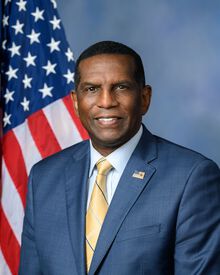

Legislative Progress
In CommitteeMr. Kennedy of Utah (for himself, Mr. Owens, Ms. Maloy, …
Referred to the House Committee on Energy and Commerce.
Introduced in House
Stakeholder Effects
cui bono?How this legislation distributes effects. Mention counts reflect frequency, not effect magnitude.
Department of Energy, Grand County Utah, Nuclear Regulatory Commission
Positive-direction: Grand County Utah
Negative-direction: Department of Energy, Nuclear Regulatory Commission
Bill Structure & Actor Mappings
Who is "The Secretary" in each section?
We use a combination of our own taxonomy and classification in addition to large language models to assess meaning and potential beneficiaries. High confidence means strong textual evidence. Always verify with the original bill text.
Learn more about our methodology