Religious Workforce Protection Act
Summary
What This Bill Does
The Religious Workforce Protection Act is targeted at religious workers whose permanent-residence cases are delayed by immigrant visa numerical limits. It allows the Secretary of Homeland Security to extend R-1 nonimmigrant status beyond the ordinary five-year limit until the worker's adjustment-of-status or immigrant-visa application is processed, if the worker is a principal or derivative beneficiary of a special immigrant religious worker petition and would be eligible but for numerical limits. It also adds limited portability for long-delayed religious worker applicants and exempts covered workers who already left the United States because of the five-year R-1 cap from the one-year foreign residence requirement.
Who Benefits and How
Religious workers in green-card backlogs benefit because they can remain in R-1 status until their permanent-residence application is decided. Spouses and children of religious workers benefit because derivative beneficiaries can be covered by the same backlog protection. Churches and religious nonprofits benefit because they can retain trained clergy, ministers, and religious workers during visa backlogs. Communities served by immigrant religious workers benefit from less disruption in worship, pastoral care, and community services.
Who Bears the Burden and How
U.S. Citizenship and Immigration Services must adjudicate extensions, portability, and exemption claims for covered religious workers. The Department of Homeland Security must administer the exception to the R-1 five-year limit. Religious employers must document special immigrant petitions, eligibility, and job changes under the amended INA provisions. Immigrant visa applicants outside the religious-worker category may face continued backlog pressure without receiving the same targeted relief.
Key Provisions
- Extends R-1 nonimmigrant status for eligible religious workers until their adjustment or immigrant visa application is decided.
- Expands limited job flexibility for special immigrant religious workers with long-delayed permanent-residence applications.
- Provides an exemption from the one-year foreign residence requirement for covered workers who departed because of the five-year R-1 cap.
- Targets relief to principal and derivative beneficiaries who are otherwise eligible except for numerical immigration limits.
Evidence Chain:
This summary is generated from the full bill text using AI analysis. Expand "Detailed Analysis" below for identified beneficiaries/burden bearers with clause-level evidence links.
At a Glance
What This Bill Does
Lets certain R-1 religious workers stuck in green-card backlogs extend nonimmigrant status, gain limited job flexibility, and avoid the one-year foreign residence reset after a five-year R-1 limit departure.
Key Policy Areas
Immigration, Religious Organizations, Workforce
Primary Purpose
Lets certain R-1 religious workers stuck in green-card backlogs extend nonimmigrant status, gain limited job flexibility, and avoid the one-year foreign residence reset after a five-year R-1 limit departure.
Policy Domains
Resolution provisions
Identified Gains
- Religious workers in green-card backlogs
- Families of religious workers
- Religious nonprofits
- Faith communities
Identified Costs
- U.S. Citizenship and Immigration Services
- Department of Homeland Security
- Religious employers
- Other immigrant visa applicants
Sponsors


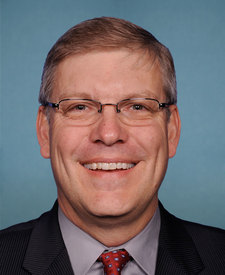
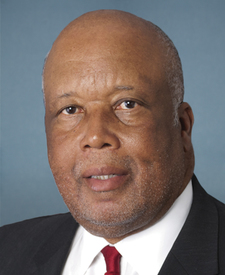

Legislative Progress
In CommitteeMr. Carey (for himself, Mr. Neal, Ms. Salazar, and Mr. …
Referred to the House Committee on the Judiciary.
Introduced in House
Stakeholder Effects
cui bono?How this legislation distributes effects. Mention counts reflect frequency, not effect magnitude.
Families of religious workers, Religious workers in green-card backlogs
Department of Homeland Security, U.S. Citizenship and Immigration Services
Bill Structure & Actor Mappings
Who is "The Secretary" in each section?
We use a combination of our own taxonomy and classification in addition to large language models to assess meaning and potential beneficiaries. High confidence means strong textual evidence. Always verify with the original bill text.
Learn more about our methodology