DART Act of 2025
Summary
What This Bill Does
The DART Act directs federal criminal-justice grant policy toward alternatives to incarceration. Its findings connect crime rates to drug addiction, mental health disorders, and poverty, and identify pre-incarceration diversion and rehabilitation as cost-effective ways to reduce recidivism. The bill expands Edward Byrne Memorial Justice Assistance Grant purpose areas so JAG funds can support diversion and rehabilitation programs at any phase of the criminal justice process, including pre-arrest and pre-trial. It also adds specialty courts and judicial intervention programs, including restorative justice programs. Finally, it authorizes the Attorney General to establish a National Diversion and Rehabilitation Clearinghouse to collect research, provide technical assistance to governments and nonprofits, develop training materials, promote trauma-informed and restorative justice practices, and support JAG recipients using funds for diversion and rehabilitation, with such sums as necessary authorized for fiscal years 2026 through 2031.
Who Benefits and How
State criminal justice agencies benefit because Byrne JAG funds can be used more clearly for diversion, specialty courts, and rehabilitation. Local governments benefit from technical assistance and evidence-based program information through the proposed clearinghouse. People diverted from incarceration benefit from treatment, life-skills training, behavioral health support, and restorative justice pathways. Nonprofit service providers benefit from clearer grant-supported roles in diversion and rehabilitation programs.
Who Bears the Burden and How
The Attorney General must administer expanded JAG purpose areas and may establish and fund a national clearinghouse. Bureau of Justice Assistance staff must update JAG guidance, grant review, training, and technical assistance around diversion uses. Grant recipients must design programs consistent with evidence-based, trauma-informed, and restorative justice practices. Traditional incarceration-focused programs may face funding competition as JAG dollars become more available for diversion and rehabilitation.
Key Provisions
- Expands Byrne JAG purpose areas to include diversion and rehabilitation programs at pre-arrest, pre-trial, and other phases.
- Adds specialty courts and restorative justice judicial intervention programs as JAG-supported activities.
- Authorizes a National Diversion and Rehabilitation Clearinghouse for research, technical assistance, training, and best practices.
- Authorizes such sums as necessary for the clearinghouse for fiscal years 2026 through 2031.
Evidence Chain:
This summary is generated from the full bill text using AI analysis. Expand "Detailed Analysis" below for identified beneficiaries/burden bearers with clause-level evidence links.
At a Glance
What This Bill Does
Expands Byrne JAG purpose areas to include diversion and rehabilitation programs, authorizes specialty courts, and creates a National Diversion and Rehabilitation Clearinghouse for evidence-based practices.
Key Policy Areas
Criminal Justice, Federal Grants, Behavioral Health
Primary Purpose
Expands Byrne JAG purpose areas to include diversion and rehabilitation programs, authorizes specialty courts, and creates a National Diversion and Rehabilitation Clearinghouse for evidence-based practices.
Policy Domains
Resolution provisions
Identified Gains
- State criminal justice agencies
- Local governments
- People diverted from incarceration
- Nonprofit service providers
Identified Costs
- Attorney General
- Bureau of Justice Assistance staff
- Grant recipients
- Incarceration-focused programs
Sponsors

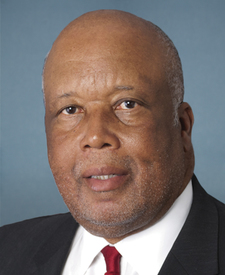

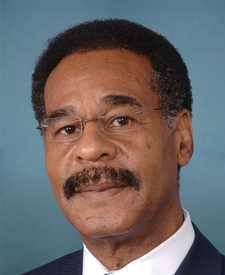

Legislative Progress
In CommitteeMr. Bell (for himself, Mr. Cleaver, Ms. Clarke of New …
Referred to the House Committee on the Judiciary.
Introduced in House
Stakeholder Effects
cui bono?How this legislation distributes effects. Mention counts reflect frequency, not effect magnitude.
Attorney General, Bureau of Justice Assistance staff, Local governments
Positive-direction: Local governments, State criminal justice agencies
Negative-direction: Attorney General, Bureau of Justice Assistance staff
Bill Structure & Actor Mappings
Who is "The Secretary" in each section?
We use a combination of our own taxonomy and classification in addition to large language models to assess meaning and potential beneficiaries. High confidence means strong textual evidence. Always verify with the original bill text.
Learn more about our methodology