To amend the Higher Education Act of 1965 to provide for additional uses of funds for grants to strengthen historically Black colleges and universities, and for other purposes.
Summary
What This Bill Does
This bill amends the Higher Education Act HBCU strengthening grant authority to make arts and cultural investments eligible uses of funds. It is built on findings that arts strengthen communities, top museums have low representation of Black artists and Black staff directors, HBCUs are important conservators and supporters of Black art, and HBCUs have faced long-term underfunding. The new allowable uses include financial and other assistance to students in arts, arts education, and cultural programs; outreach and development offices for arts departments; wraparound services such as mentorship, work-based learning, counseling, and career advising; care for Black art collections in exhibition or storage; and well-paid apprenticeships, internships, and fellowships through nonprofit arts partnerships. HBCUs may also partner with the National Endowment for the Arts for these activities.
Who Benefits and How
Historically Black colleges and universities benefit because they can use strengthening grants for arts, arts education, and cultural infrastructure. HBCU arts students benefit from financial assistance, mentorship, work-based learning, career advising, and paid arts placements. Black artists benefit because HBCUs can fund the exhibition, maintenance, monitoring, and protection of Black art collections. Nonprofit arts institutions benefit from partnership authority for apprenticeships, internships, and fellowships with HBCUs.
Who Bears the Burden and How
HBCU grant administrators must document arts-related uses, partnerships, student supports, and collection-care activities. The Department of Education must administer the expanded section 323 allowable-use categories. The National Endowment for the Arts must coordinate partnership activity with eligible institutions that choose to use the new authority. Competing campus priorities may face tradeoffs if HBCUs redirect limited strengthening grant funds toward arts and cultural programs.
Key Provisions
- Expands HBCU strengthening grant uses to include student assistance for arts, arts education, and cultural programs.
- Authorizes outreach offices, development offices, wraparound services, and paid arts placements.
- Provides support for exhibiting, maintaining, monitoring, and protecting Black art collections.
- Authorizes HBCU partnerships with the National Endowment for the Arts and defines arts broadly.
Evidence Chain:
This summary is generated from the full bill text using AI analysis. Expand "Detailed Analysis" below for identified beneficiaries/burden bearers with clause-level evidence links.
At a Glance
What This Bill Does
Expands allowable HBCU grant uses to support arts, arts education, cultural programs, Black art collections, student wraparound services, paid arts placements, and National Endowment for the Arts partnerships.
Key Policy Areas
Higher Education, Arts, Historically Black Colleges
Primary Purpose
Expands allowable HBCU grant uses to support arts, arts education, cultural programs, Black art collections, student wraparound services, paid arts placements, and National Endowment for the Arts partnerships.
Policy Domains
Resolution provisions
Identified Gains
- Historically Black colleges and universities
- HBCU arts students
- Black artists
- Nonprofit arts institutions
Identified Costs
- HBCU grant administrators
- Department of Education
- National Endowment for the Arts
- Campus budget planners
Sponsors
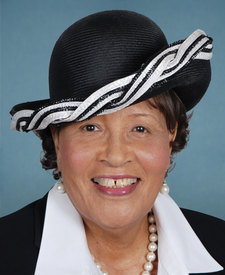
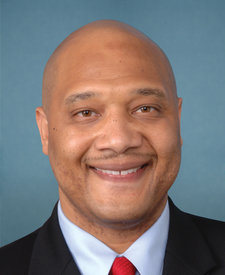


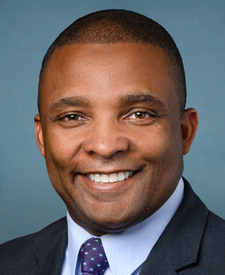
Legislative Progress
In CommitteeMs. Adams (for herself, Ms. Crockett, Mrs. Cherfilus-McCormick, Mrs. Beatty, …
Referred to the House Committee on Education and Workforce.
Introduced in House
Stakeholder Effects
cui bono?How this legislation distributes effects. Mention counts reflect frequency, not effect magnitude.
Department of Education, National Endowment for the Arts
Bill Structure & Actor Mappings
Who is "The Secretary" in each section?
We use a combination of our own taxonomy and classification in addition to large language models to assess meaning and potential beneficiaries. High confidence means strong textual evidence. Always verify with the original bill text.
Learn more about our methodology