Hong Kong Economic and Trade Office (HKETO) Certification Act
Summary
What This Bill Does
The Hong Kong Economic and Trade Office Certification Act creates a recurring test for whether Hong Kong's U.S. trade offices should keep special privileges, exemptions, and immunities. Within 30 days after enactment and then with each Hong Kong Policy Act certification, the Secretary of State must determine whether the HKETOs merit those protections and submit a detailed justification that may include national security considerations. If the Secretary determines that they no longer merit protection, the offices must terminate operations within 180 days. If the Secretary certifies that they do merit protection, operations continue for one year or until the next certification unless Congress enacts a disapproval resolution under expedited procedures. The bill also restricts U.S. Government partnerships with HKETOs and establishes a policy against helping promote Hong Kong as free and autonomous while the State Department determines that Hong Kong lacks a high degree of autonomy from China.
Who Benefits and How
Hong Kong democracy advocates benefit because the bill ties HKETO privileges to human rights, rule of law, and autonomy concerns. Congressional foreign affairs committees benefit from a recurring certification and disapproval process for HKETO status. State Department Hong Kong policy staff benefit from explicit statutory authority to reassess privileges and justify national security concerns. Political prisoners in Hong Kong benefit indirectly because U.S. engagement policy must seek releases, an end to arbitrary detention, free press, elections, and an independent judiciary.
Who Bears the Burden and How
Hong Kong Economic and Trade Offices bear the burden because a negative State Department determination would terminate U.S. operations within 180 days. The Government of Hong Kong faces limits on federally assisted promotion of autonomy, rule-of-law, or human-rights narratives in the United States. The Government of China faces U.S. policy language treating certain Hong Kong promotion as propaganda for dismantling rights and freedoms. Federal agencies must avoid agreements or partnerships with HKETOs unless certification and congressional-review conditions are satisfied.
Key Provisions
- Requires the Secretary of State to determine whether HKETOs merit continued privileges, exemptions, and immunities.
- Requires HKETO operations to terminate within 180 days after a negative determination.
- Creates expedited congressional disapproval procedures after a positive certification.
- Limits federal partnerships that promote Hong Kong autonomy claims while Hong Kong lacks a high degree of autonomy from China.
Evidence Chain:
This summary is generated from the full bill text using AI analysis. Expand "Detailed Analysis" below for identified beneficiaries/burden bearers with clause-level evidence links.
At a Glance
What This Bill Does
Requires annual State Department certification on whether Hong Kong Economic and Trade Offices merit U.S. privileges and immunities, provides for termination after a negative certification, and limits federal partnerships that promote Hong Kong autonomy claims.
Key Policy Areas
Foreign Affairs, Hong Kong, Human Rights
Primary Purpose
Requires annual State Department certification on whether Hong Kong Economic and Trade Offices merit U.S. privileges and immunities, provides for termination after a negative certification, and limits federal partnerships that promote Hong Kong autonomy claims.
Policy Domains
Resolution provisions
Identified Gains
- Hong Kong democracy advocates
- Congressional foreign affairs committees
- State Department Hong Kong policy staff
- Political prisoners in Hong Kong
Identified Costs
- Hong Kong Economic and Trade Offices
- Government of Hong Kong
- Government of China
- Federal agencies
Sponsors

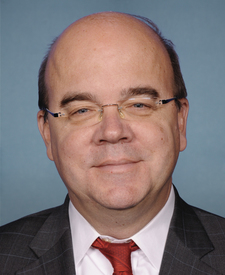


Legislative Progress
In CommitteeMr. Smith of New Jersey (for himself and Mr. McGovern) …
Referred to the Committee on Foreign Affairs, and in addition …
Introduced in House
Stakeholder Effects
cui bono?How this legislation distributes effects. Mention counts reflect frequency, not effect magnitude.
Congressional foreign affairs committees, Federal agencies, Government of Hong Kong
Positive-direction: Congressional foreign affairs committees
Negative-direction: Federal agencies, Government of Hong Kong, Hong Kong Economic and Trade Offices
Bill Structure & Actor Mappings
Who is "The Secretary" in each section?
We use a combination of our own taxonomy and classification in addition to large language models to assess meaning and potential beneficiaries. High confidence means strong textual evidence. Always verify with the original bill text.
Learn more about our methodology