End Gun Violence Act of 2025
Summary
What This Bill Does
The End Gun Violence Act adds a new federal firearm-transfer bar for people convicted in any court of a violent misdemeanor within the previous five years. It defines violent misdemeanor to cover misdemeanor offenses under federal, State, tribal, or local law that include physical force, a deadly weapon, intent to cause physical injury, or knowingly causing physical injury. It preserves counsel and jury-trial safeguards, excludes expunged, set-aside, pardoned, or civil-rights-restored convictions unless the relief preserves a firearm disability, delays applicability for convictions until six months after enactment, and makes conforming NICS, Brady Act, licensing, and appeal changes so background checks can account for the new category.
Who Benefits and How
Domestic-violence survivors and assault victims benefit because recent violent misdemeanor convictions would block firearm sales by licensed sellers. Gun violence prevention organizations benefit from a new federal disqualifier aimed at misdemeanor violence that does not fit existing felony rules. NICS background check operators benefit from statutory direction to include the new violent-misdemeanor transfer prohibition. State and tribal court record systems benefit from clearer criteria for reporting qualifying misdemeanor convictions.
Who Bears the Burden and How
People with recent violent misdemeanor convictions bear the burden because federally licensed sellers could not knowingly sell them firearms or ammunition. Licensed firearm dealers must screen transfers against the new disqualifying category and related NICS responses. State and tribal criminal-record agencies must identify, code, and transmit qualifying misdemeanor conviction records. Federal background check administrators must update forms, systems, appeal rules, and agency guidance.
Key Provisions
- Expands firearm sale and ammunition transfer prohibitions to people convicted of violent misdemeanors within the preceding five years.
- Defines violent misdemeanor by force, deadly weapon, intent to injure, or knowing injury elements.
- Protects counsel, jury-trial, expungement, pardon, and civil-rights-restoration safeguards in the definition.
- Updates NICS, Brady Act, licensing, and appeal provisions to apply the new transfer prohibition after a six-month delay.
Evidence Chain:
This summary is generated from the full bill text using AI analysis. Expand "Detailed Analysis" below for identified beneficiaries/burden bearers with clause-level evidence links.
At a Glance
What This Bill Does
Expands federal firearm transfer prohibitions to people convicted of violent misdemeanors within the preceding five years and updates NICS and related statutes to screen those disqualifying convictions.
Key Policy Areas
Public Safety, Firearms, Criminal Justice
Primary Purpose
Expands federal firearm transfer prohibitions to people convicted of violent misdemeanors within the preceding five years and updates NICS and related statutes to screen those disqualifying convictions.
Policy Domains
Resolution provisions
Identified Gains
- Domestic violence survivors
- Assault victims
- Gun violence prevention organizations
- NICS background check operators
Identified Costs
- People with recent violent misdemeanor convictions
- Licensed firearm dealers
- State criminal-record agencies
- Federal background check administrators
Sponsors

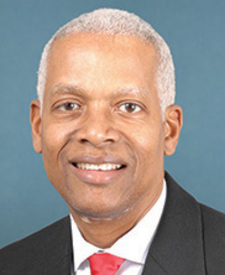



Legislative Progress
In CommitteeMr. Neguse (for himself, Mr. Auchincloss, Ms. Kelly of Illinois, …
Referred to the House Committee on the Judiciary.
Introduced in House
Stakeholder Effects
cui bono?How this legislation distributes effects. Mention counts reflect frequency, not effect magnitude.
Domestic violence survivors, Gun violence prevention organizations
People with recent violent misdemeanor convictions
Bill Structure & Actor Mappings
Who is "The Secretary" in each section?
We use a combination of our own taxonomy and classification in addition to large language models to assess meaning and potential beneficiaries. High confidence means strong textual evidence. Always verify with the original bill text.
Learn more about our methodology