To require the evaluation of certain criteria relating to locations for deployment of successor radar systems of the National Weather Service, and for other purposes.
Analysis under review: This bill has generated analysis that may be too generic or incomplete. Clause-level evidence remains available below.
Summary
What This Bill Does
The bill establishes the Radar Next Program requiring the Under Secretary of Commerce for Oceans and Atmosphere to develop a comprehensive plan to replace the National Weather Service's NEXRAD radar system by 2040, including. It relies on procurement rules, reporting requirements, and compliance mandates. The main policy areas are Science & Space, Weather And Climate Technology, Trade, and Energy.
Who Benefits and How
Weather radar manufacturers with capability to produce next-generation phased array or advanced weather surveillance systems could gain revenue opportunities, Commercial weather data and radar service providers eligible for gap-filling partnerships could gain revenue opportunities, and Research institutions and universities conducting weather radar research and participating in testbed evaluations could gain revenue opportunities.
Who Bears the Burden and How
Existing NEXRAD radar system contractors and maintenance providers could face increased risk and Meteorologists, emergency managers, and public safety officials providing consultation input would take on compliance duties.
Key Provisions
- Establishes the Radar Next Program requiring the Under Secretary of Commerce for Oceans and Atmosphere to develop a comprehensive plan to replace the National Weather Service's NEXRAD radar system by 2040, including...
Evidence Chain:
This summary is generated from the full bill text using AI analysis. Expand "Detailed Analysis" below for identified beneficiaries/burden bearers with clause-level evidence links.
At a Glance
What This Bill Does
The bill establishes the Radar Next Program requiring the Under Secretary of Commerce for Oceans and Atmosphere to develop a comprehensive plan to replace the National Weather Service's NEXRAD radar system by 2040, including.
Key Policy Areas
Science & Space, Weather And Climate Technology, Trade, Energy
Primary Purpose
The bill establishes the Radar Next Program requiring the Under Secretary of Commerce for Oceans and Atmosphere to develop a comprehensive plan to replace the National Weather Service's NEXRAD radar system by 2040, including.
Policy Domains
Entire Act - Radar Gap Elimination Act
Identified Gains
- Weather radar manufacturers with capability to produce next-generation phased array or advanced weather surveillance systems
- Commercial weather data and radar service providers eligible for gap-filling partnerships
- Research institutions and universities conducting weather radar research and participating in testbed evaluations
Identified Costs
- Existing NEXRAD radar system contractors and maintenance providers
- Meteorologists, emergency managers, and public safety officials providing consultation input
Sponsors

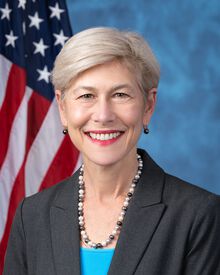

Legislative Progress
IntroducedMr. Moore of North Carolina (for himself, Ms. Ross, and …
Stakeholder Effects
cui bono?How this legislation distributes effects. Mention counts reflect frequency, not effect magnitude.
Weather radar manufacturers with capability to produce next-generation phased array or advanced weather surveillance systems
Commercial weather data and radar service providers eligible for gap-filling partnerships
Research institutions and universities conducting weather radar research and participating in testbed evaluations
National Oceanic and Atmospheric Administration (NOAA) and National Weather Service operational staff
Meteorologists, emergency managers, and public safety officials providing consultation input
Existing NEXRAD radar system contractors and maintenance providers
Bill Structure & Actor Mappings
Who is "The Secretary" in each section?
- "the_director"
- → Director of the National Weather Service
- "the_under_secretary"
- → Under Secretary of Commerce for Oceans and Atmosphere
Key Definitions
Terms defined in this bill
The Radar Next Program established under Section 2
The Next Generation Weather Radar of the National Weather Service system in existence as of the date of the enactment of this Act
As defined in section 2 of the Weather Research and Forecasting Innovation Act of 2017 (15 U.S.C. 8501)
We use a combination of our own taxonomy and classification in addition to large language models to assess meaning and potential beneficiaries. High confidence means strong textual evidence. Always verify with the original bill text.
Learn more about our methodology