To require the Secretary of State to submit an annual report to Congress regarding the ties between criminal gangs and political and economic elites in Haiti and impose sanctions on political and economic elites involved in such criminal activities.
Summary
What This Bill Does
The Haiti Criminal Collusion Transparency Act of 2025 requires the Secretary of State, in coordination with other federal agencies as appropriate, to submit a report within 180 days and annually for the next five years on ties between criminal gangs and political and economic elites in Haiti. The report must identify prominent gangs and leaders, describe criminal activities including coercive recruitment, identify primary operating areas, list Haitian political and economic elites with direct gang links and entities they control, describe how elites use gang relationships for political or economic advantage, list organizations trafficking Haitians or others to the U.S. border, assess links to transnational criminal organizations, evaluate threats to the Haitian people and U.S. interests, and assess potential U.S. actions. Within 90 days after the report reaches Congress, the President must impose sanctions on identified foreign persons. Sanctions include IEEPA property blocking, visa inadmissibility, visa denial, visa revocation, and ineligibility for admission or parole, with exceptions for U.N. Headquarters Agreement compliance, humanitarian assistance, food, medicine, medical devices, and humanitarian transactions.
Who Benefits and How
Haitian civilians affected by gang violence, Haitian anti-corruption advocates, U.S. policymakers, House Foreign Affairs Committee staff, Senate Foreign Relations Committee staff, congressional intelligence committees, Treasury sanctions officials, State Department Haiti policy staff, border-security officials, and humanitarian organizations with protected transactions benefit from structured reporting, named elite-gang links, trafficking analysis, sanctions authority, and explicit humanitarian carveouts.
Who Bears the Burden and How
Haitian criminal gang leaders, Haitian political elites with gang ties, Haitian economic elites with gang ties, entities controlled by those elites, foreign persons identified in the reports, banks holding sanctioned property, visa applicants subject to sanctions, State Department reporting staff, DHS admissibility staff, consular officers, and U.S. persons holding sanctioned property must respond to annual scrutiny, asset blocking, visa ineligibility, visa revocation, property-transfer restrictions, and sanctions-compliance duties.
Key Provisions
- Requires State Department annual reports for six years on ties between Haitian gangs and political or economic elites.
- Requires reports to identify prominent gangs, gang leaders, controlled entities, geographic operations, elite relationships, trafficking organizations, and transnational-crime ties.
- Requires assessment of threats to Haitian people and U.S. national interests and potential U.S. actions.
- Requires the President to impose sanctions within 90 days on identified foreign persons.
- Blocks property and bars U.S. admission, visas, parole, and immigration benefits for sanctioned persons.
- Preserves exceptions for U.N. Headquarters Agreement compliance, humanitarian aid, food, medicine, medical devices, and humanitarian transactions.
Evidence Chain:
This summary is generated from the full bill text using AI analysis. Expand "Detailed Analysis" below for identified beneficiaries/burden bearers with clause-level evidence links.
At a Glance
What This Bill Does
Requires six years of State Department reports on ties between Haitian criminal gangs and political or economic elites, including trafficking and transnational-crime links, and requires sanctions within 90 days on identified foreign persons while preserving humanitarian exceptions.
Key Policy Areas
Foreign Affairs, Sanctions, Haiti
Primary Purpose
Requires six years of State Department reports on ties between Haitian criminal gangs and political or economic elites, including trafficking and transnational-crime links, and requires sanctions within 90 days on identified foreign persons while preserving humanitarian exceptions.
Policy Domains
Substantive provisions
Identified Gains
- Haitian civilians affected by gang violence
- Haitian anti-corruption advocates
- U.S. policymakers
- House Foreign Affairs Committee staff
- Senate Foreign Relations Committee staff
- Congressional intelligence committees
- Treasury sanctions officials
- State Department Haiti policy staff
- Border-security officials
- Humanitarian organizations with protected transactions
Identified Costs
- Haitian criminal gang leaders
- Haitian political elites with gang ties
- Haitian economic elites with gang ties
- Entities controlled by sanctioned elites
- Foreign persons identified in the reports
- Banks holding sanctioned property
- Visa applicants subject to sanctions
- State Department reporting staff
- DHS admissibility staff
- Consular officers
Sponsors
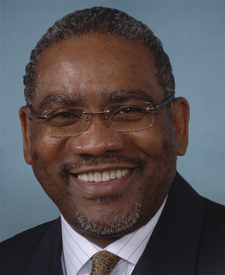
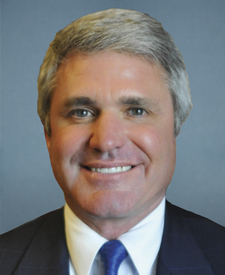

Legislative Progress
Passed HouseMr. Meeks (for himself, Mr. McCaul, and Mrs. Cherfilus-McCormick) introduced …
Passed House (inferred from eh version)
Stakeholder Effects
cui bono?How this legislation distributes effects. Mention counts reflect frequency, not effect magnitude.
Haitian economic elites with gang ties, Haitian political elites with gang ties
Congressional intelligence committees, DHS admissibility staff, State Department Haiti policy staff
Positive-direction: Congressional intelligence committees
Negative-direction: DHS admissibility staff, State Department Haiti policy staff, State Department consular officers
Haitian civilians affected by gang violence, Haitian criminal gang leaders
Positive-direction: Haitian civilians affected by gang violence
Negative-direction: Haitian criminal gang leaders
Haitian anti-corruption advocates, Humanitarian organizations with protected transactions
Bill Structure & Actor Mappings
Who is "The Secretary" in each section?
- "secretary"
- → Secretary of State
- "economic_elites"
- → Haitian economic elites as defined by the bill
- "political_elites"
- → Haitian political elites as defined by the bill
We use a combination of our own taxonomy and classification in addition to large language models to assess meaning and potential beneficiaries. High confidence means strong textual evidence. Always verify with the original bill text.
Learn more about our methodology