To provide for reform of the asylum system and protection of the border.
Analysis under review: This bill has generated analysis that may be too generic or incomplete. Clause-level evidence remains available below.
Summary
What This Bill Does
Reforms asylum system by denying eligibility to migrants who transit third countries without applying there first. Expands safe third country provisions and reduces asylum access.
Who Benefits and How
- Border security gains reduced asylum claims at southern border
- Immigration enforcement receives clearer denial authorities
- Transit countries may see more asylum applications filed there
Who Bears the Burden and How
- Asylum seekers must apply in transit countries first
- Trafficking victims receive narrow exception
- Migrants face higher bars to U.S. protection
Key Provisions
- Denies asylum if transited third country without applying there
- Expands safe third country to case-by-case determinations
- Exception for trafficking victims and denied applications elsewhere
- No bilateral agreement required for safe third country
Evidence Chain:
This summary is generated from the full bill text using AI analysis. Expand "Detailed Analysis" below for identified beneficiaries/burden bearers.
At a Glance
What This Bill Does
Comprehensive asylum reform requiring transit country applications and safe third country provisions
Who Benefits
- Border security
- Immigration enforcement
- Transit countries
Who Bears Costs
- Asylum seekers
- Trafficking victims
- Migrants
Key Policy Areas
Immigration, Border Security, Asylum
Primary Purpose
Comprehensive asylum reform requiring transit country applications and safe third country provisions
Policy Domains
Legislative Strategy
"Restrict asylum access through third country transit requirements"
Sponsors
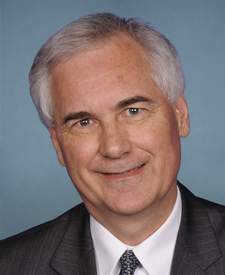


Legislative Progress
ReportedAdditional sponsor: Mrs. Lesko
Reported from the Committee on the Judiciary with an amendment
Committees on Ways and Means, Education and the Workforce, and …
Mr. McClintock (for himself and Mr. Biggs) introduced the following …
Stakeholder Effects
cui bono?How this legislation distributes effects. Mention counts reflect frequency, not effect magnitude.
Asylum adjudicators, Border and asylum screening officers, Customs and Border Protection officers
Asylum adjudicators, Border and asylum screening officers, Customs and Border Protection officers, Department of Homeland Security, Department of Homeland Security and Health and Human Services, Department of Homeland Security asylum officers, Department of Homeland Security family detention operations, Department of Homeland Security parole officials, Department of Homeland Security verification programs, Department of Justice immigration courts, Federal immigration enforcement agencies, Federal immigration prosecutors and enforcement agencies, Immigration courts and asylum adjudicators, Immigration enforcement agencies, U.S. Citizenship and Immigration Services face effects in multiple directions
Asylum applicants, Asylum applicants outside the exceptions, Asylum applicants seeking work authorization
Asylum applicants, Asylum applicants outside the exceptions, Asylum applicants seeking work authorization, Asylum applicants subject to special procedures, Asylum seekers in expedited removal, Asylum seekers who transited third countries, Document fraud participants, Migrants applying for admission, Migrants entering or present unlawfully, Migrants receiving parole, Migrants seeking parole into the United States, Unauthorized workers, Unauthorized workers using invalid Social Security numbers, Workers using fraudulent documents face effects in multiple directions
Attorney General and DOJ immigration courts, Congressional oversight committees, DHS parole program administrators
Congressional oversight committees, Department of Homeland Security and Department of Agriculture, Social Security Administration, Social Security Administration Inspector General, Social Security Administration and DHS face effects in multiple directions
Employers, Employers hiring asylum applicants, Employers participating in pilot programs
Employers, Employers hiring asylum applicants, Employers participating in pilot programs, Employers using E-Verify photo matching, Employers using employment eligibility verification, Employers violating employment eligibility rules face effects in multiple directions
Asylum applicants seeking work authorization, Asylum seekers at credible fear interviews, Asylum seekers at ports of entry
Positive-direction: Asylum seekers from Cuba, Nicaragua, Venezuela
Negative-direction: Asylum applicants seeking work authorization, Asylum seekers at credible fear interviews, Asylum seekers at ports of entry, Asylum seekers claiming particular social group membership, Asylum seekers who transited through third countries, Asylum seekers with criminal records, Immigrant families with children, Immigrants seeking humanitarian parole, Unaccompanied minors seeking special immigrant status, Undocumented immigrants and visa overstayers
H-2A agricultural workers, H-2A temporary agricultural workers, Identity fraud victims
Identity fraud victims, Identity theft victims and lawful workers face effects in multiple directions
State and local governments, State governments regulating unauthorized employment, States and local governments challenging Federal immigration parole
State governments regulating unauthorized employment, States and local governments challenging Federal immigration parole, States challenging immigration parole use face effects in multiple directions
Immigrant children seeking special immigrant juvenile status, Migrant families with children, Unaccompanied immigrant children
Immigrant children seeking special immigrant juvenile status, Migrant families with children, Unaccompanied immigrant children face effects in multiple directions
Bill Structure & Actor Mappings
Who is "The Secretary" in each section?
- "the_secretary"
- → Secretary of Homeland Security
- "attorney_general"
- → Attorney General
We use a combination of our own taxonomy and classification in addition to large language models to assess meaning and potential beneficiaries. High confidence means strong textual evidence. Always verify with the original bill text.
Learn more about our methodology