Telehealth Access for Tribal Communities Act of 2025
Summary
What This Bill Does
The Telehealth Access for Tribal Communities Act creates a special permanent Medicare telehealth rule for Indian health programs, urban Indian organizations, and clinicians employed by or under contract with those entities. For covered telehealth services furnished on or after April 1, 2025, the bill treats any site in the United States where the eligible patient is located, including the patient's home, as an originating site. It also requires Medicare coverage and payment for identified telehealth services delivered through audio-only communication systems by those tribal and urban Indian providers.
Who Benefits and How
American Indian and Alaska Native Medicare beneficiaries benefit because they can receive covered telehealth services from home or another convenient site. Indian health programs benefit from permanent Medicare payment rules for telehealth services rather than temporary emergency-period flexibilities. Urban Indian organizations benefit because their clinicians and contracted practitioners can furnish covered audio-only telehealth services. Rural tribal communities benefit because audio-only coverage reduces dependence on broadband access or travel to distant clinical sites.
Who Bears the Burden and How
The Centers for Medicare and Medicaid Services must administer permanent originating-site and audio-only payment rules for these providers. Medicare contractors must update claims processing for tribal and urban Indian telehealth services furnished after April 1, 2025. Indian health program administrators must document service eligibility, provider status, and claim coding under the new rule. Federal taxpayers bear the cost of telehealth payments that might otherwise have expired or been unavailable.
Key Provisions
- Expands Medicare originating-site treatment so eligible patients may be at any site, including home, for tribal telehealth services.
- Requires Medicare coverage and payment for specified audio-only telehealth services furnished by Indian health programs.
- Includes urban Indian organizations and their employed or contracted physicians and practitioners.
- Applies the permanent telehealth rules to services furnished on or after April 1, 2025.
Evidence Chain:
This summary is generated from the full bill text using AI analysis. Expand "Detailed Analysis" below for identified beneficiaries/burden bearers with clause-level evidence links.
At a Glance
What This Bill Does
Makes selected Medicare telehealth flexibilities permanent for Indian health programs and urban Indian organizations, including home originating sites and audio-only service coverage starting April 1, 2025.
Key Policy Areas
Health Care, Tribal Affairs, Medicare
Primary Purpose
Makes selected Medicare telehealth flexibilities permanent for Indian health programs and urban Indian organizations, including home originating sites and audio-only service coverage starting April 1, 2025.
Policy Domains
Resolution provisions
Identified Gains
- American Indian Medicare beneficiaries
- Indian health programs
- Urban Indian organizations
- Rural tribal communities
Identified Costs
- Centers for Medicare and Medicaid Services
- Medicare contractors
- Indian health program administrators
- Federal taxpayers
Sponsors
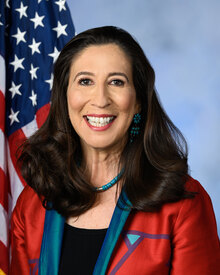
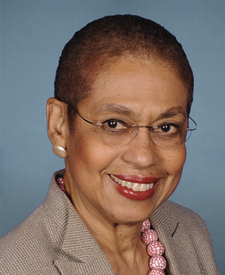
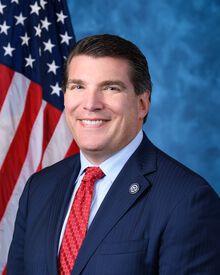
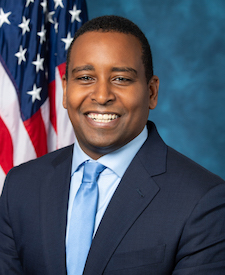
Legislative Progress
In CommitteeMs. Leger Fernandez (for herself, Ms. Stansbury, Mr. Ruiz, Mr. …
Referred to the Committee on Energy and Commerce, and in …
Introduced in House
Stakeholder Effects
cui bono?How this legislation distributes effects. Mention counts reflect frequency, not effect magnitude.
American Indian Medicare beneficiaries, Indian health programs, Urban Indian organizations
Bill Structure & Actor Mappings
Who is "The Secretary" in each section?
We use a combination of our own taxonomy and classification in addition to large language models to assess meaning and potential beneficiaries. High confidence means strong textual evidence. Always verify with the original bill text.
Learn more about our methodology