Uyghur Policy Act of 2025
Summary
What This Bill Does
The Uyghur Policy Act of 2025 sets a detailed U.S. policy program for Uyghurs and other ethnic and religious minorities in the Xinjiang Uyghur Autonomous Region. It includes findings on PRC repression of Uyghur Islamic, Turkic, cultural, religious, and linguistic identity; arbitrary detention; torture; forced sterilization; transnational harassment; and genocide and crimes-against-humanity determinations. It states that China should open Xinjiang to press, international organizations, U.N. human-rights officials, academics, researchers, and foreign delegations, release named prisoners such as Ekper Asat, Dr. Gulshan Abbas, and Kamile Wayit, and stop crackdowns and transnational repression.
Who Benefits and How
Uyghur communities in Xinjiang, Uyghur Americans, Uyghur exile communities in Turkey, Albania, Germany, Central Asia, and Europe, named political prisoners, Uyghur human-rights advocates, Radio Free Asia's Uyghur Service, independent media covering Xinjiang, the Office of the U.N. High Commissioner for Human Rights, Muslim-majority partner countries, Foreign Service officers posted to China, language-training providers, and U.S. diplomats benefit from a statutory mandate for contact, advocacy funding, public diplomacy, reporting mechanisms, language training, and U.N. action.
Who Bears the Burden and How
The PRC government, Xinjiang authorities, officials responsible for detention facilities and political reeducation camps, PRC transnational-repression networks, the State Department, the Bureau of Educational and Cultural Affairs, the Foreign Service Institute, U.S. Mission to the United Nations staff, and federal agencies assisting implementation must respond to diplomatic pressure, public-diplomacy grants, annual reports, strategy development, coordination with like-minded partners, Uyghur language training, U.N. votes, and the no-additional-funds constraint.
Key Provisions
- Directs the State Department to prioritize policies, programs, travel, leader contact, prisoner-release coordination, congressional consultation, federal aid, and anti-transnational-repression work on Uyghur issues.
- Authorizes $250,000 for each of fiscal years 2025 through 2027 for Uyghur human-rights advocates to conduct public diplomacy in Muslim-majority and OIC forums.
- Requires a strategy and report to pressure China to close detention facilities, allow outside access, and protect Uyghur religious and cultural identity.
- Requires Uyghur language training and annual Foreign Service Institute reports on assigning Uyghur-speaking personnel to diplomatic or consular posts in China.
- Directs U.S. influence at the United Nations to oppose blocking Xinjiang human-rights consideration, support Uyghur advocates' participation, and back a special rapporteur or working group.
- Provides that implementation must use otherwise authorized funds, with no additional funds authorized.
Evidence Chain:
This summary is generated from the full bill text using AI analysis. Expand "Detailed Analysis" below for identified beneficiaries/burden bearers with clause-level evidence links.
At a Glance
What This Bill Does
Directs the State Department to prioritize Uyghur human rights and identity preservation, fund public diplomacy by Uyghur advocates, train Foreign Service officers in Uyghur, pressure China to close Xinjiang detention facilities, counter transnational repression, and use U.S. influence at the United Nations to support Uyghur participation and monitoring.
Key Policy Areas
Human Rights, Foreign Affairs, China
Primary Purpose
Directs the State Department to prioritize Uyghur human rights and identity preservation, fund public diplomacy by Uyghur advocates, train Foreign Service officers in Uyghur, pressure China to close Xinjiang detention facilities, counter transnational repression, and use U.S. influence at the United Nations to support Uyghur participation and monitoring.
Policy Domains
Substantive provisions
Identified Gains
- Uyghur communities in Xinjiang
- Uyghur Americans
- Uyghur exile communities
- Named political prisoners
- Uyghur human-rights advocates
- Radio Free Asia Uyghur Service
- Independent media covering Xinjiang
- Office of the U.N. High Commissioner for Human Rights
- Foreign Service officers posted to China
Identified Costs
- PRC government
- Xinjiang authorities
- Officials responsible for detention facilities
- PRC transnational-repression networks
- State Department
- Bureau of Educational and Cultural Affairs
- Foreign Service Institute
- U.S. Mission to the United Nations staff
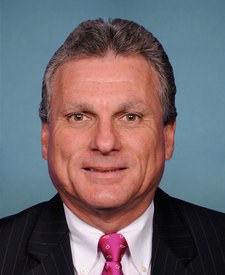
Sponsors
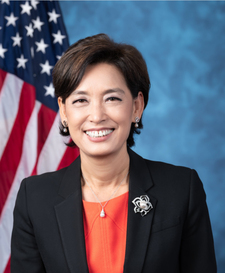
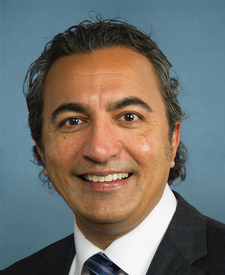
Legislative Progress
Passed HouseReceived in the Senate and Read twice and referred to …
Motion to reconsider laid on the table Agreed to without …
On motion to suspend the rules and pass the bill …
Passed/agreed to in House: On motion to suspend the rules …
DEBATE - The House proceeded with forty minutes of debate …
Considered under suspension of the rules. (consideration: CR H3738-3740)
Mr. Baumgartner moved to suspend the rules and pass the …
Ordered to be Reported by Voice Vote.
Committee Consideration and Mark-up Session Held
Mrs. Kim (for herself, Mr. Bera, and Mr. Meeks) introduced …
Stakeholder Effects
cui bono?How this legislation distributes effects. Mention counts reflect frequency, not effect magnitude.
Office of the U.N. High Commissioner for Human Rights, Organisation of Islamic Cooperation audiences, PRC government
Positive-direction: Office of the U.N. High Commissioner for Human Rights, Organisation of Islamic Cooperation audiences
Negative-direction: PRC government
Bureau of Educational and Cultural Affairs, Foreign Service Institute, Foreign Service officers posted to China
Positive-direction: Foreign Service officers posted to China
Negative-direction: Bureau of Educational and Cultural Affairs, Foreign Service Institute, State Department, State Department implementation offices, U.S. Mission to the United Nations
International human-rights monitors, Uyghur human-rights advocates
Uyghur Americans facing transnational repression, Uyghur detainees, Uyghur exile communities
Bill Structure & Actor Mappings
Who is "The Secretary" in each section?
- "prc"
- → People's Republic of China
- "xuar"
- → Xinjiang Uyghur Autonomous Region
- "secretary"
- → Secretary of State
We use a combination of our own taxonomy and classification in addition to large language models to assess meaning and potential beneficiaries. High confidence means strong textual evidence. Always verify with the original bill text.
Learn more about our methodology