Federal Firearm Licensee Act
Summary
What This Bill Does
The Federal Firearm Licensee Act is a broad update to the federal dealer regulatory system. It adds definitions for marketplace facilitators, occasional transactions, personal collections, business inventory firearms, frames, receivers, variants, and semiautomatic shotguns. It repeals obsolete Brady language, requires firearm dealer applicants to submit premises security plans, adds renewal conditions based on suspension, revocation, inspection, and approved security plans, requires annual licensee certification of physical security compliance, requires licensed dealers to reconcile resale inventory and report missing firearms, and directs Attorney General security regulations for locked cabinets, safes, alarms, video monitoring, strong locks, site hardening, bollards, and other anti-theft controls. It clarifies that licensees may keep personal collections but must dispose of firearms from business inventory, requires quarterly inventory checks and lost, stolen, or unaccounted-for firearm reporting, removes appropriations riders limiting ATF inventory records, and adds electronic record treatment. It also addresses multiple firearm sale records, safety devices and buyer warnings, inspections, license issuance and renewal, removal of relief for indicted dealers, penalties for transfers without background checks, unlawful acts after disability or license suspension, facilitator regulation for online or commercial marketplaces, dealer and employee background checks, liability standards, civil enforcement, ATF industry operations hiring, implementation reports, annual dealer inspection reports, and final regulations within two years.
Who Benefits and How
Gun trafficking investigators benefit from stronger inventory records, missing-firearm reporting, multiple-sale data, electronic records, and ATF inspection authority. Communities affected by gun violence benefit if dealer security, inventory reconciliation, and facilitator rules reduce diversion of firearms to criminal markets. ATF industry operations investigators benefit from clearer enforcement tools and authority to hire additional investigators. Firearm purchasers benefit from safety devices, warnings, and more consistent dealer background-check compliance. Public safety researchers benefit if Tiahrt-style limits are narrowed and annual inspection reports provide better data. Local law enforcement agencies benefit from reports of lost, stolen, or unaccounted-for dealer inventory.
Who Bears the Burden and How
Federal firearms licensees must submit security plans, certify compliance, reconcile inventory, report missing firearms, keep records, and comply with new physical security regulations. Licensed firearm dealers face civil penalties, suspension, renewal denial, inspections, multiple-sale reporting, safety-device duties, and stricter transfer rules. Online firearm marketplace facilitators must audit transactions or face treatment as regulated facilitators of firearm transfers. ATF administrators must issue regulations, inspect licensees, manage electronic records, hire investigators, enforce civil penalties, and report to Congress. Firearm business employees must undergo background checks under the new dealer and employee provisions. Dealers indicted or subject to federal disability, suspension, revocation, or denied renewal face reduced relief and additional unlawful-act exposure.
Key Provisions
- Adds definitions for firearm marketplace facilitators, occasional transactions, personal collections, business inventory firearms, frames, receivers, and semiautomatic shotguns.
- Requires dealer security plans, annual physical security certifications, quarterly inventory checks, missing-firearm reports, and Attorney General anti-theft regulations.
- Requires electronic records, multiple-firearm sale records, safety devices, purchaser warnings, stronger inspections, and tighter license issuance or renewal standards.
- Regulates facilitators of firearm transfers, requires dealer employee background checks, increases penalties for transfers without background checks, and authorizes civil enforcement.
- Authorizes additional ATF industry operations investigators, implementation reports, annual dealer inspection reports, and final regulations within two years.
Evidence Chain:
This summary is generated from the full bill text using AI analysis. Expand "Detailed Analysis" below for identified beneficiaries/burden bearers with clause-level evidence links.
At a Glance
What This Bill Does
Modernizes federal firearm licensee regulation by defining marketplace facilitators and firearm inventory terms, requiring dealer security plans, annual certification, quarterly inventory checks, electronic records, multiple-sale reports, safety devices and warnings, stronger ATF inspection and licensing authority, facilitator regulation, employee background checks, civil enforcement, additional ATF investigators, implementation reports, and final regulations within two years.
Key Policy Areas
Firearms, Public Safety, Law Enforcement
Primary Purpose
Modernizes federal firearm licensee regulation by defining marketplace facilitators and firearm inventory terms, requiring dealer security plans, annual certification, quarterly inventory checks, electronic records, multiple-sale reports, safety devices and warnings, stronger ATF inspection and licensing authority, facilitator regulation, employee background checks, civil enforcement, additional ATF investigators, implementation reports, and final regulations within two years.
Policy Domains
Resolution provisions
Identified Gains
- Gun trafficking investigators
- Communities affected by gun violence
- ATF industry operations investigators
- Firearm purchasers
- Public safety researchers
- Local law enforcement agencies
Identified Costs
- Federal firearms licensees
- Licensed firearm dealers
- Online firearm marketplace facilitators
- ATF administrators
- Firearm business employees
- Indicted firearm dealers
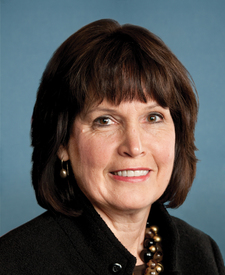
Sponsors




Legislative Progress
In CommitteeMs. Kelly of Illinois (for herself, Mr. Amo, Ms. Ansari, …
Referred to the House Committee on the Judiciary.
Introduced in House
Stakeholder Effects
cui bono?How this legislation distributes effects. Mention counts reflect frequency, not effect magnitude.
Communities affected by gun violence, Gun trafficking investigators
Bill Structure & Actor Mappings
Who is "The Secretary" in each section?
We use a combination of our own taxonomy and classification in addition to large language models to assess meaning and potential beneficiaries. High confidence means strong textual evidence. Always verify with the original bill text.
Learn more about our methodology